
Navigating Leash Laws and Socialization Opportunities in the City
Dog socialization in urban settings is vital for pet owners who wish to ensure their dogs behave well in a bustling environment. Cities often present unique challenges, including crowded streets and a myriad of other dogs and people. To foster proper socialization, owners should understand local leash laws, which may vary significantly from one jurisdiction to another. Following laws not only keeps dogs safe but also helps avoid legal repercussions. Owners should also grasp the importance of controlled introductions to new environments, as poorly managed interactions can lead to fearful or aggressive behavior. Explore pet-friendly parks and designated dog areas where dogs can interact with others. Utilize socialization classes, which are beneficial for meeting other dog owners and fostering positive experiences. Owners might consider attending public events featuring dog-friendly activities. Such opportunities allow dogs to learn appropriate behaviors and respond positively to social stimuli. Additionally, establishing a routine that includes walks in different neighborhoods can expose dogs to varied surroundings, enhancing their adaptability. With thoughtful management, urban socialization can help develop well-balanced, friendly, and confident dogs in all settings.
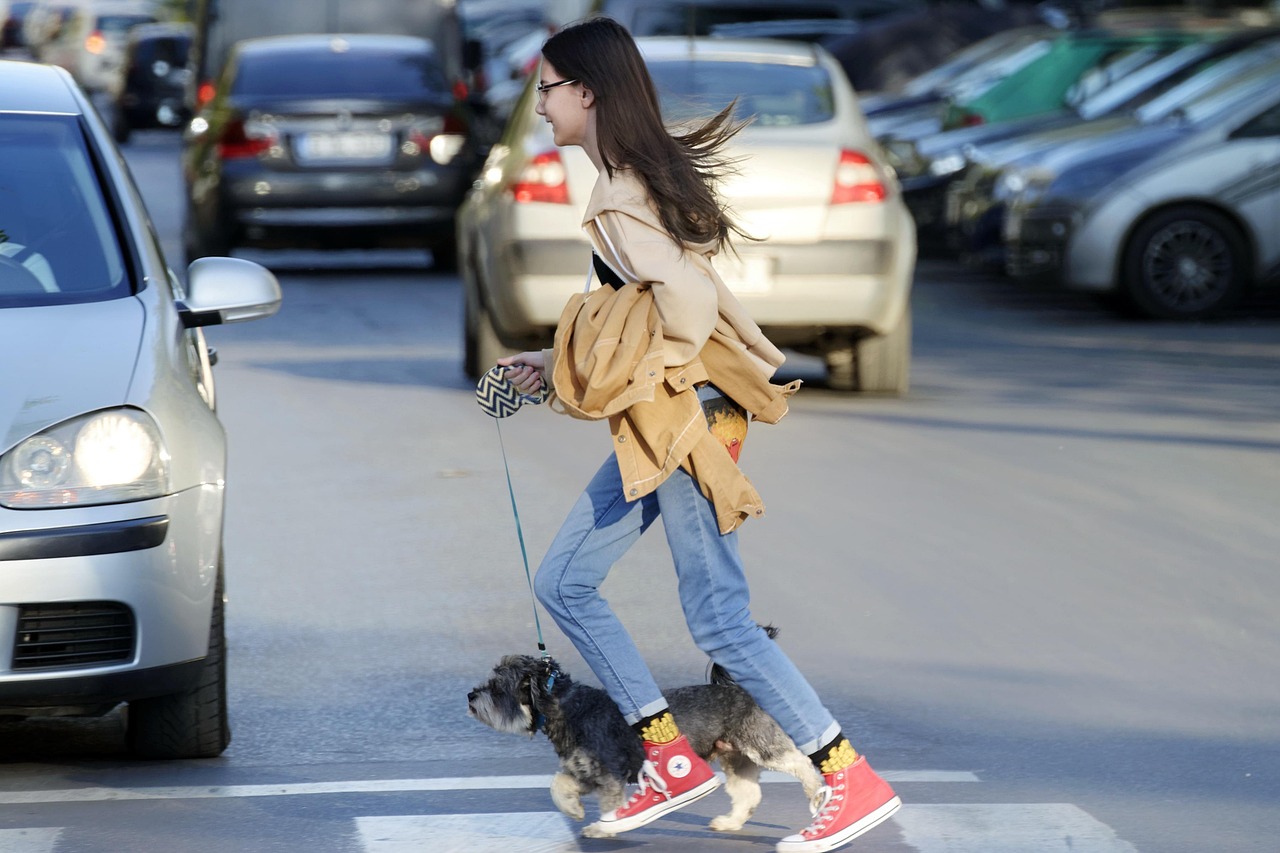
Understanding leash laws is essential for all urban dog owners. Some cities enforce strict regulations regarding leash lengths, and violations can result in fines. Certain areas may also have leash-free zones, specifically designated for exercise and socialization. Knowing where and when dogs can roam freely is crucial for compliance and safety. Owners should consult city ordinances or local pet organizations for accurate information. It’s also vital to respect the comfort levels of other park-goers when bringing dogs off-leash. Not everyone may feel secure around dogs, leading to possible conflict. Utilizing a leash keeps both the dog and the public safe in unpredictable situations. Additionally, urban socialization often includes navigating crowded spaces, such as sidewalks or markets. A well-trained dog should remain calm and focused amidst distractions. Socialization classes can be helpful for refining these skills, allowing dogs to practice under guidance. Gradual exposure to various environments will help dogs behave appropriately in diverse circumstances. When owners are proactive about these aspects, they not only comply with rules but also facilitate meaningful experiences for their pets.
Dog Parks and Playdates
Dog parks serve as fantastic venues for boosting socialization, especially in urban areas where space may be limited. These designated spaces encourage positive interactions between dogs, helping them learn to play and engage with one another safely. However, dog owners must remain vigilant while in these parks. Observe dogs’ behavior during interactions, ensuring that all play remains friendly. Some parks even have designated areas for small or shy dogs, allowing for a more comfortable experience. Planning regular meet-ups with other dog owners can also enhance a dog’s social skills. Drive-away playdates can teach them to interact with other pets outside familiar settings. Prioritize safety by arranging these encounters with known, vaccinated dogs to minimize risks. Additionally, be mindful of leash laws when traveling to a dog park, ensuring that dogs stay leashed in surrounding areas until they reach designated off-leash zones. Visiting various parks can expose dogs to different play styles and personalities. Keeping outings frequent prevents behavioral issues that may arise from lack of exercise or social interaction, creating well-adjusted dogs that thrive in urban environments.
Another aspect of urban dog socialization involves public transportation, allowing pet owners to navigate the city while exercising and socializing their dogs. Many cities have specific regulations for transporting dogs on public transport. Familiarize yourself with these rules to prevent misunderstandings. Some systems require muzzles, while others restrict access during peak hours. Introducing dogs to public transport at an early age can heighten their confidence and adaptability. Start by taking short trips to gradually acclimate dogs to the sounds and movements of trains or buses. Both dogs and owners benefit from the experience as they encounter various people, sights, and smells. Visiting local dog-friendly cafes or shops can extend the opportunities for social interaction. Choose locations that welcome pets, offering communal spaces for dogs to interact under controlled settings. Observing the social dynamics of your dog amongst humans and other animals promotes vital behavioral growth. Throughout this acclimation process, reinforce calm behavior with treats and praise. This positive reinforcement aids in creating pleasant associations with crowded environments. People-culture can enhance dogs’ social abilities while simultaneously fostering a sense of confidence.
Events and Community Engagement
Many urban areas host dog-focused events such as festivals, charity runs, or educational workshops. These activities provide excellent chances for dog owners to socialize their pets while enjoying the community atmosphere. Furthermore, engaging in local events can create invaluable experiences for both dogs and their owners. Create a calendar of upcoming events in your area, as these gatherings often feature dog-friendly amenities, vendors, and activities. Participating in these events can also help owners connect with like-minded individuals, forming a support system for their canine experiences. Community engagement can cultivate friendships among pets and people alike. Don’t shy away from showcasing your dog’s unique personality at costume contests or fun obstacle courses. These activities encourage positive behaviors as dogs engage with one another. Additionally, many local shelters promote adoption events, encouraging interactions and support for the community. Joining local training clubs or obedience groups can further enhance skills and provide structured experiences, ensuring socialization remains positive and enjoyable. Dogs greatly benefit from attending events, learning to interact with diverse groups and varying stimuli, creating well-rounded environments for urban living.
Incorporating regular socialization into a dog’s routine greatly contributes to their well-being and happiness. Pet owners should create a plan that includes visits to various dog-friendly locales, ensuring exposure to different environments and experiences. Maintain consistent interactions with other dogs and people to reinforce positive behaviors. Enrichment activities such as agility courses or scent work can also encourage dogs to socialize while stimulating their minds. Exploring new neighborhoods can offer fresh experiences and challenges. Taking dogs to farmers’ markets and outdoor events exposes them to bustling crowds, which helps them adapt to busy environments. Engage any potential anxiety by focusing on positive reinforcement during these outings. Keep training sessions short, frequent, and fun. Additionally, ensure that dogs have opportunities for downtime between social activities to avoid excessive stimulation. Balance is key to fostering good behavior and satisfaction. By including various types of socialization in their lives, dogs can become more flexible and adaptable to city life. The more exposure they receive, the better equipped they are to respond positively in any given situation, thus improving their overall mindset.
Staying informed about local leash laws and socialization opportunities can elevate the overall experience for urban dog owners. Create a checklist to ensure all local regulations are followed, ranging from leash types to designated dog-walking areas. Connect with fellow dog owners to share tips on the best parks and socialization practices they’ve discovered. Regularly check for community events that might offer social opportunities or workshops to enhance training. Utilizing resources such as social media groups or community websites can keep you updated. Joining local organizations can also provide access to training classes and socialization events specifically tailored for urban dogs. Continued learning and engagement will further enrich the bond between owner and pet. Through informed choices, you can enhance your dog’s socialization process while complying with leash regulations. Ultimately, a focused approach leads to a happy, well-adjusted dog able to navigate urban settings comfortably. By investing time in socialization, you equip your dog with skills needed for a balanced life in the city. Remember, ongoing interaction encourages lifelong habits that contribute to a loving and well-mannered companion.