
Skin Tumors in Dogs: What Every Owner Should Know
Skin tumors in dogs can be a significant concern for pet owners. These masses might range from benign growths to malignant tumors, requiring careful evaluation. It’s crucial to be observant of any changes in your dog’s skin, such as new lumps or unusual growths. Regular check-ups with your veterinarian can help identify issues early. Some skin tumors are linked to genetic factors, while others may develop due to environmental exposures. Common types include mast cell tumors, lipomas, and melanoma. Each type presents distinct characteristics and treatment options. Proper identification is essential for effective management and care. Monitoring your dog’s skin regularly can lead to early detection of skin tumors. Early intervention often results in better outcomes. If you notice any concerning signs, such as itching, bleeding, or changes in appetite, contact your veterinarian immediately. Keeping track of your dog’s health and any observed changes will help facilitate a diagnosis. Understanding skin tumors is critical. Aim to educate yourself about potential warning signs. This awareness will empower you as a responsible dog owner, ensuring your pet leads a happy and healthy life.
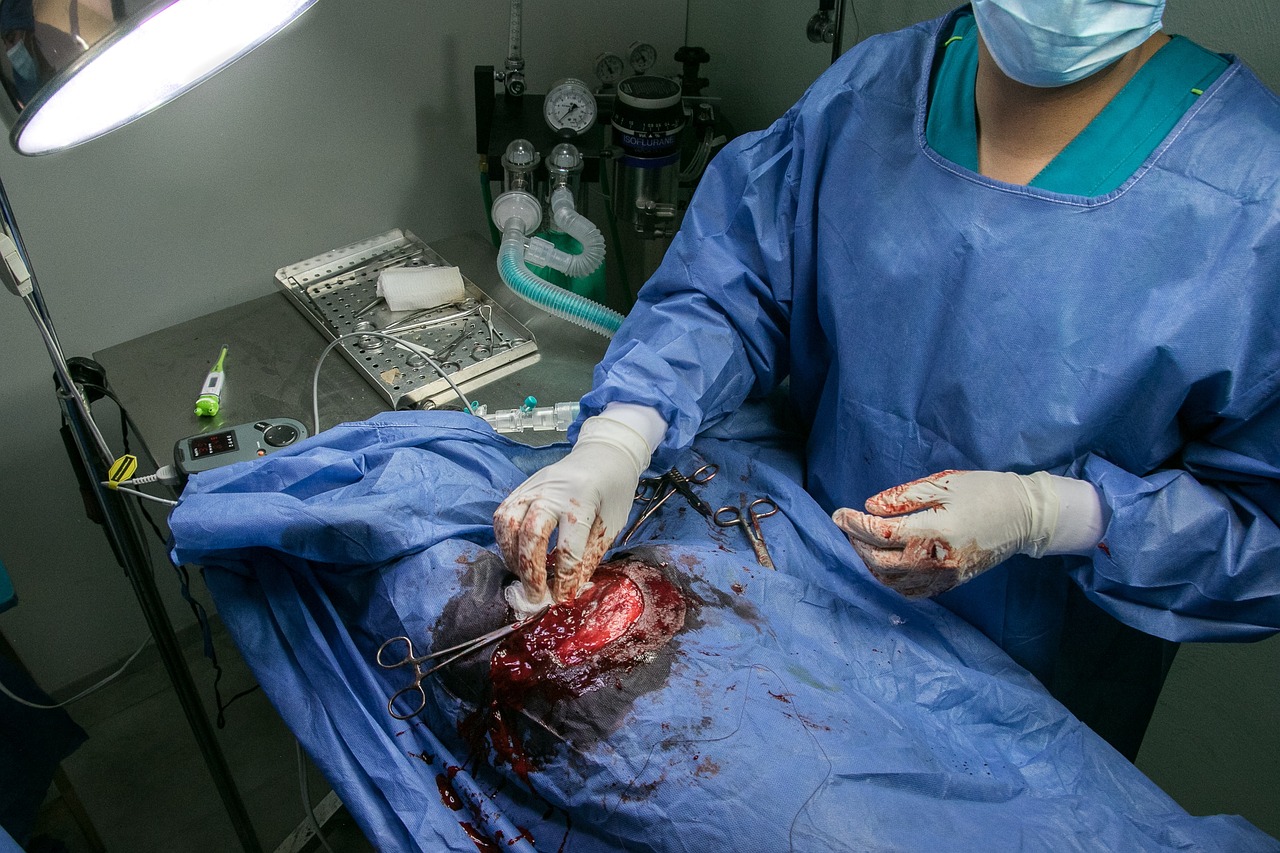
Different skin tumors exhibit various behaviors and degrees of seriousness. For instance, a mast cell tumor might present aggressively and require immediate intervention, whereas a lipoma often grows slowly and is typically benign. A thorough examination by a veterinarian will often include imaging or possible biopsy to determine the nature of the tumor. All tumors should be approached with caution; not every lump is a simple case. This information is crucial for any dog owner, as it clarifies the importance of seeking professional advice. When a tumor is diagnosed, treatment options may vary based on the type and stage. Surgical removal may be necessary for malignant tumors and can often increase a dog’s life expectancy vastly. In some instances, additional therapies like radiation or chemotherapy might be recommended, particularly for more aggressive types of tumors. Each case is unique, thus a personalized treatment plan is essential. Additionally, pet owners must remain vigilant and actively participate in the dog’s recovery process, as a dog’s environment can influence healing. Knowledge and awareness are power – stay informed about your pet’s health.
Signs to Look For
Identifying skin tumors early can make a significant difference in outcomes. Look for key warning signs, including newly developed lumps that don’t seem to go away. Pay attention to unusual skin changes, such as color alterations that appear discolored or irritated. Other symptoms may include excessive scratching, licking, or signs of discomfort when touched in the affected area. Monitoring your dog’s behavior and habits provides valuable insight. Additionally, unexplained changes in appetite or energy levels can be indicators of more serious health concerns. When these signs arise, initiating a consultation with your veterinarian is crucial. Preparing for this visit ensures the veterinarian can provide thorough care. Bring a detailed record of any changes you’ve noticed, as this will help in diagnosis. Knowledgeable owners can offer essential information that may aid in proper assessment and treatment. Remember, timely intervention significantly enhances the treatment success rate. Regular self-exams and veterinary visits are key. Keeping a close eye on your pet’s skin helps promote a proactive approach to health. Always trust your instincts; if something seems off, don’t hesitate to reach out for help.
The outcome of treatment can largely depend on the tumor type and the overall health of the dog. Benign tumors like lipomas typically have a favorable prognosis and can often be removed surgically with minimal complications. Conversely, malignant tumors such as mast cell tumors may present a more complex treatment path, often requiring multiple procedures or therapies. Understanding the treatment options available can help pet owners make informed decisions. Treatment plans are often a collaborative effort between the veterinarian and the pet owner, ensuring that each is satisfied with the chosen course of action. Recommendations based on the latest research and clinical findings also play a vital role. Discussing any potential side effects and recovery protocols with your veterinarian prepares you for the journey ahead. It’s essential to remain engaged and supportive throughout the treatment process, as every dog responds differently. Companionship and care during rehabilitation help restore their spirit. Always remain open to follow-up appointments to monitor the dog’s recovery process. Providing a comfortable environment at home can ease any stress during this period. Both emotional and physical support are paramount during your pet’s healing.
Prevention and Care
While not all tumors can be prevented, there are steps owners can take to minimize risks. One of the most effective preventive measures is routine veterinary care, including regular wellness checks and vaccinations. These appointments provide opportunities for early detection, making treatment easier. Additionally, maintaining a balanced diet plays a significant role in your dog’s overall health. A weakened immune system makes dogs more susceptible to various health issues, including skin tumors. Providing high-quality nutrition can bolster their defenses. Regular exercise contributes positively to their well-being and can help prevent obesity-related problems, which may exacerbate health issues. Another aspect to consider is avoiding excessive exposure to harmful chemicals and pollutants in the environment. Minimizing chemical exposure through careful product choices can reduce potential risks. Grooming also serves a dual purpose: it allows for close observation of the skin while keeping your dog’s coat healthy. Use proper tools and techniques during grooming sessions, as this can make a difference in early detection. Proper grooming can also help reduce irritants that might lead to skin issues. Pet owners should continually strive to create a safe, nurturing environment for their beloved companions.
Always remembering the emotional component of a dog’s health is essential. Owners must remain aware of their pet’s stress levels and emotional well-being. A peaceful and calm environment contributes significantly to a dog’s recovery and overall health. Engaging in regular playtime, affection, and mental stimulation can strengthen the bond between pet and owner. Positive interactions enhance the dog’s quality of life and create a supportive atmosphere. Furthermore, involving the family in care routines emphasizes the importance of teamwork in animal care. Education throughout the household about skin tumors aids in maintaining vigilance. When everyone is informed, there is a better chance of spotting issues quickly. Share knowledge about the warning signs and regular check-up reminders with your household. Caring for a dog is a shared responsibility that extends beyond the primary owner. Encouraging kids to help with grooming and monitoring the dog’s behavior can prompt interest and support in dog care. Such collaborative actions foster a sense of community and understanding around a dog’s well-being. Always stay informed about their health – being a proactive owner is key to a happier, healthier dog.
Conclusion
In conclusion, understanding skin tumors in dogs requires a blend of vigilance, knowledge, and proactive care. Pet owners play a critical role in the early detection and management of these conditions. Paying close attention to changes in your dog’s skin and overall behavior ensures timely interventions and supports a comprehensive treatment approach. Regular veterinary visits serve as a foundation for assessing your dog’s health, emphasizing the importance of preventive care. Being aware of common signs and potential risks empowers owners to take urgent action when necessary. Remember that not all lumps are cancerous, but every lump as a potential concern should be examined professionally. A strong partnership with your veterinarian is your best ally in maintaining your dog’s health. With proper care, many dogs simply thrive, continuing to live joyful lives. Share this information with fellow pet owners, as creating awareness in the community promotes responsible pet ownership. Adopting a proactive stance can significantly improve outcomes. Ensure to enjoy the time spent with your dog, fostering a fulfilling relationship built on love and health.
For more information on skin health in dogs, please consult your veterinarian or refer to reliable resources.