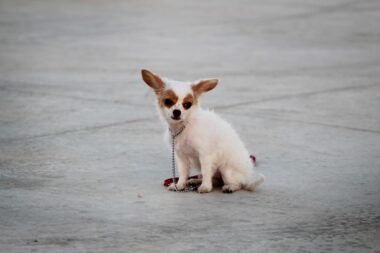

Socializing Puppies in Urban Settings: Challenges and Solutions
Socializing puppies in urban environments can present a unique set of challenges. Urban areas are often bustling with commotion, which may overwhelm young dogs. For many first-time puppy owners, the concept of socialization involves exposing their pets to various stimuli. This includes people, traffic, sounds, and other animals. However, it is crucial to appreciate that too much social stimulation may lead to anxiety and fear. Puppies thrive in environments where they can gradually acclimate to their surroundings. Frequent exposure can help them develop confidence, but the approach must be balanced to prevent stress. Engaging in positive reinforcement training methods can facilitate socialization, helping puppies associate new experiences with positive outcomes. By utilizing treats and praise when they encounter unfamiliar situations, dogs can learn to navigate their urban environments. Owners should also network with other pet owners to create safe opportunities for play and interaction. A combination of controlled exposure, social playdates, and obedience training will significantly improve a puppy’s adaptability and comfort levels in urban settings. This balanced approach can help establish healthy behavior patterns and reduce potential issues later in life. Furthermore, early experiences greatly influence a dog’s future demeanor.
Understanding Urban Challenges
Urban settings are filled with varying distractions that can affect a puppy’s socialization. One major challenge is the sheer volume of noise and unfamiliar sounds present in city life. Honking horns, conversations, and construction work can overwhelm sensitive pups. Socialization in these environments requires helping them feel secure amidst the chaos. Taking short walks at quieter times of day can be beneficial as it allows the puppy to observe their environment gradually. Gold-standard methods for introducing them to sounds involve controlled exposure from a distance, using headphones or car rides to buffer noise. Furthermore, socializing with different people is essential in urban areas. Exposure to diverse individuals helps puppies understand and accept various lifestyles and appearances. Each person should approach the puppy calmly to reinforce positive interactions. Careful exposure helps to prevent fear-based reactions as they get older. Moreover, urban living frequently means navigating leashes and sidewalks, which can be daunting for puppies. Training sessions that focus on leash manners and recall can make outdoor experiences more enjoyable for both the puppy and owner. By addressing these socialization challenges systematically, we set the stage for well-rounded adult dogs.
Because of the unique aspects of urban living, puppy owners may feel anxious regarding socialization. The mental stimulation a puppy receives in a city setting can be far more pronounced than in rural areas. Introducing a puppy to busy environments requires careful planning and a clear socialization strategy. New pet owners should consider attending local puppy classes, which provide opportunities for controlled socialization. Trained professionals can guide scenarios that mimic urban challenges while ensuring safety and positive reinforcement. Local parks can also be wonderful places to practice socialization, allowing interaction with other dogs. Owners should always observe the puppy’s behavior, allowing them to grow comfortable at their own pace. Gradual exposure is critical, so ensuring the puppy feels secure is essential. Hosting playdates with known and calm dogs is another avenue to promote positive experiences. Consistent positive outcomes help achieve successful socialization, which is crucial for reducing anxiety in urban settings later in life. Utilizing all available resources is key, whether it’s attending organized classes or arranging small-group meet-ups. Such proactive involvement supports a puppy’s growth, confidence, and overall well-being as they adapt to their urban environment.
Positive Reinforcement Techniques
The best way to ensure successful socialization in urban settings is to utilize positive reinforcement techniques. This method helps build a puppy’s confidence and eagerness to interact positively with their environment. Positive reinforcement focuses on rewarding desired behaviors, which could be treats, praise, or toys. When a puppy encounters an unfamiliar person, the owner can reward inquisitive behavior while offering a reassuring presence. This builds trust and reduces the likelihood of fear or aggression. Moreover, incorporating short training sessions during walks can reinforce good behavior, especially in bustling areas. By establishing a rewarding atmosphere, puppies will begin to associate new experiences with positive emotions. Additionally, it is important to monitor the puppy’s body language. Knowing when they are feeling overwhelmed is vital; signs like tail-tucking or low posture indicate they may need a break. An even mixture of exposure to bustling streets and quieter neighborhoods enables balanced socialization opportunities. As owners gain more experience, they can gradually raise the difficulty level of their socialization scenarios, ensuring progress. This method can foster well-adjusted adult dogs, capable of handling the complexities of urban life while remaining calm in diverse surroundings.
Furthermore, socialization efforts can significantly benefit from using group walks or training classes. Collaborating with a trainer enhances the social-learning environment. Group classes facilitate interaction not just with other puppies, but also with different owners sharing insights about urban living. The camaraderie within these groups may help alleviate some of the stress pet owners experience regarding proper training techniques. Each owner is likely to share valuable information, enabling the class to pool its collective knowledge for well-rounded development. As classes navigate through exercises, puppies also expose themselves to various distractions without feeling isolated. Within this controlled environment, they learn essential commands, which are vital for navigating urban challenges. Group settings forge connections with their pawed peers while receiving immediate feedback from their owners. It is crucial to ensure the puppy is enjoying the process, creating an association between training and positive experiences. If anxiety is apparent, it may be wise to assess the class’s size or environment further. Ultimately, proper socialization bridges the gap between puppyhood traumas, setting the groundwork for happy, confident dogs.
Integration into Urban Lifestyle
As puppies grow accustomed to urban socialization, it becomes imperative to integrate them into daily city life. Routine experiences influence a dog’s adaptability to unfamiliar situations throughout their life. Regular trips to busy areas, such as shopping districts or busy streets, can provide key socialization opportunities. Puppies should consistently be exposed to varied surfaces, from grass to concrete, as this distinction helps them adjust to their surroundings. Owners can integrate novel experiences, like public transportation or outdoor cafes, into their puppy’s routine. Incorporating outings within realistic urban settings promotes confidence. While out, it is essential to maintain a calm demeanor, as puppies can sense their owner’s anxiety. When they act confidently, the puppy mirrors that behavior, resulting in reduced anxiety. Additionally, establishing a consistent routine can foster a sense of security in puppies. Time spent together in urban settings helps facilitate bonding, ultimately benefiting overall relationship dynamics. Each small excursion provides growth opportunities, supporting exposure to diverse environments. Careful and thoughtful integration into the urban lifestyle builds a puppy’s confidence over time and prepares them to navigate their surroundings successfully.
As socialization progresses, it is vital to remain patient and consistent. A strong foundation allows puppies to grow into well-adjusted adults, essential in urban environments. Understanding that socialization is an ongoing process is critical. Puppies may encounter various challenges during their socialization journey, which can sometimes be frustrating for their owners. However, maintaining a positive attitude will yield the best results. Through effective use of socialization techniques and proper training, obstacles can be transformed into valuable opportunities for growth. Supportive online communities and local training workshops can provide additional resources to assist owners. Engaging with others who share similar experiences amplifies learning. Continuous education about canine behavior also enhances understanding, allowing owners to recognize individual needs. If issues persist, consulting a veterinary behaviorist can provide valuable insights into tackling specific fears or anxieties that disrupt socialization efforts. Ultimately, successful urban puppy socialization involves a commitment to balance comfort and challenges. By providing supportive environments and experiences, pet owners can cultivate resilient and happy dogs, capable of adapting seamlessly to bustling urban life.
In conclusion, effective socialization of puppies within urban settings is a journey filled with excitement and challenges. Puppies thrive when owners take the time to understand their unique needs and adapt their socialization strategies to urban life. By promoting gradual, positive exposure to various elements of city life, owners can set a course for successful behavior patterns in adulthood. It is essential to approach each interaction with kindness, patience, and positivity. Increasing each puppy’s exposure to sounds, sights, and experiences ensures they grow confidently, well-adjusted in bustling environments. Collaborating with trainers and other pet owners fosters a supportive community that aids the process. While the early stages of socialization are critical, ongoing support and training will further enhance a puppy’s journey into adulthood. A mindful approach allows pet owners to ease fears and anxieties effectively while transforming challenges into opportunities. By continuing to incorporate urban experiences into their routines, puppies can learn to thrive regardless of their surroundings. This ultimately leads to happier and healthier adult dogs. Therefore, embracing the socialization journey makes it possible for every puppy to navigate their world with confidence and assurance.