
Step-by-Step Guide to Using Restraints Safely on Dogs
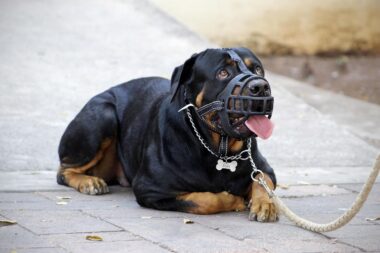
Restraints and muzzles serve essential roles in ensuring safety during first aid situations for dogs. These tools help prevent bites and injuries to both the canine and its handlers. Knowing how to use these properly is crucial. Begin by selecting a muzzle that fits the dog comfortably and securely. Measure the dog’s snout accurately, ensuring that some space exists for breathing. Look for options that are easy to put on and take off to reduce stress. When using a restraint, such as a leash or harness, choose one suited for the dog’s size. Attach it firmly without restricting movement. If a dog is distressed, speak gently to reassure it. A calm environment helps significantly in these situations. Puppies or dogs not used to muzzles may require gradual exposure. Initially, allow the dog to sniff and explore the muzzle; reward them often. Gradual exposure minimizes anxiety and helps dogs associate muzzles with positive experiences. Always supervise the dog while wearing a muzzle, ensuring it can still breathe, drink, and pant. This ensures their comfort, contributing to a smoother first aid process.
When dealing with an injured dog, safety is paramount. Ensure your safety first, as frightened dogs may bite even if they are usually friendly. Using a muzzle as a first step is crucial to prevent injury. Select the appropriate muzzle type, considering the injury and behavior. For instance, you may opt for a basket muzzle that allows the dog to breathe easily while preventing biting. Keep in mind that each dog responds differently to muzzling. Before applying the muzzle, give the dog time to calm down. Use calm, soft tones to soothe your pet, reducing their anxiety. Gently approach the dog, identifying any signs of aggression or fear. Take precautions to keep hands and feet safe from erratic movements. Apply the muzzle slowly, ensuring it fits snugly but comfortably. Observe signs of discomfort, like excessive drooling or vocalization, and adjust accordingly. After securing the muzzle, check if the dog can still drink water. If they cannot, consider alternative ways to keep them hydrated throughout the first aid process. Giving a dog time to adjust to wearing a muzzle helps ensure a successful experience during emergencies.
Practical Tips for Using Muzzles and Restraints
Combining restraints and muzzles with first aid techniques can provide effective solutions in emergencies. When approaching an injured dog, consider your safety. Use a leash to control the dog’s movements while allowing space for comfort. Ensure you have control of the situation by keeping the dog in a familiar space where it feels secure. Always assess the dog’s temperament; if unsure, use a muzzle to add an additional layer of safety. If the dog displays aggression or fear, give it space. Gradual introduction is critical for effective restraint use; ideally, your dog will be accustomed to wearing a muzzle from past experiences. Prior to an emergency, consider practicing the application of restraints on the dog during routine activities. Offer treats while applying the equipment to create positive associations. When using a restraint, position the dog properly. Depending on the injury, it may be best to have the dog lying down, sitting, or standing. This all greatly influences how you apply restraints. Use methods that stabilize the injured area, ensuring minimal movement while assessing injuries or administering basic first aid.
Upon securing a muzzle and restraint, continue with your assessment of the dog’s condition. This includes checking for visible injuries, bleeding, or signs of distress. If the dog appears calm, proceed to address specific needs. If they show any signs of pain, consider adjusting your approach. Once you have ensured the dog’s safety with appropriate equipment, always work quickly but carefully. Calmly examine areas around any injuries, being cautious. Use gentle pressure and take notes about what you observe, as information will be helpful to vet professionals. If possible, recruit assistance from another person to help stabilize the dog while you work. This ensures greater control and reduces stress for all involved. Avoid excessive handling which can exacerbate anxiety; focus on communicating with the dog regularly. While administering first aid, leverage the restraint to help stabilize the dog’s body. If an injury is severe, transport the dog without delay to a veterinarian. It’s essential to remain aware of the dog’s behavior during transport, adjusting equipment as necessary to keep them as comfortable as possible.
Best Practices for Using Muzzles
Familiarizing your dog with a muzzle is vital for first aid situations, making the process smoother for both dog and handler. Start by allowing the dog to interact with the muzzle in a positive manner. Encourage curiosity by leaving it near their bedding or toys. Offer treats when they show interest in it. Techniques like these enhance the likelihood of successful muzzle application during emergencies. Choose a muzzle design that suits the dog’s breed. For example, basket muzzles provide ample room for dogs to pant and drink. It’s essential to ensure that the muzzle is comfortable and not overly constrictive. When first introducing the muzzle, allow them to wear it in small bursts, gradually increasing the duration. Ensure that the dog remains calm and rewarded throughout. If the dog resists or tries to remove the muzzle, distract them with toys or treats. Understand that patience and consistency are key here. This practice helps dogs show less fear or anxiety, making them more amenable to wearing the muzzle during real emergencies. A well-adjusted dog can significantly enhance safety during stressful situations.
Lastly, understanding when to use a restraint or muzzle is crucial for accidental injuries or emergencies. If a dog is in a vulnerable position, utilize these tools effectively to help control the situation. If the dog shows signs of stress, talking to them gently and reassuringly helps alleviate some distress associated with the equipment. Muzzles should never be left on for extended durations, especially if the dog is not monitored. Keep in mind that the health and safety of the dog should always take priority. Always ensure that applying the muzzle does not restrict the dog’s ability to breathe comfortably. Additionally, involve your dog in training sessions where they can learn to associate the gear with positive experiences. This practice not only promotes safety but enhances the bond between you and your pet. After applying muzzles or restraints, continually check for signs of discomfort or external injuries. Always create a plan for quick exposure to emergency assistance, as this contributes to the overall effectiveness of first aid for your dog. Taking proactive measures yet assuring comfort during these practices fosters a safer environment.
Conclusion and Resources
Using muzzles and restraints on dogs is essential during first aid situations while ensuring the safety of pets and handlers. Proficiency with these tools can prevent further injury and enable effective treatment. Familiarize your dog with the processes in advance, creating positive associations. Evidence of past use shows that dogs accustomed to muzzle application respond better during emergencies. Engaging in training sessions promotes adaptation without excessive stress. For additional guidance, consider reputable resources on dog behavior and safety practices. Websites such as the AKC offer articles and further training tips. Additionally, working with professional trainers can enhance your knowledge and skills, thus allowing you to respond effectively in emergencies. Join local training classes to gain hands-on experience and learn different methods for restraint. Furthermore, consulting with veterinarians can provide tailored advice for your pet. By combining knowledge, practical exposure, and compassion, you contribute to a supportive caregiving environment for the dog. Being well-prepared can turn a challenging situation into a manageable one, when it matters the most.
Remember, the key is always to maintain control over the environment while ensuring proper use of muzzles and restraints, thus maximizing safety throughout the first aid process. Each dog is unique, and being attentive to their needs will help facilitate a calm and efficient response. In emergencies involving dogs, having trained professionals on standby is invaluable. Setting up a plan ensures speedy assistance when required. As owners, we carry the responsibility to create experiences that foster safety and promote confidence in our dogs. Consider sharing your experiences or insights with fellow dog owners to cultivate a community based on shared knowledge. Encourage others to engage in positive reinforcement training and to familiarize their dogs with handling practices. Remember to document any first aid experiences, noting areas of improvement while learning how to better handle any future incidents. This serves a dual purpose of reinforcing personal growth and shared learning. Knowledge? Seek product recommendations or training resources tailored to specific breeds for optimal safety. By adopting a proactive approach, you enhance not just your pet’s safety but also the trust between you and your dog.