
The Truth About Cats’ Hunting Instincts in Domestic Settings
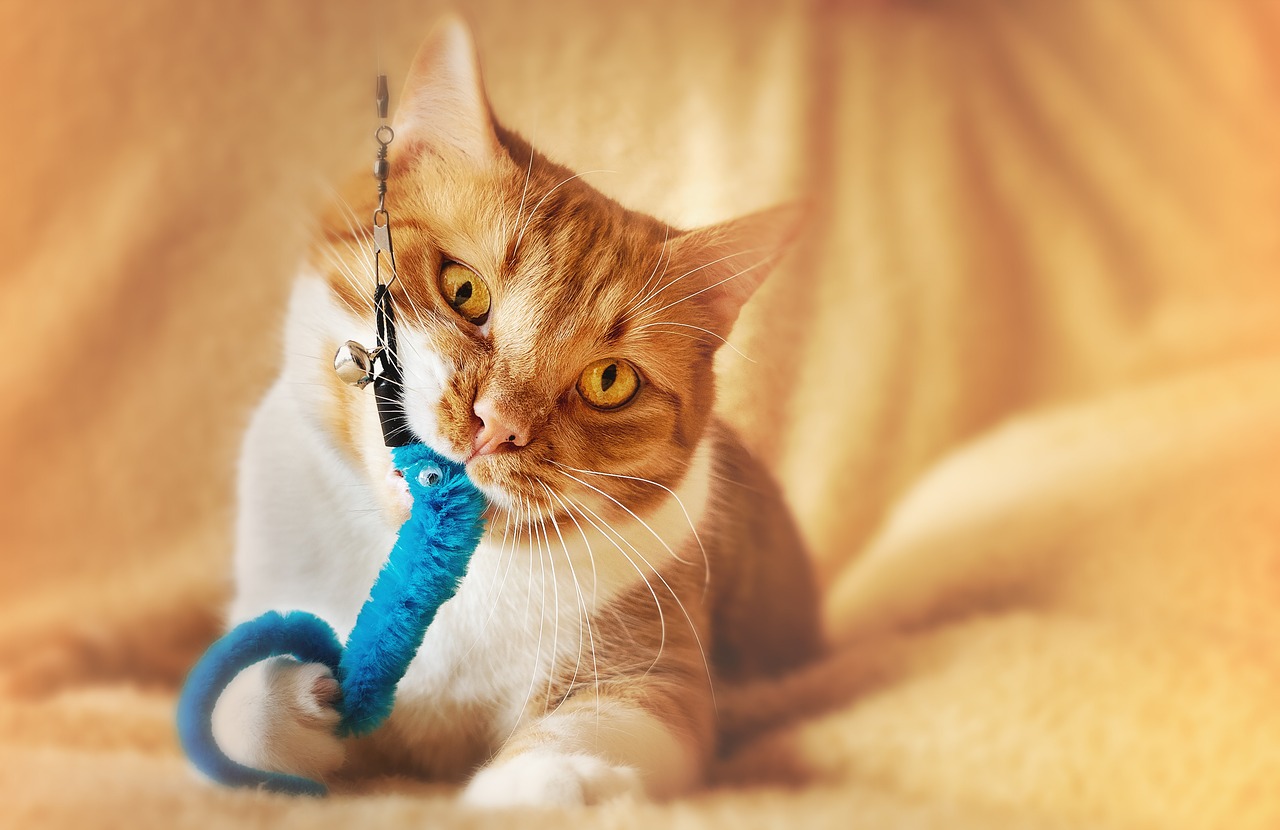
Many people believe that domestic cats have completely subdued their hunting instincts over time due to domestication. However, this is a significant misconception. While they may not hunt for survival, these instincts are deeply embedded. Cats are natural hunters, and their behavior reflects this deeply rooted trait. The playful pouncing at a feather toy is not just play; it’s a reenactment of hunting behavior. The need to stalk and ambush is a part of their survival skills, even in a home environment. Observations show that cats exhibit hunting behaviors, often engaging in stalking and pouncing on unsuspecting toys. You may notice your pet bringing ‘gifts,’ like a toy mouse or a caught insect, as a display of their intrinsic instincts. Understanding their hunting instincts is crucial for cat owners to provide appropriate stimulation for their pets. Enriching their environment with engaging activities will help fulfill these needs. This understanding forms the basis of creating fulfilling lives for our feline friends, allowing their natural behaviors to flourish within the domestic setting, rather than suppressing them.
Moreover, misconceptions often extend to the perception that cats only hunt out of hunger. Cats have developed complex behavior patterns, and their hunting instincts are triggered by more than just the need for food. Even well-fed cats will hunt and engage in stalking behaviors, well into adulthood. This is often because hunting serves several purposes beyond just nourishment. Engaging in such behaviors is also a fun and stimulating activity for cats, allowing them to exercise and explore their surroundings. Interactions with various objects, like laser pointers or interactive toys, can often satisfy these instincts effectively. Understanding that cats enjoy this type of play can help owners create more enriching environments. Providing hunt-themed toys can challenge them mentally while allowing them to express these inherent instincts. It is essential to offer varied types of interaction to keep them both physically and mentally active. Owners can invest in puzzle feeders and other engaging play structures. Acknowledging these behavioral patterns leads to a deeper bond between owners and their cats, ultimately nurturing the pet’s well-being in the process.
In households with multiple cats, competition may emerge regarding hunting-like behaviors. This situation is often misinterpreted as aggression or hostility. In reality, this behavior often stems from natural instincts and interactions. Cats, by nature, are solitary hunters, so when they live together, they might feel the urge to compete for resources, including toys. This instinctual reflex triggers various behaviors, from play-fighting to silent stalking. Recognizing these hunting behaviors allows owners to alleviate potential issues. Providing multiple toys, perch points, and stimulus in an environment can help reduce competition, fostering collaboration over rivalry. It’s beneficial to supply areas where they can hide or retreat to, especially if one is feeling threatened. This arrangement can support a happier and healthier environment as each cat navigates its instinctual behaviors. Using shared resources effectively can lead to increased harmony and peace. Also, it can promote more positive interactions, which can be translated into vital social skills between the cats. Thus, understanding both competitive and cooperative dynamics is essential in multi-cat households.
The Importance of Environment for Hunting Behavior
A stimulating environment plays a critical role in how well cats can express their hunting instincts. Cats thrive in settings that encourage exploration and engagement. A well-designed cat tree or shelves can promote climbing, jumping, and stalking behaviors, which are innate. Owners should aim to create vertical space that allows for safe exploration while providing vantage points from which they can survey their territory. Window perches can be particularly beneficial, as they help cats engage in natural hunting behaviors while observing bird or insect activity outside. These types of setups allow cats to interact with their surroundings without needing to journey far. The benefits extend beyond simple exercise; such activities improve mental well-being, reducing anxiety or boredom. Moreover, enriching environments can counteract destructive behaviors, as they channel energy into something constructive. Owners should consider incorporating peeking holes, interactive toys, and hiding spots into their spaces. This engagement nurtures the hunting instincts, keeping cats physically fit, mentally stimulated, and ensuring a high quality of life, even within domesticated conditions.
Additionally, understanding a cat’s natural rhythms can optimize how you can incorporate playtime into their daily routines. Cats are crepuscular, meaning they are most active during twilight hours, typically dawn and dusk. Scheduling play sessions during these peak times can capitalize on their natural hunting instincts. Interactive play during these hours can simulate hunting experiences, stimulating both minds and bodies. Owners can use feathers, string toys, or laser pointers to entice cats into active play, further engaging their instincts. This approach not only enhances their physical fitness but also provides them with a sense of satisfaction and accomplishment. The rewards of this engagement can deepen the bond between cat and owner, fostering communication and understanding. There’s more to interaction than meets the eye; it fosters essential emotional connections. Understanding such rhythms is vital to creating an environment that supports well-being. By aligning your playing times with these natural tendencies, owners can meet their cats’ natural needs while enjoying precious moments of companionship.
Finally, addressing the potential negative impact of repressed hunting instincts is crucial. Cats that lack adequate opportunities for expressing their natural behaviors can display signs of stress or unwanted behavior. This may manifest in excessive meowing, destructive tendencies, or inappropriate elimination. It’s essential for cat owners to recognize these signals as cries for help. Providing alternatives, such as scratching posts, toys that mimic prey, or puzzle feeders, will help redirect their energy positively. These creative outlets enable expression without causing distress. Regular interaction can encourage a cat to engage with their environment positively, reflecting their innate hunting abilities constructively. It’s worth investing time understanding and observing individual preferences. Each cat has unique tastes in how they prefer to play or hunt, and tailoring experiences accordingly can lead to a fulfilling life. Observing these behaviors can also promote correct training techniques, ensuring that negative behaviors are minimized. Active engagement with their instincts shows care, which can ultimately contribute to long-term happiness and health, completing a fulfilling cycle of positive reinforcement and well-being.
The Need for Continuous Learning and Adaptation
Lastly, recognizing that cats’ behavior is not static is fundamental. As environments change or even as the cat ages, their needs may evolve, requiring continuous adaptation from the owners. Regularly reassessing environmental stimuli, play patterns, and even dietary needs can ensure that they remain engaged and fulfilled. It is important to remain patient and vigilant; adjustments may need to be made based on observed behaviors or changed interests. Sometimes, a particular toy may lose its charm, and introducing new elements may rekindle their interest. Viewing this as an ongoing journey can cultivate a deeper understanding of your cat. This means consistently educating oneself on best practices for feline enrichment, including new toys or techniques. Online resources, local vet recommendations, or even workshops can be fantastic avenues for learning more. The commitment to fostering a hypothesis-driven approach to cat care can result in more fulfilling relationships. Therefore, investing time and effort into understanding fluctuations in behavior and preferences is necessary for fostering a rewarding experience for both the cat and its owner.
Exploring common misconceptions about cat behaviors can enhance your understanding and connection with these fascinating creatures. They may appear indifferent at times, but cats require substantial engagement to thrive. The combination of their playful instincts and need for interaction forms the foundation of a healthy, happy cat life. Encouraging the expression of hunting instincts can drive fundamental health benefits, ensuring that your feline friend lives a fulfilling life, optimally balancing their inherent behaviors within your home.


