
Capturing Cat Breathing and Whisker Movement Up Close
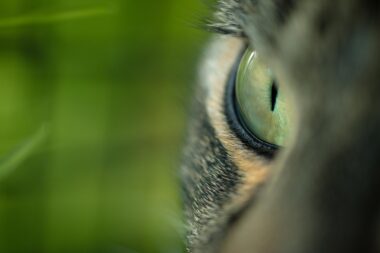
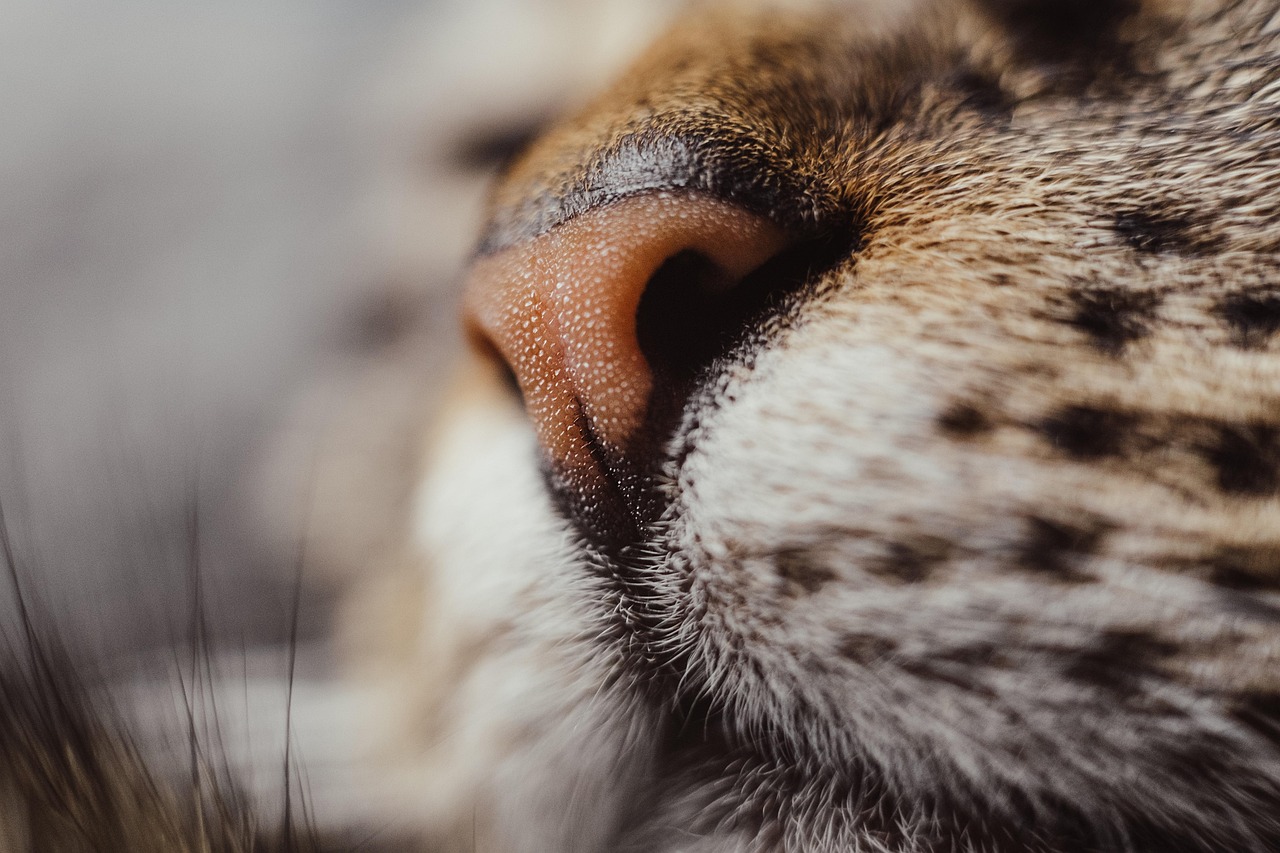
In the world of cat photography, macro photography offers a unique angle to appreciate our feline friends. Capturing the subtle nuances of a cat’s breathing and whisker movement can enhance your portfolio significantly. With a macro lens, you can closely observe the delicate movements of a cat’s whiskers, which are crucial for their spatial awareness. To get the best results, use a DSLR or mirrorless camera paired with a macro lens to allow for intricate detail. Lighting plays an essential role in macro photography. Soft, diffused light is ideal for highlighting the softness of fur and the fine details of whiskers. Natural light through a window or a softbox can help achieve this effect. Remember to focus on the eyes as they convey emotions beautifully. Smooth, gradual movements will help minimize disturbances. Getting low to the ground will provide a more intimate perspective, showcasing the cat’s personality and actions. Be patient and ready to click the shutter at the right moment, as cats can be unpredictable in their movements.
Utilizing specific techniques can elevate your macro photography experience. One such technique is to take a series of shots while slightly adjusting your focus each time. This is known as focus stacking, and it can help achieve sharpness throughout the image, especially for features like whiskers. It’s important to maintain a shallow depth of field to blur the background. This approach ensures that all attention focuses on the whiskers and breathing movements. Use a tripod for added stability and to reduce camera shake, especially vital for macro photography where even the slightest movement can blur important details. Additionally, consider using a remote shutter release or the camera’s timer function to avoid jostling the camera. This method ensures that you maintain precision in your shots. Experiment with different angles, such as side profiles or head-on shots, to capture various expressions and postures of the cat. You might even find playful whisker movements during playtime fascinating. Being attentive will enhance your ability to capture these moments effectively.
Understanding Cat Behaviour and Movement
Knowledge of feline behaviour significantly aids in cat photography. Understanding how cats breathe reveals a lot about their emotional state. When relaxed, breathing is smooth and slow, while rapid, shallow breaths may indicate stress or excitement. Observing this helps you anticipate movements, thus preparing for that perfect shot. Cats’ whiskers also demystify their sensory world. They use their whiskers to gauge distances and navigate tight spaces. Focusing on whisker movement can reveal fascinating interactions with their surroundings. Patience is essential, as capturing these moments is a waiting game. Offering treats or engaging toys can also encourage desired movements, allowing you to capture those subtle reactions. You’ll gain valuable insights when you observe your cat’s primary habits during everyday activities. Additionally, consider using assorted props and different environments to create stimulating backdrops for your photos. Adjusting your setup can yield striking visual contrasts. Lighting can also drastically affect the mood; consider early mornings or golden hour for softer shadows. Eventually, documenting their personality through these intimate connections will enrich your photography experience.
Editing your photographs after capturing them is equally important in macro photography. Using editing software, you can enhance the details that may be lost during shooting. Adjustments to exposure and contrast can bring out the whiskers’ fine textures against the cat’s fur. Consider cropping images to emphasize the breathing motions or to draw attention to specific features you wish to highlight. Pay special attention to white balance to reflect the true colors of the cat and maintain a natural look in your images. It’s crucial to strike a balance between enhancing details and preserving the essence of the cat’s character. Avoid over-editing, which can lead to unnatural results. Share your work on social media platforms to connect with other cat enthusiasts and photographers, gaining feedback on your techniques and compositions. Engaging with the community can be inspiring, as you exchange ideas and learn from others’ experiences. It creates an opportunity for development and improvement in your methods. Don’t shy away from asking for critiques on your compositions; constructive feedback can provide new insights into your artistry.
Choosing the Right Equipment and Settings
The right equipment plays a crucial role in successful macro photography. Invest in a good macro lens that provides excellent closure, ideally one with a 1:1 magnification ratio. Such lenses allow for capturing intricate details of whiskers and breathing patterns. Additionally, image stabilization features in a lens will greatly benefit handheld shooting. A high-quality camera body can also make a significant difference; look for models that perform well in low light to prevent noise in high ISO settings. Settings should be adjusted accordingly, with an aperture around f/8 to f/11 to achieve a sharp focus on whiskers. Utilizing manual focus enables you to be precise about what you want to capture. Ensure you have plenty of battery life and memory card space, as lively cats will keep you clicking away. A diffuser can help create soft, natural lighting around your subject. Also, consider using reflectors to highlight features, drawing attention to their breath movements. Remember to engage with their behaviour for authentic moments that tell a captivating story through your lens.
It’s essential to consider the environment and background in macro photography. A cluttered background can detract from the subject, making it important to choose locations that complement your cat’s natural beauty. Clean surfaces or natural settings, like a soft rug or grass, work well to create a pleasant contrast. Soft focus backgrounds will keep the attention on your subject, while also enhancing the mood of the photograph. Experimenting with natural environments can lead to captivating compositions; consider shooting outdoors where the hues of nature provide a vibrant backdrop. Pay attention to the colors around your cat, ensuring that they do not blend in too much. Using complementary colors can help your subject stand out. Shadows can add a dramatic effect, especially when showcased in the right context. Positioning your cat near flowers or foliage can also yield striking results as their whisker movements interact with the environment. A little thought in composing your setting will elevate the quality of your shots, allowing those intimate moments of cats to truly shine through in your work.
Showcasing Your Cat Macro Photography
After capturing stunning macro shots of your feline friends, showcasing your work is the next important step. Create an online portfolio dedicated to your macro photography of cats. Consider using platforms like WordPress or Squarespace for a professional presentation. Presenting your photos publicly can attract potential clients and opportunities for collaboration within the pet photography niche. Participating in local events or exhibitions can also increase visibility. Furthermore, leveraging social media platforms like Instagram is essential. Create a themed profile focusing solely on cat photography. Use appropriate hashtags to reach a wider audience interested in similar content. Sharing tips and experiences can also engage followers and foster a community around your passion. Consider offering print purchases for interested viewers; many people cherish art featuring their pets. Building a strong online presence will not only help showcase your work but also establish your unique style and voice within the photography community. Continually learning and experimenting with techniques will keep your work fresh and captivating. Remember to have fun while sharing your love for cats through your macro photography.
In conclusion, mastering macro photography of cats brings a rewarding experience to photographers. Capturing the subtle intricacies of whiskers and breathing not only creates beautiful visuals but also allows you to connect more deeply with your pet. Understanding feline behaviours enriches your artistic approach, leading to more meaningful and authentic photographs. Technical proficiency combined with an understanding of your subject allows for stunning captures that tell a story. Always create a comfortable and stress-free environment for the cat during photo sessions. This ensures genuine moments and helps to showcase their individual personalities. Whether you’re a beginner or an experienced photographer, keep experimenting and refining your skills to discover your personal style. The joy of capturing these moments transcends the art itself, offering a deeper appreciation for your feline companion. Remember, each cat has its unique quirks that can produce extraordinary photography moments. Lastly, sharing your work with the community builds camaraderie among fellow enthusiasts and can lead to further inspirations. Embrace the journey of cat photography, and continue to explore, learn, and grow in this fascinating realm of macro photography.