
Editing Tips to Enhance Outdoor Dog Photos
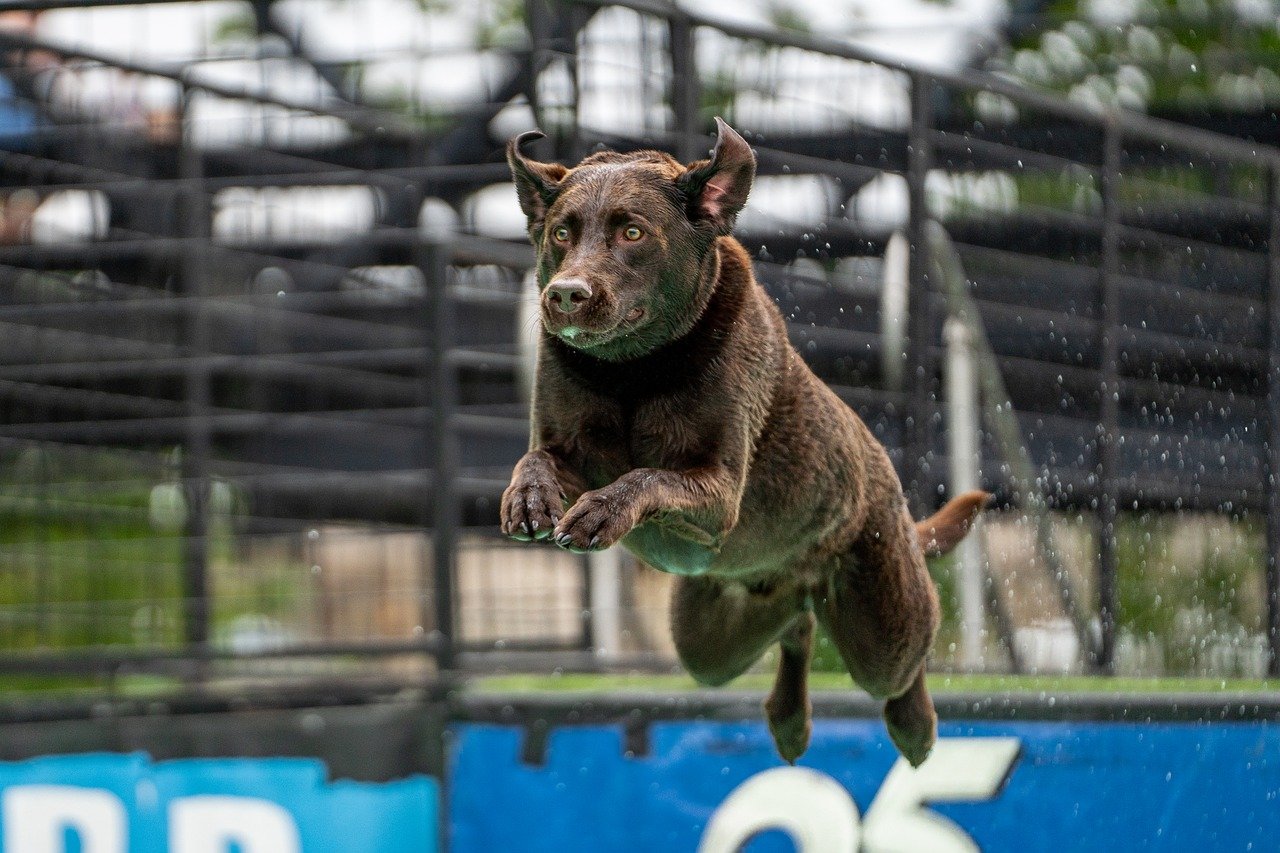
Editing outdoor dog photos requires a careful approach to truly bring out the subject’s personality. Start by adjusting the exposure; outdoor lighting can often lead to overexposed highlights. You can utilize tools like Adobe Lightroom or Photoshop to correct the brightness and create a warming, inviting look. Also, consider adjusting the contrast for clarity. Adding a bit of contrast can make your dog’s fur look rich and vibrant. Another vital step is to work on the color balance to emphasize natural tones. In most cases, you might find that the vibrant greens and blues can be enhanced to draw attention. Don’t forget to crop the photo to achieve that perfect composition. Depending on the scene, a tighter crop can isolate your dog against a beautiful background. This method diverts focus from distractions in the scenery. Lastly, consider sharpening your image slightly to make the details stand out. Sharp features like expressions and eyes can significantly enhance the emotional impact of your images. Utilizing these tips can dramatically improve your outdoor dog photography.
Another key aspect of editing outdoor dog photos involves post-process sharpening techniques. This will enhance key details and texture in your dog’s fur, making your photos stunning. Image editing software typically allows for fine-tuning sharpening. Focus on areas that define your dog, such as the eyes and ears. Take caution not to over-sharpen, as it can introduce unwanted artifacts. Ensure you’re viewing your images at 100% zoom when sharpening. The choice of sharpening tool can significantly affect the outcomes. In both Photoshop and Lightroom, using the ‘Structure’ slider could provide a sharper edge without compromising image quality. Experiment with different settings until you find what resonates best with your dog’s unique fur. Additionally, taking time to utilize selective sharpening techniques can make certain areas pop without affecting the entire image. Taking the time to correct minor blemishes, such as dirt or grass stains, can enhance the professionalism of your photos. Searching for unwanted distractions is crucial and can be easily achieved through the cropping tool and healing brush function.
Applying Filters and Presets
Incorporating filters can dramatically improve the overall aesthetics of outdoor dog photos. Filters or presets can give your images a consistent and polished look. Many photographers utilize Lightroom presets to quickly apply their style to a photo. There are plenty of free presets available online tailored specifically for pet photography. Such presets can enhance colors, add depth, and create lasting impressions. However, while filters can create adjustments, moderation is critical. Overusing filters could lead to unnatural-looking photos that may not do justice to the imagery. It’s essential to apply them lightly. Another technique is the use of gradient filters to direct the viewer’s eye towards your dog. Use these selectively to help guide focus in your outdoor settings. Often, emphasizing background blur while keeping the subject crisp will draw viewers in. It’s also a good idea to play with vignette settings. A subtle vignette can help to yield a frame-like effect, focusing attention on your dog while adding depth to the overall composition.
Consider using creative color grading when editing outdoor dog photographs. Color grading can offer a unique look that sets your work apart and adds a touch of artistry to your images. You can achieve this by manipulating shadows, midtones, and highlights independently. Doing so can create a warm glow effect during sunset shots or enhance the cool tones in bright light. Think about using a color wheel to adjust hues minimally while keeping a natural look. In addition, explore the tonal curve feature for fine-tuning and adding depth and dimension, particularly in fur details. Remember that while creativity is essential, the primary focus should still be on portraying the beauty of your dog. Maintaining an authentic appearance is vital even when experimenting with artistic edits. The balance between artistic flair and natural beauty should always be your editing compass’s guide. Frequent practice in color grading can transform your photos over time, showcasing your skills as a proficient pet photographer.
Preparing for Final Touches
Once your edits are complete, prepare for final touches to enhance your outdoor dog photos further. First, ensure that the image is cropped correctly to maintain the focus on your dog. Use the rule-of-thirds grid to find the perfect positioning for your dog within the frame. You might want to adjust brightness and contrast one last time to ensure everything looks balanced. Another important step involves verifying the white balance. Ensure your dog’s colors are as true to life as possible; indoor and outdoor shots can differ dramatically in this aspect. You can also consider converting some of your best outdoor dog pictures to black and white, focusing on texture and contrast that will captivate your audience. This can sometimes evoke a strong emotional response. Additionally, retouching is a vital layer of enhancement; small blemishes or distractions can easily be removed to present a cleaner image. After everything is finalized, don’t forget to save multiple versions of the photo in different formats to ensure quality preservation.
Another impactful way to enhance your outdoor dog photography involves knowing when to use natural light effectively. Dusk and dawn hours, known as the golden hours, provide beautiful lighting that depicts vivid colors and soft shadows. These times create ideal conditions for splendid dog portraits. Additionally, using reflectors can redirect sunlight, filling in shadows on your dog’s face, resulting in more captivating images. Often, positioning your dog in the shade can reduce harsh sunlight’s negative impacts. Experimenting with backlighting is also a fantastic technique; capturing your dog against the glowing sun can provide significant silhouette effects. Due to the outdoor nature of the photography, always remain aware of the surroundings. Sometimes, natural backdrops may create distractions, so consider shifting time or orientation. Always ensure your camera settings are ready beforehand, as capturing moments of action requires rapid adjustments. This preparedness instantly translates to better images. Ultimately, understanding how to manipulate light naturally can put your photography on another level when photographing dogs outdoors.
Final Thoughts and Practice
As you wrap up your editing journey for outdoor dog photography, remember that practice is key. Regularly experimenting with these editing techniques will lead to marked improvement over time. Consider taking a workshop or joining a local photographer group focused on pets or outdoor photography for more practical tips. Engaging with others in the field can offer fresh perspectives and inspire new techniques. Also, seek constructive feedback from fellow photographers to continuously refine your skills. Each photograph holds the potential to serve as a learning experience; review your edits and strategize for future sessions. Another crucial element to developing your style involves routine habits. Carve out time for skill-building projects that foster engagement and motivation. Lastly, keep an organized portfolio of your work; this can serve as a helpful tool when reflecting on your development as an outdoor dog photographer. Remember, your goal is to create images showing your dog’s spirit while celebrating outdoor beauty!
Through these edits and tips discussed, individuals can enhance their outdoor dog photography significantly. Utilizing software, understanding composition, and maintaining mindful practices will ultimately help achieve that stunning result we aim for in dog photography.