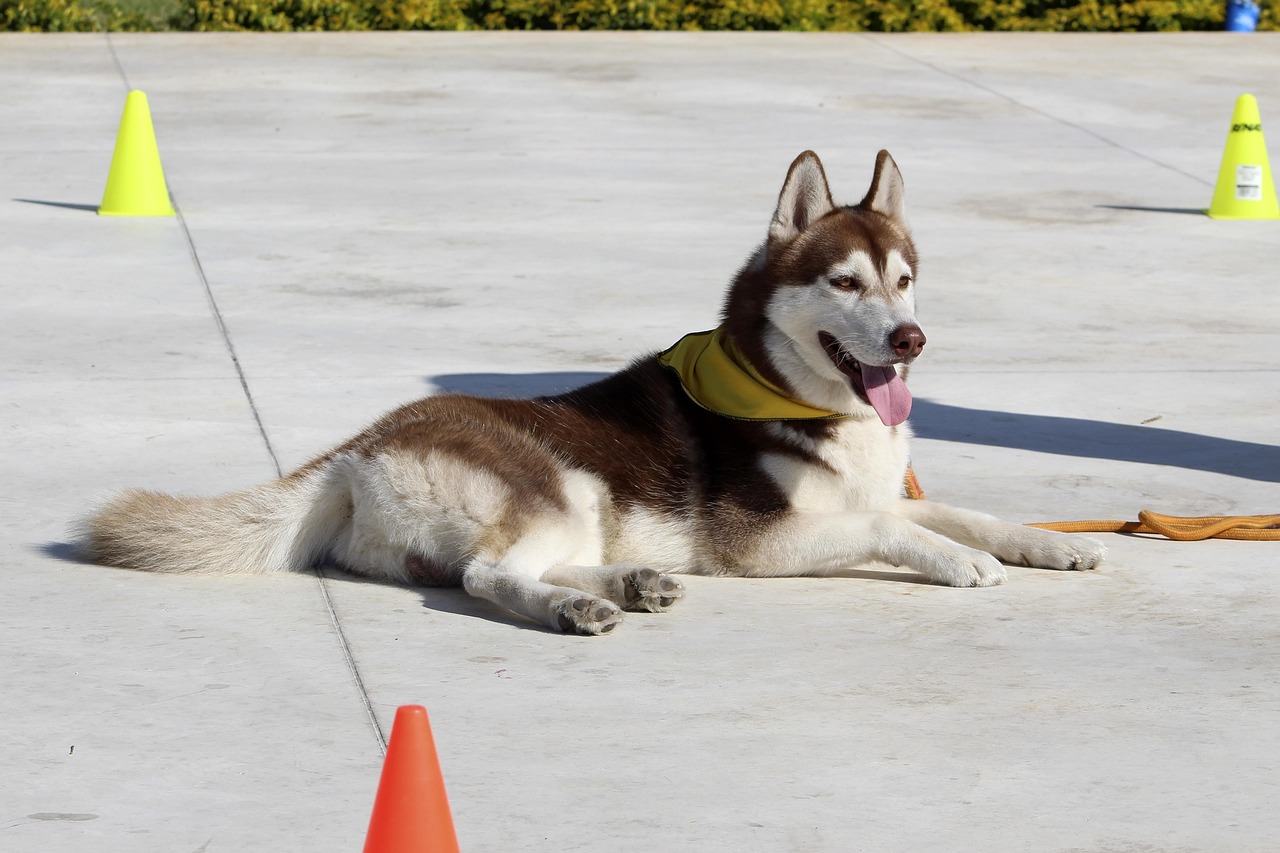

Hands Off Command: Preventing Your Dog from Grabbing Unwanted Items
Teaching your dog the “Hands Off” command is crucial for ensuring their safety and maintaining your household’s order. Dogs, by nature, are curious and often pick up items they shouldn’t. When they snatch something inappropriate, it can jeopardize their health, lead to severe accidents, or create chaos at home. To effectively train your dog on this command, ensure you start in a controlled environment without distractions. Next, establish a reward system to reinforce the behavior. Use treats or toys to reward your dog every time they comply. Consistency plays a pivotal role; practice regularly to help your dog understand what “hands off” means. Begin with low-value items before moving to more enticing objects. This way, your dog will learn gradually without overwhelming them. Initially, you might need to use a leash to prevent them from getting too close to the object they shouldn’t touch. Patience is vital throughout this training process, as every dog learns at a different pace. Gradually increase the difficulty level and challenge them with new items once they master the basics. Enjoy this bonding experience as your dog learns essential boundaries!
Another effective method involves the use of the “leave it” command, which complements the “hands off” command superbly. This dual approach not only teaches your dog to disengage from interest in objects but also reinforces their trust in your authority. Begin training the “leave it” command by holding a treat in your hand and allowing your dog to see it. Once your dog focuses on the treat, close your hand and say “leave it”. Repeat this several times until your dog understands to back away from your hand. When your dog obeys, reward them with a different treat, ensuring positive reinforcement. The aim is to establish the notion that good things come when they choose not to grab certain items. Over time, incorporate this with real-life situations they might face daily. For instance, while on a walk, point out trash or something they shouldn’t touch, employing the established commands. Consistently using these commands will help reinforce the desired behavior. It’s essential to remain calm and composed during the training process to encourage a trusting environment. Ultimately, this will promote your dog’s willingness to listen and engage in training sessions willingly.
Positive Reinforcement Techniques
Employing positive reinforcement in training the “hands off” command ensures a more effective learning experience. Dogs tend to respond better when they associate commands with good feelings and rewards. Firstly, select a few preferred treats that your dog truly enjoys. As you practice the command, whenever your dog refrains from grabbing an item they shouldn’t, reward them right away. This immediate positive reinforcement helps solidify the connection between the command and the behavior you seek. Consistency is critical in both your tone and body language. Ensure your voice is calm yet firm during training sessions, and avoid exhibiting frustration. Such negative experiences can discourage many dogs from learning effectively. Also, consider using toys during training as rewards alongside treats. For some dogs, a favorite squeaky toy may be more beneficial than food. Gradually, as your dog learns self-control, you can phase out treats. Eventually, the praise and joy of the training experience will become a sufficient reward for them. Commitment to this approach will pay dividends, leading to a well-behaved dog eager to follow your commands in various scenarios.
In some instances, dogs may become particularly fixated on certain items, making them challenging to train regarding the “hands off” command. In such situations, increasing the value of the rewards may be essential. Instead of typical rewards, consider using high-value treats such as pieces of cooked chicken or cheese. The more enticing you make the rewards, the more likely your dog will respond positively to your request. Additionally, practice impulse control games like the “Drop It” game to enhance their ability to let go of items. In this game, encourage your dog to pick up a toy and gently exchange it for a treat. Such activities promote willingness to release items on command as they understand that relinquishing an object leads to something more desirable. Furthermore, incorporate training during fun play times to keep the motivation high. Make the commands feel like an extension of their playtime rather than a monotonous task. Over time, with patience and creativity, your dog will learn to adhere to the “hands off” command effectively. The bond you develop while training them will yield a more well-behaved and happy companion.
Creating a Safe Environment
Establishing a safe environment is another vital step in teaching the “hands off” command effectively. The less temptation your dog experiences, the easier training will be. Begin by identifying items or areas in your home that may be particularly problematic. Such items could range from shoes, remote controls, to trash cans that attract your dog’s curiosity. Instead of seeing these items as merely obstacles, view them as cues for training opportunities. By removing the temptation, you will allow your dog to focus better on the training you’re trying to impart. Consider investing in dog-proof containers or storage solutions to keep these items out of reach. This proactive approach reduces the incidence of your dog engaging with items they’re not supposed to. However, bear in mind that accidents will happen; prepare yourself for the possibility of unexpected behavior. When they inevitably occur, calmly redirect your dog back towards the appropriate behavior and reinforce your commands. Practicing in a controlled space will make home safer for both you and your furry friend while reinforcing their training as well.
Regularly incorporating training sessions into your dog’s routine can reinforce the “hands off” command effectively. Short, frequent sessions work better than long, drawn-out ones, which can lead to boredom or frustration. Plan for sessions that last about five to ten minutes each, focusing on a mix of commands to keep your dog engaged while reiterating the key message. Using a consistent command for “hands off” each time you practice helps clarify the lessons learned. You should also be aware of your dog’s behavior when you’re not actively training; consistency even in daily interactions is vital. If your dog engages with something they shouldn’t, reiterate your command and reward them when they comply. Always remember to be patient as dogs may not always respond perfectly right away. Building a weekend or evening training schedule can encourage regular practice, leading to a more thorough understanding of the commands. This ongoing commitment will enhance the bond between you and your dog, making for a happy home where commands are followed, and unwanted grabbing becomes a thing of the past.
Conclusion
In conclusion, mastering the “hands off” command is an essential skill for any dog owner. It not only promotes a safer environment but also encourages positive interactions between you and your furry companion. Throughout this process, remember that patience and consistency are your allies. Each dog is unique and learns differently, which means adapting your training style to suit your pet’s personality. Utilize a mix of commands, positive reinforcement, and safe environments to aid in their understanding. Moreover, include varied rewards to maintain your dog’s interest and motivation. Engage them in interactive and dynamic training routines, and set your sessions in a fun context to encourage learning. Should your dog show persistent stubbornness, don’t hesitate to revert to basic techniques. Above all, celebrate the small victories along the journey as your pet becomes well trained and responsive. A well-behaved dog not only enhances your living experience but also fosters trust and companionship. By following these guidelines, you will create a positive atmosphere to teach your dog invaluable commands, ensuring peace of mind for both of you.
As you embark on this training journey, consistently revisit these techniques to ensure your dog maintains the behaviors learned. Reinforcement through regular practice integrates good behavior into your dog’s everyday life. The value of reinforcing discipline and commands extends beyond the environment, positively impacting social situations and outings. Whether at home, in the park, or visiting friends, the “hands off” command serves as a valuable tool in managing your dog’s actions. Furthermore, always ensure that your dog has adequate outlets for their curiosity and energy. Exploring toys specifically designed for chewing or interacting with their environment can help reduce unproductive behaviors. By giving your dog alternative activities, it decreases their urge to grab unwanted items. Maintaining an active lifestyle with daily exercise can further mitigate impulsive tendencies. Throughout their life, continue to train and adapt commands as your dog’s interests evolve, aiming for an understanding that fosters enduring discipline. In doing so, both you and your dog will gain confidence in the established routines. Continually strive for an environment where your dog feels safe, engaged, and responsive to commands, leading to a fulfilling life together.