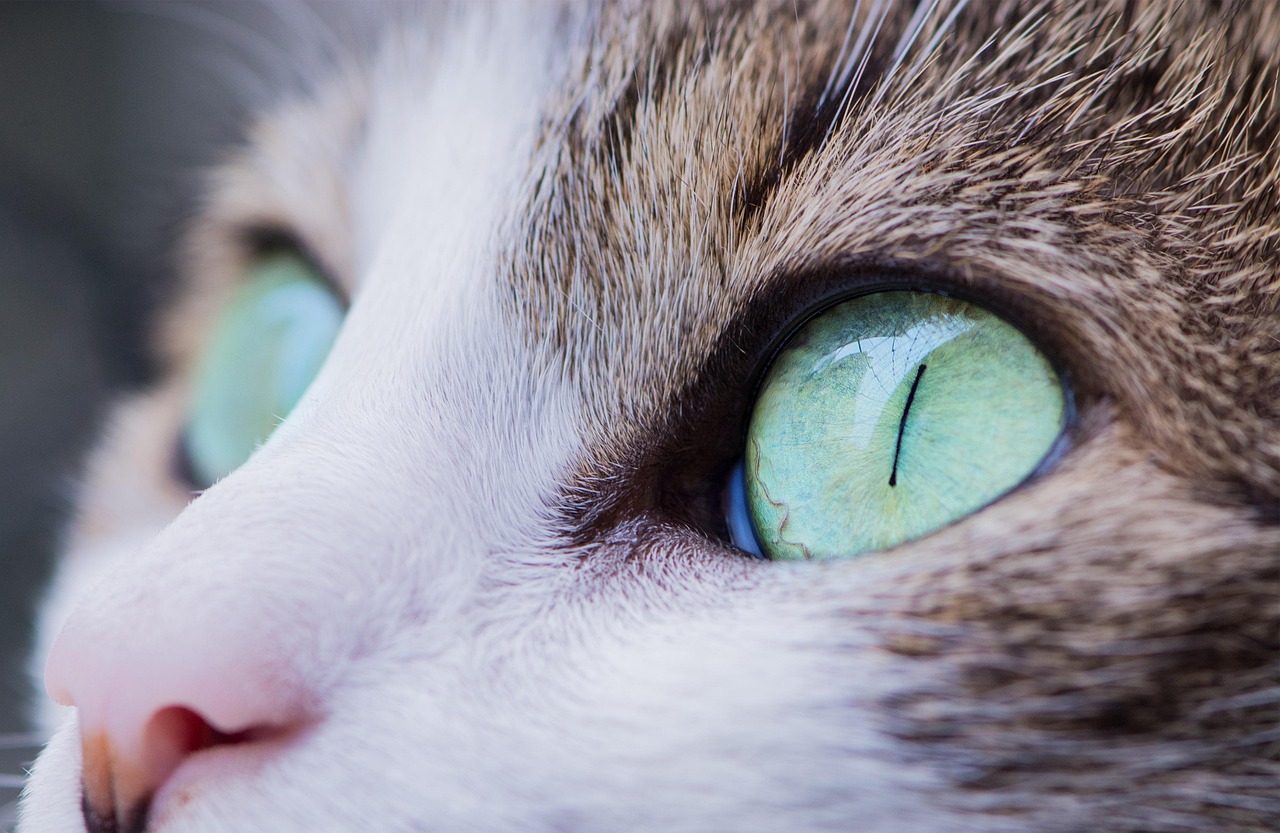

How to Keep Your Cat’s Eyes Clear and Healthy
Caring for your cat’s eyes is an essential part of grooming that is often overlooked. Eye care helps maintain their overall well-being and can prevent numerous health issues. Cats can develop a range of eye problems, including infections, irritations, and even more severe conditions. Regularly inspecting your cat’s eyes for unusual symptoms is vital. Look for changes in color, cloudiness, and excessive tearing. Cats also require their eyes to be clean from any discharge or dirt that may accumulate, which can lead to further complications. To maintain clear and healthy eyes, it is recommended to use a soft, damp cloth to gently wipe away any debris or dried discharge. Always use a separate section of the cloth for each eye to avoid cross-contamination. Clean them routinely to prevent irritation. Additionally, it is essential to keep an eye on any behavioral changes, such as excessive pawing at the eyes, squinting, or avoiding bright lights. These signs could indicate underlying issues that require prompt veterinary attention. Ensuring that your cat receives proper eye care will enhance their comfort and quality of life significantly.
Signs of Eye Issues in Cats
Being aware of potential signs of eye issues in your cat is crucial for timely intervention. Symptoms can range from minor irritations to severe health risks. Watch for unusual behaviors such as excessive blinking or squinting, which may indicate sensitivity to light or irritation. Discharge from the eyes can also signal an infection or allergy, so check for discoloration in any eye fluids. Other things to look for include redness of the eye or eyelids, which usually indicates inflammation. A healthy cat’s eyes should be bright and clear, but if you notice cloudiness, it could be a sign of serious problems, including cataracts. Equally, if one eye appears more affected than the other, it could require immediate inspection. You may also observe your cat rubbing its eyes frequently, which is a behavior indicating discomfort. If your cat starts avoiding bright areas or displays a lack of interest in activities, it might be due to difficulty seeing. Regular check-ups at the vet can help catch these issues early, as prevention is easier than treatment. Monitor your pet closely and don’t hesitate to consult with your veterinarian if you notice anything concerning.
Cleaning your cat’s eyes regularly is important to their health. Most cats will need this attention occasionally to help remove dirt, dust, or other debris from their eyes. Use a soft, damp cloth or cotton ball, and moisten it with lukewarm water. This cloth should be soft enough to avoid irritating your cat’s sensitive skin around the eyes. Begin cleaning from the inner corner of the eye, gently wiping outward to remove any accumulated discharge. Avoid touching the eyeball directly, as this could cause injury or further irritation. Be sure to use a clean portion of the cloth for each eye to avoid transferring any bacteria, which could lead to infection. If your cat resists, do not force them, as this can create additional stress, making grooming a negative experience. Instead, try making the experience more enjoyable, perhaps with some treats. Keep this routine short and positive. Additionally, if you notice any persistent discharges that seem unusual, consult your veterinarian immediately, as this could indicate a more serious issue. Maintaining this practice helps prevent infections and keeps your cat comfortable throughout their grooming sessions.
Regular Vet Check-ups
Regular veterinary check-ups play a significant role in maintaining your cat’s eye health. During a routine vet visit, the veterinarian will examine your feline friend’s overall health, including their eyes. Early detection of potential issues can prevent serious health complications. Your veterinarian can provide professional cleaning and check for signs of conditions like conjunctivitis or glaucoma, which require immediate action. Another benefit of regular check-ups is that they help ensure your cat is up-to-date with vaccinations. Vaccines help minimize the risk of certain diseases that can affect eye health, such as feline viral rhinotracheitis. Moreover, regular assessments can provide valuable insights into prevention against parasites and allergens, which are often culprits that contribute to eye issues. In addition to their general health checks, make sure to discuss any observations of unusual behaviors concerning their eyes or vision. Your veterinarian may also suggest eye-specific supplements that can promote overall eye health and support distinctive nutritional needs. Ensuring your cat receives regular check-ups is a proactive approach to maintaining their eye health and overall wellness.
Aside from routine cleaning and veterinary visits, monitoring your cat’s environment is crucial. A clean and safe home can reduce the chances of eye irritation and infection. Make sure to keep your living space free of harmful substances or chemicals. Regularly check common allergens, such as dust, pollen, and smoke, that may significantly impact your cat’s eyes. Ensure that your cat stays away from areas where irritants are prevalent. The use of air purifiers can help reduce airborne allergens, supporting your cat’s respiratory and eye health. Additionally, avoid allowing your cat to roam outside unsupervised. Outdoor cats can encounter various stimuli and dangers that could lead to eye injuries, such as branches or other animals. If your cat is an indoor cat, provide plenty of stimulation to keep them engaged. Toys, scratching posts, and interactive play can ensure a stress-free environment that decreases the likelihood of eye issues related to stress or boredom. Keeping your cat’s living area secure ultimately promotes their overall well-being, including healthy eyes.
Nutrition and Eye Health
Nutrition plays a vital role in the overall eye health of your cat. Feeding them a balanced diet rich in essential nutrients can help maintain clear eyes and prevent issues. Look for foods that contain high levels of antioxidants, particularly vitamins A, C, and E, which support eye function and protect against cell damage. Omega-3 fatty acids are another component beneficial for eye health, as they help support retinal health. Including taurine in your cat’s diet is also crucial, as it helps maintain retinal function and prevents degenerative changes. Commercial cat foods often contain these nutrients, but consulting with your veterinarian can offer personalized recommendations based on your cat’s specific needs and conditions. You may also consider adding safe supplements to your cat’s diet if necessary. Providing fresh water daily is equally important. Ensure your cat stays hydrated, as dehydration can lead to dryness in the eyes. Always choose a diet formulated specifically for cats, as human foods can lack necessary nutrients or contain harmful substances. Nutrition profoundly impacts your cat’s overall health, so prioritize their dietary needs to promote healthy eyes and good vision.
Eye infection treatment is essential should signs of problems arise. If you notice symptoms like redness, discharge, or excessive tearing, immediate veterinary attention is warranted. Dropping everything and seeing your veterinarian can save your cat from discomfort or even loss of vision. Treatments vary based on the severity and cause of the infection. Your vet may prescribe topical antibiotics or medications after a thorough examination. In cases where debris is involved, a gentle cleaning procedure may be required as well. Some eye problems are preventable through timely intervention, so pay close attention to your pet’s usual behaviors. In addition to prescribed treatments, provide a calm atmosphere during recovery to minimize stress. Follow your veterinarian’s instructions carefully regarding dosage and continuation of medication, as improper application can lead to further complications. If your cat resists handling during this time, speak gently and reassure them throughout the process. Consistency and patience are paramount in facilitating recovery. Lastly, avoid self-treating with over-the-counter eye solutions, as these may not be suitable and could worsen the issue. Always rely on your veterinarian for the best course of action regarding eye health.
Conclusion
In conclusion, keeping your cat’s eyes clear and healthy is an integral part of their grooming and overall wellness routine. Regular cleaning, vigilant monitoring for signs of eye issues, and maintaining a safe and enriched environment are all essential elements. Complement these practices with proper nutrition to provide your cat with the best chance of avoiding infection or irritation. Regular veterinary check-ups cannot be overstated in emphasizing their importance. This proactive approach helps to identify any emerging problems quickly and ensures that your cat receives appropriate treatment as needed. By staying attentive and making adjustments in their daily care routine, you will enhance the quality of your cat’s life significantly. Always remember that a cat’s well-being extends beyond basic grooming; it encompasses a holistic consideration for their physical health, including their eyes. As you create a nurturing atmosphere for your cat, keep these tips in mind to sustain their eye health. This commitment reflects your role as a loving cat owner. Your efforts will ensure that your cat enjoys clear, vibrant vision and a high quality of life for years to come, enabling them to thrive and feel great in their environment.