
How to Safely Capture Action Shots of Dogs
When it comes to dog photography, safety is a priority for both the photographer and the pet. Understanding the environment in which you’re shooting is crucial. Always inspect the area for potential hazards such as sharp objects, uneven terrain, or distractions that may upset the dog. Keeping the shooting space secure not only protects the dog but also ensures uninterrupted shooting. To enhance safety, it can be helpful to bring a friend along. They can assist in managing the dog, ensuring they stay controlled amidst excitement. Plus, having another pair of hands can help set up shots, making the process smoother for everyone involved. Remember to keep the dog hydrated, especially during outdoor shoots under the sun. Carry fresh water in a portable bowl, allowing breaks frequently to prevent overheating and fatigue. Some dogs might get overexcited with the environment, so using a leash might help. Using a dog’s favorite toy or partner can also help capture their attention and create beautiful shots. Prioritize the dog’s comfort and mental well-being, guiding them through every phase of the shoot. Doing this makes for a safer and more enjoyable session.
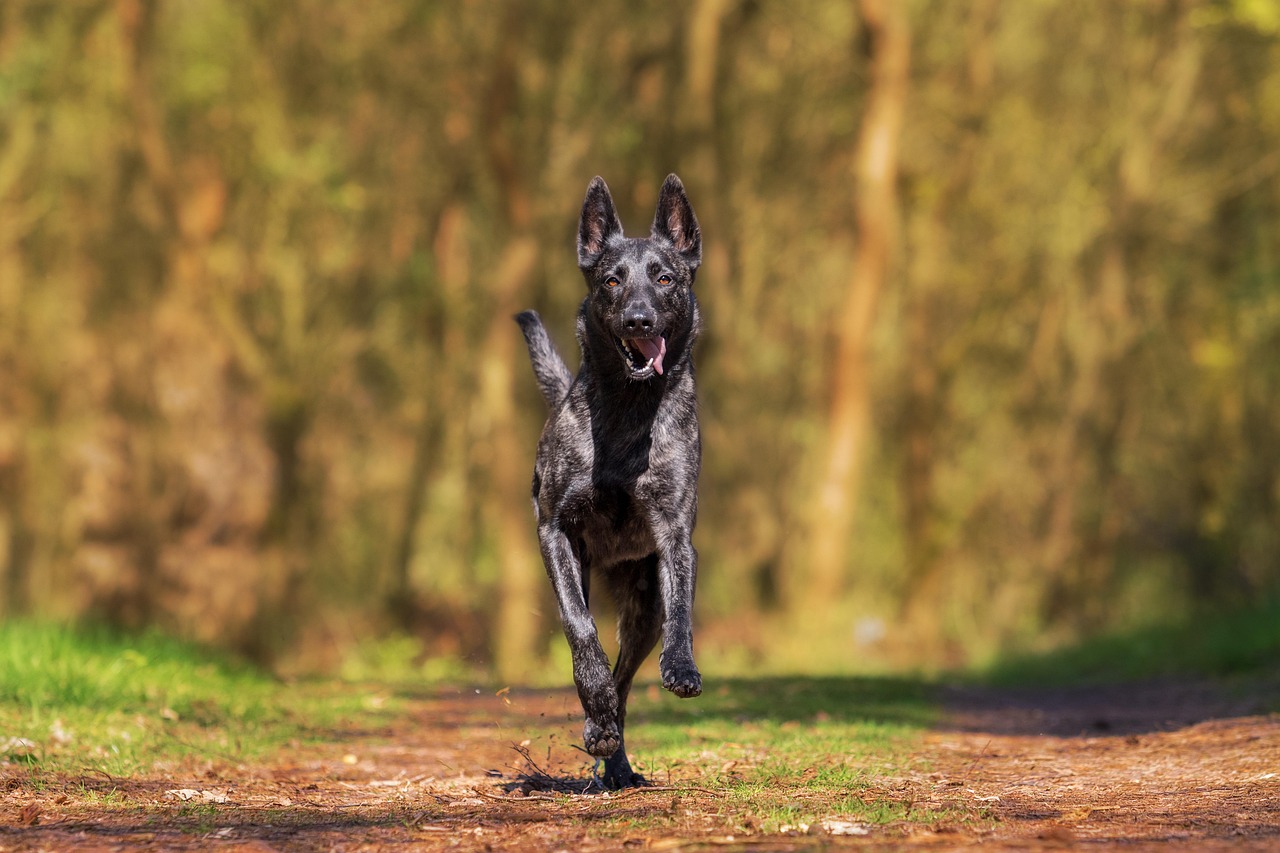
Another essential aspect of dog photography is the choice of equipment. Shoot with a camera setup you are familiar with to ensure that you can quickly adapt to changing situations. DSLR and mirrorless cameras are highly recommended as they offer fast shutter speeds to capture action shots of dogs. Using a telephoto lens helps you snap pictures from a distance while preventing the dog’s excitement from causing disruption. Ensure your camera is equipped for varying light conditions, especially if you’re shooting in the outdoors. Utilizing a fast shutter speed can help freeze moments of interaction or jump, making your photos come alive. A tripod can serve as a stable platform for shooting, although you may have to let it go when chasing after the dog! Consider safety features for yourself, like wearing proper footwear that provides good grip on unpredictable terrains. Always keep in mind that dog photography contains an element of unpredictability. The ability to adapt your setting and to capture spontaneous moments is part of the excitement. Train yourself to be quick with decision-making and utilize burst mode captures for action shots, increasing your chances of getting the perfect frame.
Understanding Dog Behavior for Safe Photography
Understanding breed behaviors is key to successful dog photography. Different breeds exhibit unique characteristics; some are more energetic while others may be shy. Knowing how the dog behaves aids in predicting their movements, which can be crucial in capturing those fleeting moments. Spend some time getting to know the dog before beginning your shoot. Use positive reinforcement through treats or praise to build trust, making it easier to engage during the process. Always remember to respect a dog’s personal space and boundaries. Never push a dog into situations where they might feel uncomfortable or stressed. If you’re shooting a large group of dogs, ensure that they are familiar with each other to prevent altercations. Pay attention to body language as you photograph, since it can denote feelings of excitement or anxiety. If the dog appears hesitant or distracted, it may be wise to take a step back and allow them to acclimatize to the environment. Whenever possible, choose locations that have familiar smells or environments to calm anxious dogs. This will lead to a more peaceful shooting session, ensuring safety and comfort for everyone involved.
Always consider weather conditions as they significantly influence the safety of your shoot. Extreme temperatures can be harmful to pets, so plan accordingly. On hot days, aim for early morning or later in the evening, avoiding the hottest part of the day since dogs can overheat quickly. Provide plenty of shade and breaks during the shooting period. On the flip side, if you’re shooting in cold weather, ensure the dog isn’t exposed for prolonged periods. Consider using dog jackets or sweaters for smaller or short-haired breeds to keep them comfortable. Rain can also affect the dog’s mood and health, so always have a backup plan. Scout indoor locations or use a covered area to continue capturing gorgeous shots without interruption. Keep an eye out for slick surfaces when it’s wet, as they can pose a danger for both you and the dog. The same applies to muddy terrains that can be unsafe. Understanding how to make these adjustments will not only enhance the quality of your photos but also ensure the dog’s well-being throughout the session.
Positive Reinforcement Techniques
Employing positive reinforcement techniques during your shoot can lead to remarkable results. Dogs respond well to rewards, so use treats, praises, or toys as incentives. Capture their focus by using squeaky toys or favorite items, allowing you to provoke playful behaviors for dynamic shots. Utilizing treats engages them effectively; each click can be followed by a positive reward, establishing a fun atmosphere. Ensure that the rewards are appropriate to the individual dog’s preferences, and note that not all dogs will react the same way. Some may thrive on praise, while others may not be food-driven. Keeping a variety of rewards handy will allow you to maintain interest and enthusiasm throughout your shoot. Remember that the key to successful dog photography lies in keeping sessions enjoyable for your model. If they seem disinterested, don’t hesitate to adjust your approach or take a break. An energized dog will showcase more excitement and passion, ultimately leading to exciting shots. Take breaks for relaxation, allowing the dog to naturally return to a state of readiness and comfort. This approach will help foster a calming environment that benefits both the photographer and the dog.
Lastly, don’t underestimate the importance of post-shoot care for the dog. After an action-packed shoot, dog fatigue can set in. Ensure to take time for some downtime, offering the dog hydration and a chance to decompress from the exciting events. Focusing on aftercare allows the dog to recover, mentally alleviating any stress taken on during your time together. Pay attention to their needs, which can vary from one breed to another. Some dogs might benefit from light activities like slow walks or a cozy spot on the couch to rest. Performance-related energy can vary, especially among puppies. Incorporating stretches or gentle movements will help maintain their flexibility. Document the dog’s behavior after a session; this information can be invaluable for future shoots. Understanding their post-shoot needs ensures a smoother follow-up process. Always aim for a long-term relationship with the dog for ongoing cooperation in future sessions. By treating the dog well and respecting their comfort levels, you will develop a strong partnership, resulting in beautiful photographs and a happy canine model.
In summary, safety remains at the forefront of dog photography practices. From evaluation of surroundings to understanding dog behaviors and using effective techniques for capturing their candid moments, every aspect contributes to a successful shoot. Moreover, your approach can influence the dog’s mood and reactions during sessions. Prepare accordingly by familiarizing yourself with necessary equipment and techniques suited for safety, which will provide benefits to both yourself and your dog. Consult online resources or photography courses for more tips tailored specifically to dog photography. Following these insights will allow you to feel more confident in managing outdoor environments and understanding canine reactions. Remember that capturing beautiful photographs is as much about the connection you form with the dog as the techniques you utilize in your shoot. The joy of pursuing dog photography is unparalleled, especially when you see those genuine moments unfold before your lens. With thoughtful planning and attention to safety, you can create stunning portraits that reflect the unique personality of each dog you photograph. Enjoy the journey of dog photography and the rewarding experience it brings.
Additionally, embracing the world of dog photography allows you to bond with your four-legged friends, creating memories that last a lifetime. Engaging with dogs through an artistic lens can enrich your life, providing both joy and fulfillment. With each photo session, there’s a unique set of experiences waiting to unfold. Continued learning, practice, and experimentation will elevate your skills as a dog photographer. Capture moments that are not only visually stunning but also tell a story about the dog’s spirit and character. Embrace the challenge and rewards of dog photography, discovering various techniques like composition and framing. Participating in communities, online forums, or workshops can provide valuable feedback and ideas for your projects. Experiment with different environments and settings to keep your sessions exciting and fresh. Always hold on to the fundamental view; creating a safe and enjoyable atmosphere for the dog must remain your top priority. Let the joy and enthusiasm of the dogs inspire your artistic vision. Through this, you’ll gain not only exceptional photographs but also a deeper appreciation for the beauty of dogs. Your passion for photography and love for our furry friends can lead to remarkable journeys.