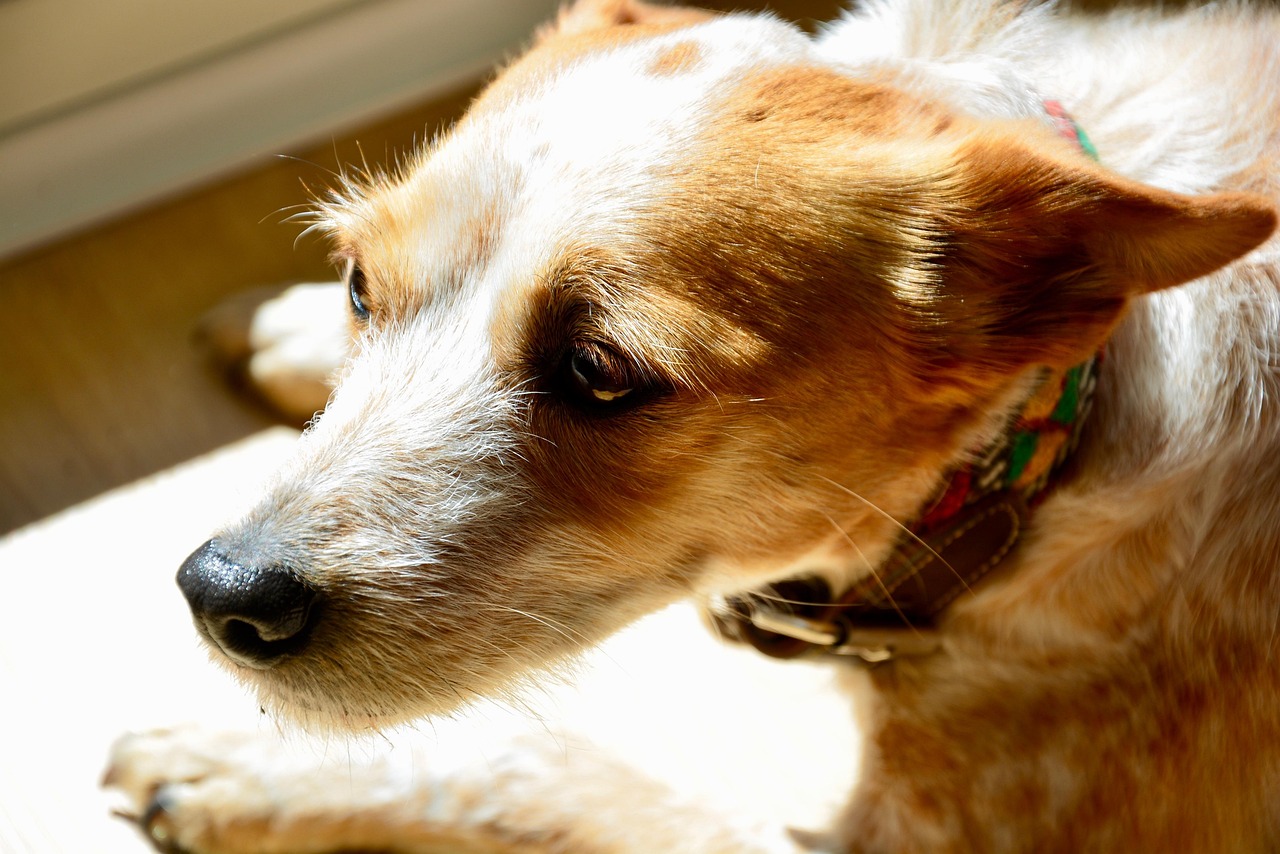

Innovative Socialization Tools Developed for Anxious Dogs
Dog socialization is critical for ensuring a happy and well-adjusted pet. Innovative tools designed to support anxious dogs can help alleviate stress and foster positive interactions. Devices that amplify scents can stimulate social encounters by allowing dogs to explore through their noses. Additionally, sound toys create calming audio backgrounds, reducing anxiety during unfamiliar situations. These tools empower owners to help their dogs face potential challenges, making socialization a positive experience. Socialization games can also be utilized, encouraging dogs to interact in a playful manner while learning vital skills. Dog owners should prioritize establishing trust and creating safe environments to facilitate socialization. Engaging training sessions using fun props can assist in building confidence. Resources such as local training classes and online courses can provide guidance. With practiced patience, owners can equip their pets with the tools necessary for successful socialization. The role of professional trainers can be invaluable, offering insights tailored to the unique behavior of anxious dogs. Creating a personalized socialization plan is essential for progress and long-term success.
Providing appropriate socialization tools enables dogs to navigate various environments, such as parks or busy streets. Harnesses with calming features are enjoyable for dogs while promoting safety during outings. These can prevent escape attempts and help anxious canines feel secure. Retractable leashes allow for controlled exploration, helping dogs learn boundaries while enjoying more freedom. In addition to leashes, various portable toys are designed to be both engaging and calming. Toys that dispense treats can encourage desired behavior while promoting interaction with other dogs. When selecting toys, it’s crucial to consider the dog’s preferences, choosing those that align with their play style. Interactive apps can even provide a virtual platform for fostering socialization at home. This digital approach complements physical tools by reinforcing training in a playful setting. Dog owners should also utilize positive reinforcement techniques, as they effectively boost confidence while establishing good habits. Consideration should be given to the dog’s history, ensuring adaptations are made where necessary. When visiting new places, ensure familiar items are available to provide comfort, easing anxiety during socialization efforts. Overall, a comprehensive array of tools contributes to a successful socialization strategy for anxious dogs.
Understanding Anxious Dogs
Understanding the unique challenges faced by anxious dogs is essential for selecting appropriate socialization tools. Each dog has individual experiences that shape their reactions to stimuli. Some dogs may exhibit fear around unfamiliar people, while others may struggle with interactions with other dogs. Recognizing signs of anxiety, such as excessive barking or trembling, allows owners to act swiftly. Dog owners should first observe their pets in various situations to identify triggers. Once these are recognized, tailored strategies can be created using available tools. For instance, calming wraps can provide comfort to anxious dogs by applying gentle pressure. Socialization experiences should begin slowly, introducing new environments in small doses. Additionally, utilizing professional guidance is advisable for those unsure of appropriate steps. Trainers can help outline a clear plan and recommend specific tools based on a dog’s behavior. Owners must remember that socialization is a gradual process that requires patience and understanding. Creating a consistent routine can solidify progress, providing stability for anxious dogs. Regular outings to the same places can help build confidence, reinforcing positive behaviors over time, leading to improved interactions with other dogs and people.
Socialization equipment specifically designed for anxious dogs should be adaptable and easy to use. For example, adjustable harnesses can accommodate changing levels of comfort as they progress. These harnesses provide owners with a sense of security when introducing their dog to new experiences. Another effective tool is the calming vest, which reduces anxiety by providing shallow pressure; these can be particularly beneficial during socialization sessions. In addition, various training aids are available to help dogs handle new environments better. Squeaky toys and interactive puzzles can redirect a dog’s attention, making encounters less stressful. Additionally, visual aids — like ID tags with specific information about the dog’s anxiety — can assist others in understanding the dog’s behavior. It can help prevent mishandling during social interactions. Moreover, owners can explore sensory tools, such as aromatherapy sprays designed specifically for dogs. These sprays can promote relaxation in various situations, aiding overall socialization efforts. Select tools that align with the dog’s preferences while considering individual anxiety triggers. It’s also vital that owners maintain an engaging atmosphere when using these tools, encouraging dogs to enjoy their interactions more fully.
Exploring Socialization Games
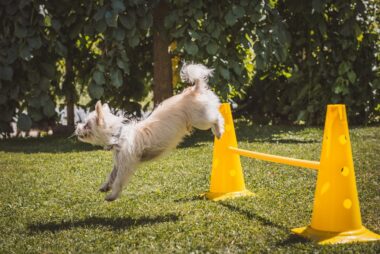
Utilizing effective games designed for socialization helps reduce anxiety in dogs. These games promote comfortable interactions with both new friends and familiar companions. For instance, fetch is a popular option that allows them to play at a distance while encouraging movement. Structured games of tug-of-war can build confidence when introducing new dogs. A more controlled approach can encompass pairing dogs of similar energy levels, ensuring positive experiences that foster growth. Socialization games can also include hiding treats, stimulating their sense of smell and encouraging exploration in a safe space. Group training activities such as agility courses can expose dogs to various stimuli, promoting adaptability and easing anxious tendencies. Incorporating fetch or chase games can create social ties between dogs, bolstering their interest in interactions. Owners play a crucial role during these games, offering guidance and praise to ensure successful socialization. Creative outreach within local communities can result in organized events, allowing for socialization opportunities among multiple dogs. Through strategic planning and engaging in enjoyable activities, anxious dogs can learn valuable life skills while strengthening their confidence in social settings.
Pairing socialization strategies with positive reinforcement is vital for success. Such approaches cultivate trust between dogs and their owners, fostering emotional well-being. Effective reward systems include treats and praise, which reinforce desired behaviors in various situations. Consistency within these training techniques aids in developing a structured approach that dogs can easily comprehend. Observing how your dog responds to various methods of reinforcement can help to tailor the experience further. Understanding that each dog differs enables owners to create a personalized experience catered to their needs. Tracking progress in socialization scenarios can also offer insights into their evolving comfort levels. By evaluating how swiftly an anxious dog adapts to new situations, owners can identify potential stress triggers. As more positive experiences are established, owners can gradually increase exposure to challenging environments. Engaging with other pet owners allows for the sharing of successful strategies, creating supportive networks within the community. By empowering anxious dogs through positive experiences, owners may witness transformative changes in behavior over time. Consequently, using a combination of tools, games, and reinforcements, they can significantly enhance their dog’s quality of life.
Easing Transitions
Easing transitions is essential for the successful socialization of anxious dogs. When introducing new experiences, creating gradual exposures can significantly reduce stress levels. Short visits to different settings can provide opportunities for adjustment, allowing dogs to acclimate to the changing surroundings. Maintaining a calming presence as an owner during these transitions can ease the emotional burden. Familiar items, such as favorite toys or blankets, can contribute to a sense of security, promoting confidence. It is also vital to remain observant during these instances, recognizing when a dog is exhibiting signs of distress. By addressing concerns proactively, owners can modify experiences to ensure positive outcomes. Engaging with compatible dog companions is another effective approach, as these friendships can instill a sense of normalcy for anxious dogs. Aligning regular play dates with established friends can facilitate smoother transitions. Owners may also utilize humor in their interactions, as the emotional context significantly impacts a dog’s responsiveness. Lastly, patience remains a crucial element throughout this journey, allowing dogs ample time to adapt. Socialization is a continuous process, influencing long-term behavior health and improving overall quality of life.
In conclusion, utilizing innovative socialization tools enhances the development of anxious dogs. Owners can assist their pets by strategically utilizing various aids, ensuring a positive environment. The integration of engaging tools like calming wraps, interactive games, and sensory aids contributes significantly to a dog’s emotional health. With a foundation of trust and training, anxious dogs can overcome challenges, progressing toward healthier social interactions. Instruction from professional trainers offers vital support as owners navigate their pets’ unique experiences. Systematic approaches can refine socialization strategies, enabling dogs to embrace new encounters. Additionally, fostering connections within owning communities can provide valuable resources, allowing for shared insights into successful socialization around anxiety. It’s important to acknowledge that setbacks may occur in this journey. However, consistent effort and nurturing during these times will strengthen resilience. Through practice and dedication, dogs can develop meaningful friendships and interactions, leading to more fulfilling lives. Owners play an integral role in transforming their dogs’ experiences, helping them grow emotionally and socially. Ultimately, investing time and care into socialization efforts delivers significant rewards for both the pet and owner, creating happier and healthier relationships.