
Safe Outdoor Spaces: Fencing and Yard Safety for Dogs
Creating a safe outdoor environment for your dog is essential to ensure their well-being and happiness. One of the first steps is to evaluate your yard. An ideal outdoor space should have secure fencing that can prevent your dog from escaping and protect them from potential hazards. Opt for tall fences, ideally over six feet high, to deter even the most spirited of jumpers. Check for any gaps or weak spots where your dog might slip through or dig under. Regularly inspect the fencing for any structural damage caused by weather or wear over time. Consider using materials that are dog-proof and non-toxic to ensure their safety while playing. Adequate outdoor supervision is vital, but that alone is not enough. Designate safe areas in the yard where your dog can roam freely while you keep an eye on them. Add appropriate outdoor toys to keep them stimulated and engaged. Above all, ensure that the space is free from hazards like exposed wires, harmful plants, or sharp objects that could harm your furry friend.
Choosing the Right Fencing
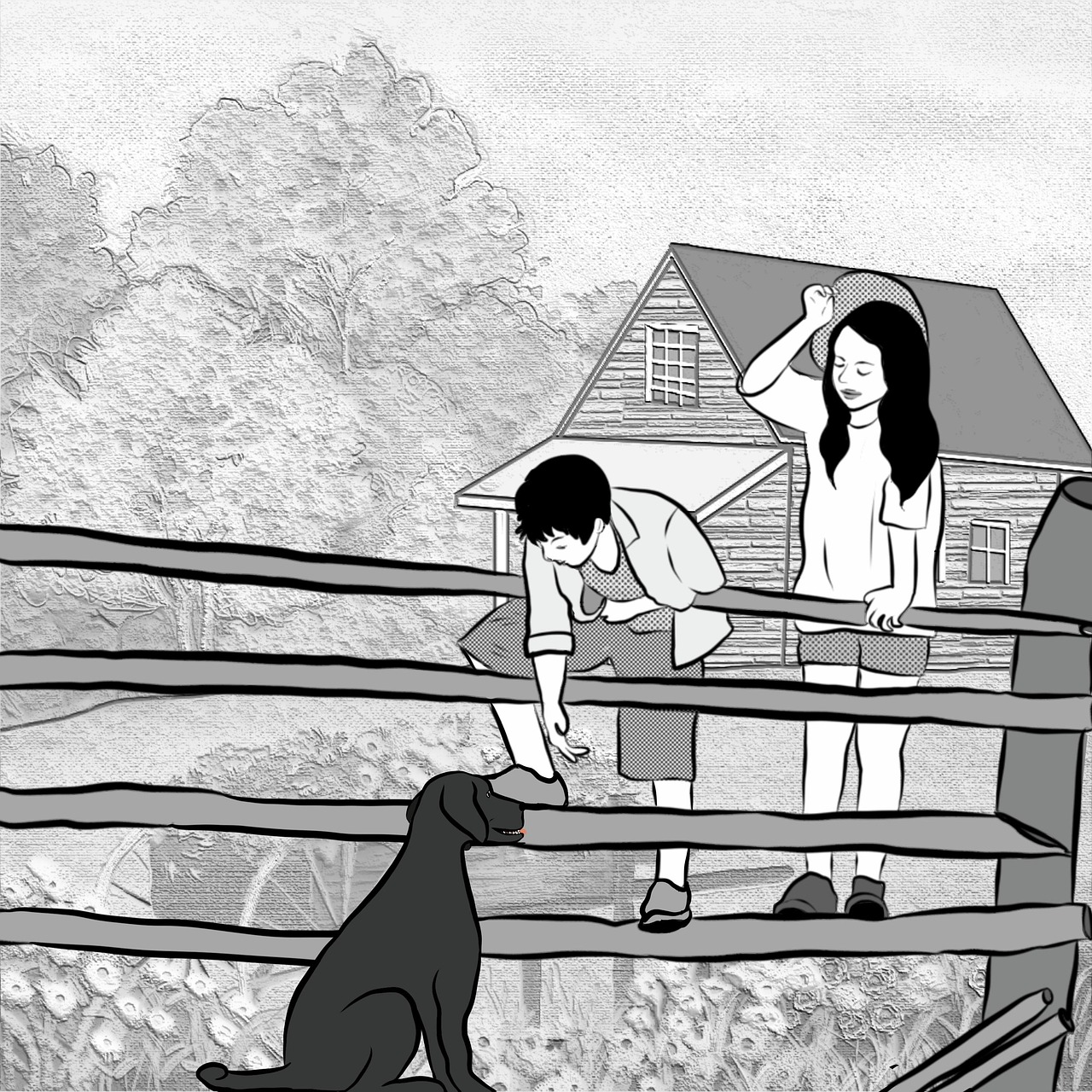
When it comes to selecting the best fencing for your dog’s safety, it’s important to consider different materials and styles. Wooden, vinyl, and chain-link fences all have their pros and cons. Wooden fences are sturdy but can rot, while vinyl is low-maintenance and weather-resistant. Chain-link is durable but might not provide full privacy. Opt for a fence strong enough to withstand your dog’s weight, especially if they’re a large breed. Height is another crucial factor; most dogs can jump or climb over a fence shorter than six feet. For breeds known for climbing or digging, consider adding an overhang or digging barrier below the fence. Make sure to choose fencing without sharp edges that could injure your dog. You may also consider having the fence professionally installed for the best results. It is invaluable to consult a local contractor or pet professional for advice on what works best in your area. After all, a secure environment can drastically reduce the risks while allowing your dog to enjoy the great outdoors safely without constant anxiety from potential escape.
Another key aspect of ensuring yard safety for dogs is making sure that your lawn and any outdoor areas are free from dangerous plants and chemicals. Some common plants can be toxic to dogs, including lilies, azaleas, and oleander. Before allowing your pet to roam freely, make a comprehensive list of both indoor and outdoor plants. If you’re unsure about specific plants, consult a veterinarian or the ASPCA, which has a helpful guide available online. When it comes to lawn care, avoid using pesticides or fertilizers that may harm your pet. Instead, opt for organic solutions or natural deterrents, which can keep your yard looking beautiful without the risk. Additionally, when treating your lawn, follow all instructions carefully to minimize any harm. For pet-safe gardening solutions, there are various resources online or in local pet stores. Investing time into researching pet-friendly landscaping can help maintain a safe outdoor space. Regularly monitor your dog when they’re outside and prevent them from ingesting anything hazardous by teaching them commands related to forbidden items, enhancing safety measures while enjoying some fresh air.
Establishing Safe Play Areas
Designate specific areas in your yard as safe play zones for your dog, promoting their socialization and engagement. Whether it’s a corner filled with toys, a sandbox, or a shaded spot from the sun, ensure it is fully fenced and free of hazards. You can create a safe area by placing various toys, enrichment activities, and even canine-friendly furniture that encourages play and exploration. Be creative in how you set up these spaces; consider adding tunnels or climbing structures that match your dog’s energy levels and interests. Install a sturdy doggy pool or a water feature on hot days to make the experience even more exciting. Ensure that these designated areas are well-ventilated and have enough space for your dog to move around freely. Regularly check that all toys are safe and clean, replacing any damaged items promptly to avoid unexpected surprises. Follow constructive guiding principles of being consistent while training your dog to associate these areas with positive behaviors, further enhancing their outdoor experience while maintaining safety.
Monitoring the surroundings of your yard is crucial in maintaining the overall safety of your dog. Regularly check for neighborhood hazards like broken fences or loose dogs that could pose a threat. If your dog plays ball or fetch in the yard, ensure that the ball is the appropriate size and doesn’t pose a choking hazard. Don’t underestimate the importance of securing gates either; always double-check locks and latches to maintain closure. Use latches that are designed to keep even the most curious and clever dogs from easily escaping. Also, educate your neighbors about responsible pet ownership. Encourage them to keep their pets leashed and respect yours while they’re outside. Forming a friendly relationship with your neighbors can create a supportive environment that prioritizes safety for all local pets. Always be aware of seasonal risks such as fireworks around holidays; they can cause anxiety in dogs. During those times, keep them indoors and offer comforting spots for them to relax in, minimizing any exposure to frightening sounds from outside.
Safety Practices When Using Outdoor Spaces
Adopting safe outdoor practices while allowing your dog to enjoy your yard is essential. Establish boundaries where your dog can roam and rewarded positively for staying within those parameters. Make use of outdoor gear like harnesses and leashes for added security, even within the confines of your yard. Following basic commands should be prioritized, such as recall, stay, and leave it. Training sessions in a secure area can help reinforce these commands, ensuring your dog understands the importance of safety while they play. Whenever possible, invest in dog-related technology, like GPS collars, so you can monitor their location at all times. Consider scheduling playdates with other dogs to facilitate social interactions. This can enhance your dog’s adaptability and sociability, making their outdoor experience more enjoyable. Be mindful of the weather as well; extreme heat or cold can pose significant risks to their health, so plan outdoor time accordingly. Explore different enrichment activities to keep their interest alive, ensuring outdoor experiences remain both safe and exciting for your four-legged friend.
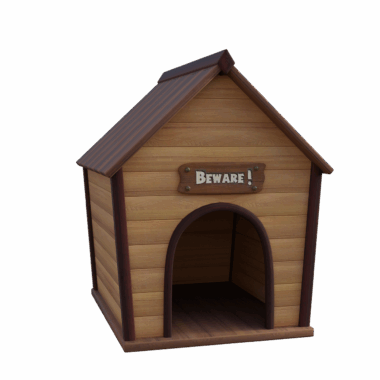
Lastly, don’t forget to provide adequate shelter or shade for your dog when they are outdoors. Dogs can experience heatstroke just like humans, making shade a necessity during warmer months. Invest in a sturdy doghouse or a shelter that keeps your dog cool and comfortable. Offer plenty of water to keep them hydrated, especially during playtime. It is vital to observe your dog for any signs of distress, such as excessive panting, drooling, or lethargy. When spending time outdoors, have a first aid kit nearby for emergencies, equipped with supplies like bandages, antiseptics, and any medication specific to your dog. Educating yourself on basic first aid treatments can be invaluable in protecting their health until medical help is available. In addition to your dog’s safety, always consider the environmental impact of your activities. Clean up after your pet and ensure that your yard remains a healthy space for local wildlife. By adopting these practices, you can provide a safe environment for your dog while enriching their life with outdoor experiences, ensuring their well-being and happiness every step of the way.
Summary
Creating a safe outdoor area for your dog requires careful consideration, proactive measures, and continuous monitoring. Start by establishing secure fencing and safe play zones, regularly inspect for hazards, and educate yourself about pet-friendly plants. Utilize appropriate tools and gear, reinforce basic commands, and adopt healthy habits to enjoy outdoor space. Above all, remember that your dog’s safety and enjoyment are paramount. Implementing these recommendations ensures your dog thrives in a safe, enriching environment.