
The Growing Popularity of Rare Cat Breeds and Their Future
The world of cat breeding is significantly shifting, with a notable increase in interest and demand for rare cat breeds. These unique felines offer not only beauty but also distinct temperaments and characteristics. Breeders are now striving to meet this growing demand, providing potential cat owners with various options. Popular rare breeds include the Bengal, Ragdoll, and the Savannah, which have become favorites among enthusiasts. The rise in social media has played a vital role in showcasing these rarer breeds to a global audience. As people share pictures and stories about their pets, interest in acquiring these exceptional cats has soared. This trend encourages responsible breeding practices, ensuring the health and well-being of these breeds. Additionally, people are becoming more educated about the needs and care specific to these cats. This knowledge is crucial in fostering a responsible ownership culture. Ultimately, understanding the traits and care requirements can lead to more fulfilling experiences for owners and their unique feline companions.
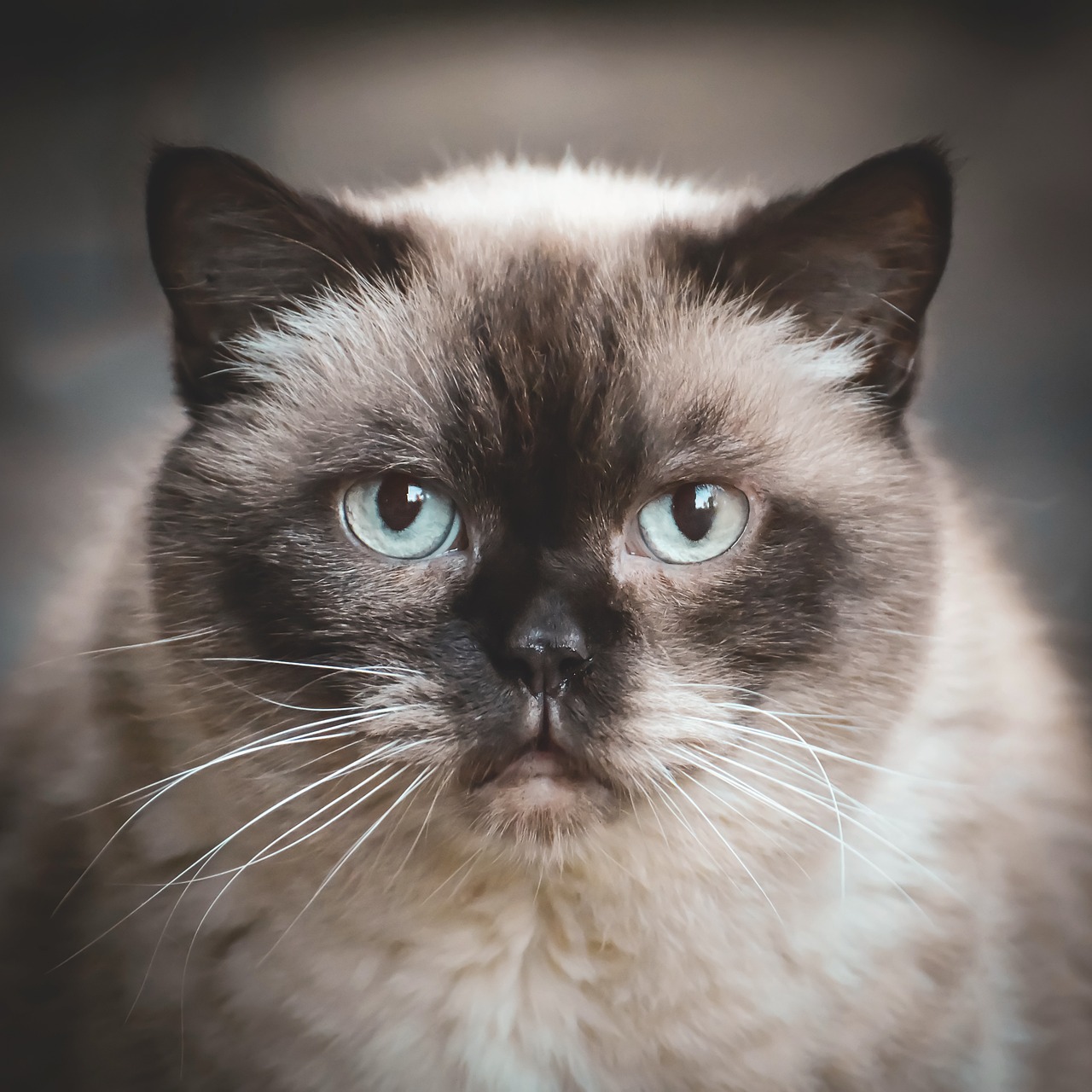
The increased demand for breeding rare cats is not just about their aesthetic appeal. Rare breeds often have fascinating histories and unique traits, appealing to potential owners on a deeper level. Many owners are seeking companionship through these special cats, drawn by the allure of exclusivity. Each breed comes with its own story, making them even more captivating for enthusiasts. For instance, the Maine Coon, one of the oldest natural breeds in North America, is renowned for its large size and friendly demeanor. Another intriguing breed, the British Shorthair, is celebrated for its round face and dense coat. As breeders continue to refine their practices and emphasize the health of these cats, potential owners must recognize the importance of finding reputable breeders. Responsible breeding helps maintain genetic diversity, preventing potential health issues in these unique breeds. Furthermore, organizations supporting cat welfare have highlighted the necessity of proper care and a loving environment. The future of cat breeding can create an environment where both cats and their human counterparts thrive. Fostering this knowledge can lead to deeper bonds and better outcomes for these beloved pets.
Observing the market trends indicates a growing vocal advocacy for adopting rare cat breeds rather than purchasing them outright. Adoption campaigns have become primary in educating future owners about the benefits of bringing home a rescue. Mixed-breed cats, despite their less conspicuous lineage, often embody remarkable traits and charming personalities. Cat breeds with unique markings or genetic variations have captured the hearts of many. Shelters and rescues are filled with wonderful cats waiting for a loving home, making it imperative for potential owners to consider adoption as a priority. Community engagement through social media plays a crucial role in promoting this advocacy. By showcasing adopted cats and sharing success stories, more people become inclined to choose adoption. Rounding out this initiative, numerous cat welfare organizations provide resources to educate potential owners on proper care. Understanding the importance of adoption contributes to a more enriching experience, ensuring that these rare and beautiful breeds find a place in caring homes. Ultimately, the dialogue surrounding adoption versus purchasing is paramount in shaping the landscape of cat breeding and ownership moving forward.
The Role of Technology in Cat Breeding
Technology has revolutionized various fields, and cat breeding is no exception. Advancements in genetic testing have enabled breeders to monitor health traits and genetic conditions more efficiently. Consequently, this precision helps to maintain the integrity of rare breeds. By analyzing genetic markers, breeders can identify potential health risks even before litters are born. This proactive approach ensures healthier cats, enhancing their quality of life. Additionally, the use of platforms and apps dedicated to cats facilitates connections between breeders and prospective owners. These platforms offer a vast array of resources, including breed information, care tips, and health screenings. Such innovations provide clarity and transparency, which are increasingly valued by modern owners. Enthusiasts are turning to online communities and forums to exchange advice, share experiences, and seek recommendations about rare breeds. This sense of community fosters trust among breed enthusiasts and helps ensure responsible breeding. The future of cat breeding will undoubtedly continue to harness technological advancements, promoting ethical practices and a deeper understanding of successful cat ownership. In turn, this nurtures a cycle of health, education, and responsible ownership.
A major discussion in cat breeding revolves around ethical practices, considering the responsibility that breeders hold. With the rising popularity of rare breeds, ethical concerns increasingly take center stage. Ensuring that breeders prioritize the overall health and welfare of the cats is crucial for sustaining this industry. Ethical breeders engage in transparent practices, educating prospective owners about each breed’s temperament, care, and potential health issues. Many modern breeders follow guidelines set by feline associations. These guidelines promote health screenings, genetic testing, and prevent practices that foster puppy milling for profit. Supporting ethical breeding fosters trust and ensures that the future of rare breeds remains stable. With the growing awareness surrounding animal rights, consumers are actively seeking breeders committed to ethical practices. This trend encourages accountability, as breeders must stay vigilant about the impact of their decisions on the cats they produce. Ultimately, ethical breeding aligns with the values of prospective owners who desire healthy, well-cared-for companions. This pursuit will play a significant role in shaping the future landscape of cat breeding and ownership.
Educating Future Cat Owners
As interest in rare cat breeds grows, education becomes essential for future cat owners. Engaging with potential owners through information workshops and online resources fosters a culture of responsible ownership. Workshops offer hands-on experiences, providing insights into breed traits, care requirements, and health challenges specific to these unique cats. Many organizations emphasize the importance of preparing potential owners before adopting or buying their first rare cat. Resources in the form of blogs, forums, and social media groups have become invaluable in spreading awareness of responsible feline ownership. These platforms can serve as a safe space for sharing personal experiences, offering advice, and discussing tips for training. Additionally, veterinary input is crucial in educating owners about the specific needs of rare breeds. Regular health check-ups and tailored nutrition plans can significantly impact the longevity and well-being of these cats. As guardians of rare breeds, proactive owners play a vital role in maintaining breed standards and health benchmarks. This growing awareness contributes positively to potential cat owners’ experiences and enriches the lives of rare cats in loving homes.
Looking forward, the future trends in cat breeding will significantly reflect societal values regarding animal welfare and ethical treatment. As more people advocate for responsible ownership, breeders will feel the need to adapt their practices to align with these values. The popularity of rare breeds will likely surge as long as adequate measures are in place to guarantee their health and well-being. Technology’s ongoing role in connecting breeders and potential owners will further influence how trends unfold. Online communities and educational resources will empower future generations of cat lovers, ensuring that the most vulnerable breeds are prioritized. The conversation surrounding adoption versus purchasing will also evolve, leading to greater emphasis on supporting local shelters and rescue organizations. As consumers increasingly demand transparency, those who prioritize ethics will drive the culture of cat breeding forward. This transition sets a foundation for a sustainable breeding landscape where rare breeds can thrive alongside responsible ownership practices. By engaging with current trends, the cat breeding community will cultivate an environment that prioritizes animal welfare, enriching the lives of both cats and their owners.
In conclusion, the growing popularity of rare cat breeds continues to shape the future of cat breeding. As societal values shift towards responsible ownership and ethical practices, both breeders and owners must embrace this evolution. The role of technology in education and genetic screening serves to enhance awareness around breed care and health. By thoroughly engaging in continuous learning, future cat owners can build deeper bonds with their rare feline companions. Amidst this cultural change, the importance of interdisciplinary collaboration between breeders, veterinarians, and cat welfare organizations cannot be overstated. Collectively, they can ensure a brighter future for these beautiful breeds. The advocacy for adoption as a priority fosters an environment where not only rare breeds can find homes but also mixed breeds, enriching the lives of countless cats. Ultimately, fostering a culture of responsible ownership through education, ethical practices, and the promotion of adoption can contribute positively to the future state of the cat breeding industry. These trends have the potential to create a new wave of cat enthusiasts, ensuring a sustainable and rewarding future for the feline companions we cherish.