
Dog House Roof Types: Pros and Cons Explained
Choosing the right roof type for your dog’s house is essential for maintaining comfort and safety. Several types of roofs are available, each offering unique advantages and disadvantages. Common dog house roof types include gable, flat, and slanted roofs. Gable roofs provide excellent ventilation and drainage but can be challenging to assemble if you’re not handy. In contrast, flat roofs are easy to build and provide a modern look but may lead to water pooling, potentially causing leaks. Slanted roofs are a good compromise, allowing water runoff while offering some shelter from wind. Knowing these pros and cons can help in choosing the best structure for your furry friend. Make sure to conduct personal research as to what suits their needs and your environment. Additionally, depending on your location, certain roof types may be more efficient than others. Factor in your dog’s size, breed, and specific needs when making your decision. Consult with professionals or other dog owners for insights into effective roof solutions for dog’s houses.
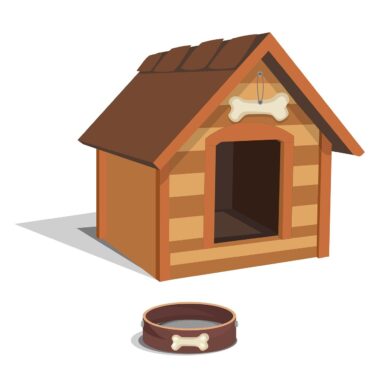
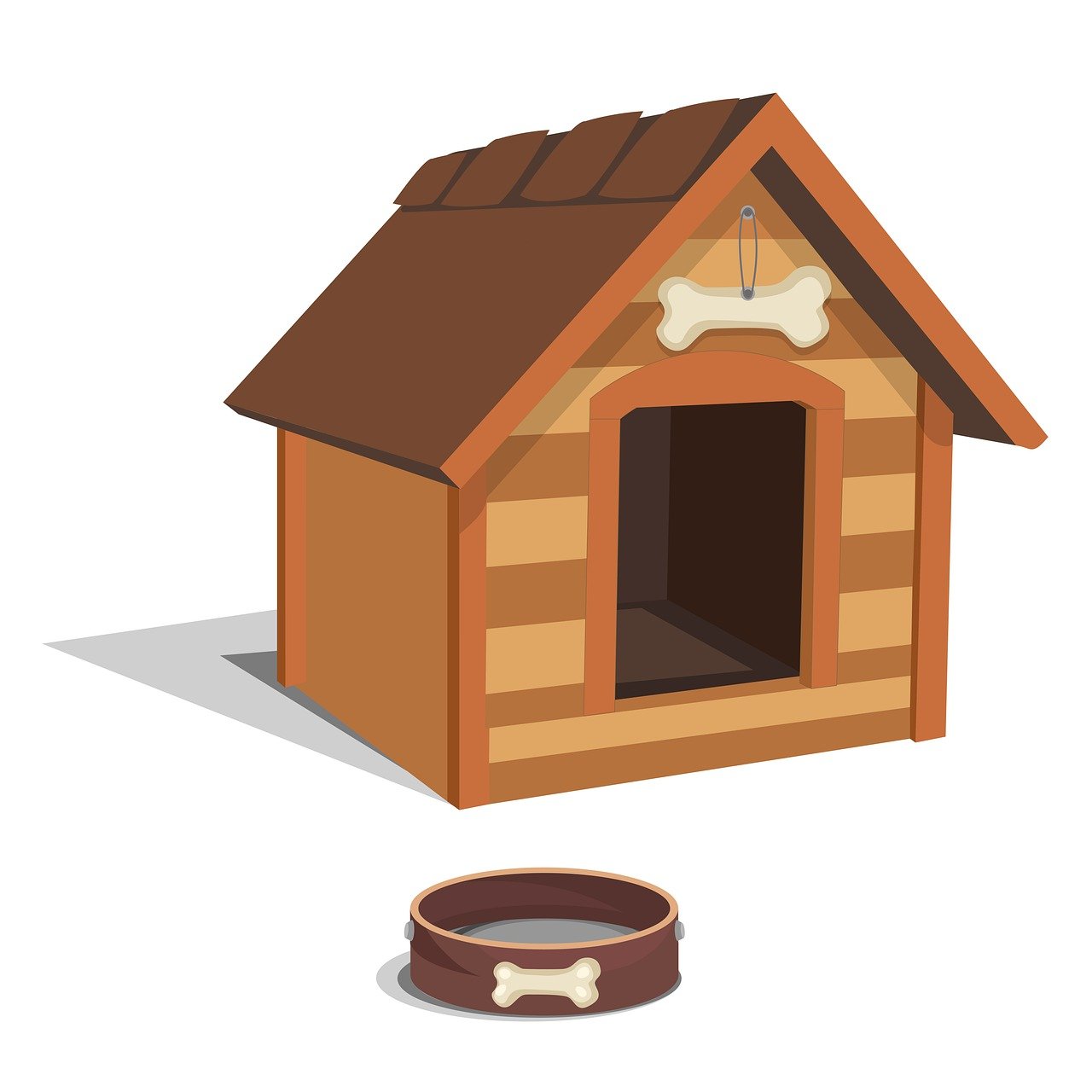
The gable roof style is often seen as the most popular choice among dog owners. This option features two slanted sides that meet at a peak, much like traditional houses. One significant advantage of gable roofs is their excellent drainage system. Rainwater runs off the sides, preventing pooling and minimizing the risk of leaks. Additionally, gable roofs tend to be more spacious inside, allowing your pet to stand and move comfortably. However, this style can be more complex and costly to build. For those with limited carpentry skills, it may be wise to seek assistance, which can increase overall costs. Despite these challenges, many find that the benefits outweigh the drawbacks. For instance, dogs enjoy the extra ventilation gable roofs provide. This style works exceptionally well in warmer climates. However, in extremely windy areas, special attention to construction is essential to prevent wind damage. Selecting the right roofing material can enhance durability and appearance. You can choose from options such as shingles, metal, or even tarps, each contributing uniquely to functionality.
Exploring Flat Roofs for Dog Houses
Flat roofs may offer a suitable alternative for those seeking simplicity in construction and aesthetics. This roof type is significantly easier to build compared to gable roofs. Additionally, they can modernize the look of your pet’s home by giving it a contemporary feel. However, the primary drawback of flat roofs is their susceptibility to water pooling, especially during heavy rains. This can lead to leaks and may necessitate regular maintenance. DIY builders should plan for adequate drainage to avoid this issue. Flat roofs often provide a larger surface area, creating a space for your dog to sunbathe. They can also serve as additional storage or shelter for supplies if designed carefully. Insulation is crucial, especially in areas with extreme temperatures. Make sure to select quality materials that withstand various weather conditions while being breathable for ventilation. You might find flat roofs can help regulate temperature inside the dog house rather than allowing heat buildup. With proper care, this roof type can serve your dog well for years, blending functionality and style.
When considering a slanted roof, many may appreciate its cost-effective and practical design. The slanted roof allows for easy water runoff, similar to gable roofs, while being simpler to build. This design requires less wood and can significantly lower the overall weight of the structure, making it easier to transport if necessary. Moreover, slanted roofs offer decent ventilation, which is essential for heat management during hotter months. However, one downside is that they may not provide as much interior space as gable roofs. While still functional, some dogs may feel a bit confined depending on the angle of the slope. In regions with heavy snowfall, slanted roofs can withstand weight better than flat roofs, reducing snow-related risks. It’s also important to ensure adequate material selection to ensure durability. Utilizing treated wood or weather-resistant materials will extend the life of the roof significantly. Constructing a slanted roof can be an excellent weekend project for pet owners who enjoy DIY tasks. Offering both protection and shelter, this design often appeals to economy-minded consumers.
Choosing the Right Material for Your Dog House Roof
Regardless of the roof type you select, the materials you use significantly impact longevity and safety. Common materials include asphalt shingles, metal, wood, and waterproof membranes. Asphalt shingles, popular for their affordability and ease of installation, are also available in various colors to match your home. Their only downfall is limited lifespan compared to some more durable materials. On the other hand, metal roofs offer superior durability and longevity, ideal for areas experiencing extreme weather. Another advantage of metal roofs is their fire resistance. While metal roofs can be pricier upfront, they can save money in long-term maintenance. For homeowners who value aesthetics, wooden shingles create a rustic look; however, they require regular treatments for protecting against moisture and pests. Lastly, waterproof membranes can be applied under materials to enhance the roof’s protective features. Ensure you evaluate the types of materials available based on your budget and climatic conditions in your region. Consult with local builders for optimum suggestions tailored to your environment.
It’s essential to consider insulation when selecting a roof type for your dog house. Depending on the climate in your area, insulation can make a vast difference in your dog’s comfort level. Insulated roofs help mitigate extreme temperatures, providing a cooler environment during summer months and warmth during harsh winters. Materials like foam boards or reflective barriers are effective and can significantly increase your dog’s quality of life. Moreover, insulated roofs can help prevent condensation from forming within the dog house, reducing odors and moisture levels. While insulation might slightly increase initial costs, the long-term benefits will often outweigh the expense. It’s beneficial to speak with professionals to identify the best insulation options available. Also, assess whether a double structure might work better for your dog. Some dog owners opt for a secondary layer of insulation as an energy-saving option. The extra effort and investment into insulated roofing can ensure your dog remains healthy and comfortable year-round. Dogs can be susceptible to heatstroke and hypothermia. A well-roofed structure may prevent those unfortunate situations.
Final Considerations for Dog House Roof Types
As you reflect on the various dog house roof types discussed, it is crucial to take your dog’s specific needs into account. Factors like breed, size, and health status can impact their ideal living conditions. Additionally, your local climate plays a significant role in determining which roof type is most suitable. Understanding the pros and cons of each option allows you to make a well-rounded decision. Engage with other dog owners or local veterinarians for insights regarding what works best in your area. Consider establishing a budget before proceeding with construction, as both time and material costs can vary significantly. If building your dog house appears daunting, do not hesitate to seek out premade options that align with your aesthetic and functional requirements. Remember also to think about future maintenance. Choosing a roof that requires minimal upkeep will save you time and frustration down the line. Regardless of your choice, remember that your dog’s well-being is the ultimate priority. Ensure to create a space where they feel safe, secure, and comfortable.
Ultimately, the type of roof you go with affects not just aesthetics, but functionality too. With various types like gable, flat, and slanted contributing unique benefits and drawbacks, you’ll want to carefully choose what works. Be sure to consider durability, insulation, and both initial and long-term costs. A good roof is an investment, not just for your dog but for the entire structure of their living space. Your pet deserves a well-protected environment that keeps them comfortable, no matter the weather. Engage with experts, gather quality resources, and perhaps visit local stores to examine roofing materials first-hand. Supportive and knowledgeable companions will help guide you in making a choice. Don’t rush your decision; gather all the information you can, weigh your options, and choose wisely. Doing so will serve both you and your beloved pet well for years to come. Your input will directly influence your pet’s living conditions, and that’s a responsibility that should not be taken lightly.