
How Dog Trainers Handle Difficult Snapping Cases
Dealing with snapping and nipping behaviors in dogs can be challenging for any trainer. These behaviors often stem from fear, anxiety, or possessiveness. Trainers begin by assessing the dog’s history, environment, and social interactions that might contribute to snapping. Understanding the triggers is crucial for developing a tailored training plan. For instance, a dog displaying fear-based snapping needs a different approach than one showing possessive aggression. Basic obedience commands are usually introduced first, reinforcing trust and communication between the dog and trainer. Leash training can also modify aggressive occurrences. Trainers aim to create a safe space so that the dog feels secure. This approach emphasizes positive reinforcement techniques, rewarding good behavior with treats or praise. Trainers develop their plans considering the dog’s temperament and the owner’s lifestyle. Each dog is unique, so methods might vary based on individual circumstances. Consistency is essential, as is the owner’s active participation in the training process. Moreover, it’s important to recognize potential behavioral patterns that might escalate snapping or nipping actions. Correct training can help transform a snapping dog into a well-mannered companion.
Before implementing any techniques, trainers often educate dog owners about canine behavior and body language. This educational aspect is vital in helping them understand the reasons behind snapping or nipping. Owners need to recognize when their dog feels threatened or anxious, as these feelings can trigger aggressive responses. Trainers stress the importance of observing body signals, such as raised hackles or a stiff posture, which may indicate discomfort. Additionally, some techniques might require the owner to adjust their approach during specific situations. For example, strategies to introduce the dog to new people require extra consideration if snapping stems from fear. Trainers often create controlled socialization opportunities, allowing dogs to interact with other dogs safely, reducing anxiety through positive experiences. Consistency in routines also supports a dog’s sense of stability. This consistency helps prevent unwanted behavior in other areas of their lives. Practicing calm and assertive energy while communicating with the dog can lead to a more stable environment. By aligning training goals, owners can ensure a more pleasant relationship with their pets, ultimately reducing the likelihood of snapping or nipping incidents.
Another effective technique trainers use includes desensitization protocols. This involves exposing a dog gradually to situations or stimuli that may provoke its snapping behavior. The process starts with the dog at a distance from the trigger, ensuring they remain calm and relaxed. Gradually, the trigger is introduced closer, always reinforcing positive responses with treats or praise. For example, if a dog reacts aggressively to strangers, trainers might have a friend approach slowly while rewarding the dog for remaining calm. Over time, this repeated exposure can reduce the dog’s anxiety and lessens the urge to snap. Trainers also emphasize redirecting the dog’s attention when they seem agitated. By providing a toy or engaging in a task, dogs learn to focus on appropriate behaviors instead of snapping. Additionally, trainers often highlight the mitigation of environmental factors that contribute to stress, such as loud noises or chaotic situations. By controlling these elements, trainers create a stable training ground. Ultimately, desensitization aims to change the dog’s emotional response, allowing them to accept situations without resorting to snapping behavior. This process can significantly improve the dog’s overall demeanor and social interactions.
Techniques for Effective Training
Incorporating play signals is another powerful method used by trainers to combat snapping. The idea is to replace aggression with playfulness during training sessions. Trainers might engage a snapping dog in interactive games to foster a bond and build trust. Playtime can help alleviate tension, making the dog less inclined to snap or nip during unexpected situations. Moreover, engaging play often redirects a dog’s pent-up energy into a positive outlet. Trainers utilize tug-of-war games, fetch sessions, or other stimulating activities, ensuring that the dog associates positive experiences with previously daunting scenarios. Such activities also fortify the bond between the trainer and dog, fostering loyalty and reducing aggressive tendencies. Master’s dog trainers then review progress with owners, adjusting techniques as necessary. This progression ensures that dogs remain motivated and less likely to revert to snapping behaviors in unfavorable situations. Regularly scheduled training sessions, alongside consistent communication, play an essential role in reinforcing learned behaviors. Ultimately, incorporating play signals transforms training into a rewarding experience, helping dogs connect positively with their trainers. This method not only diminishes snapping but enriches the dog’s everyday life.
Addressing the owner’s role in the training process is crucial, as dog behavior is often a reflection of their environment. Trainers encourage owners to maintain a calm demeanor, as dogs can sense anxiety or frustration. Owners are also taught how to provide clear commands, fostering better communication. Training sessions become more effective when both owner and dog understand expectations. Positive reinforcement should be consistently applied when the dog performs desirable actions. This not only encourages good behavior but also creates a stronger bond between the dog and owner. In cases of snapping, proper management of daily routines also plays a vital role. Setting schedules for walks and playtime helps establish boundaries and predictability, which dogs crave. Additionally, trainers recommend incorporating mental stimulation activities to reduce boredom, thus lessening the likelihood of snapping due to excess energy. Engaging the dog in puzzle games or obedience drills can create a more balanced and happy pet. This balanced lifestyle contributes greatly to reducing snapping behaviors. Therefore, dedication from the owner and ongoing training are essential to ensuring the dog’s long-term behavioral health.
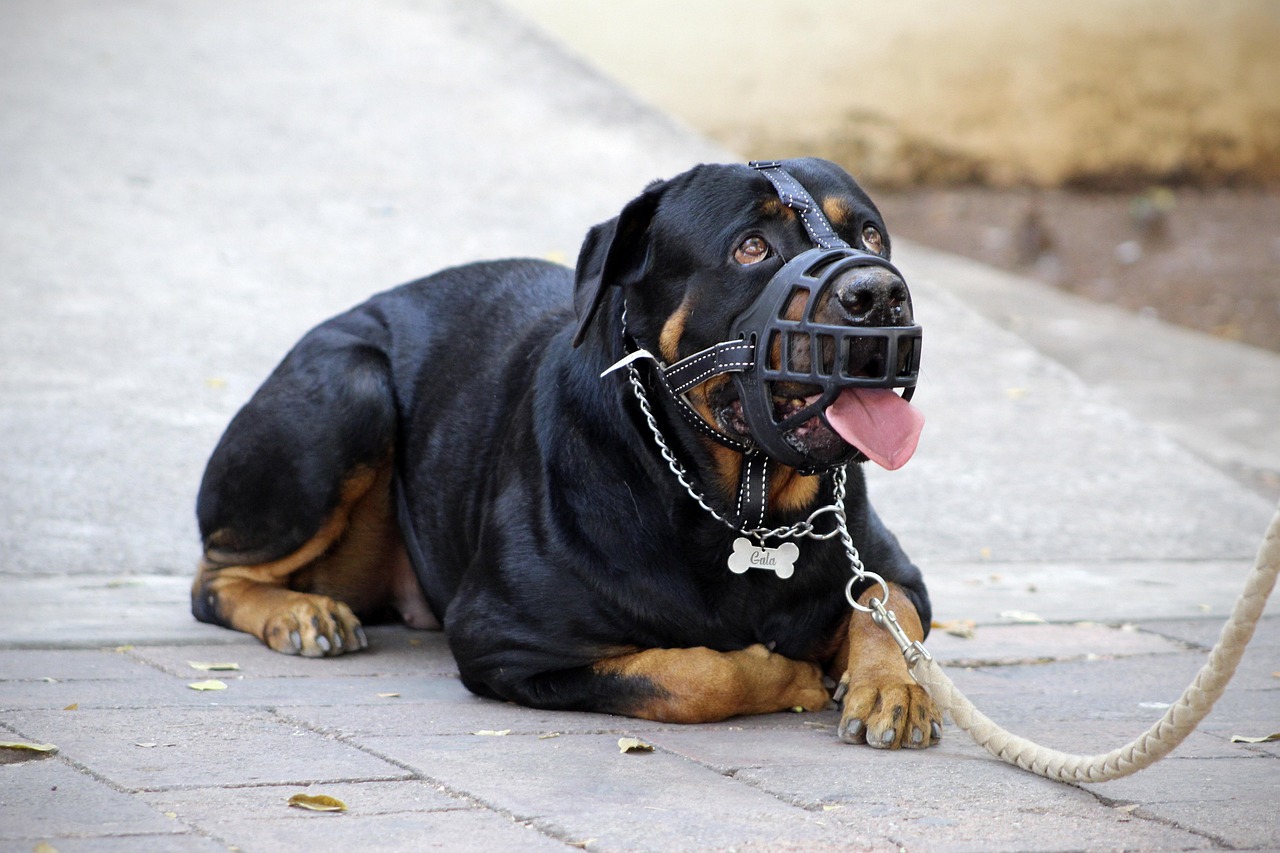
Emergency management techniques are also discussed with owners should an unexpected snapping incident occur. Trainers explain how to remain composed in such situations, guiding owners to prioritize safety. Understanding the correct response can prevent further escalation during an incident. For instance, trainers advise against yelling or punishing the dog, as those reactions may induce fear and exacerbate the snapping. Instead, the owner should focus on calmly ushering the dog away from the triggering situation. Moreover, trainers encourage the use of safety products, such as muzzles or leashes, in specific scenarios to prevent injury. Understanding the context of snapping is key; some dogs may snap out of pain or discomfort. Educating owners about recognizing signs of distress in their dogs allows for timely intervention and care. Trainers emphasize the importance of veterinary consultation if snapping appears to stem from a health issue. Providing appropriate relief can change a dog’s behavior significantly, improving quality of life. Learning simple emergency techniques equips owners to respond confidently, further instilling a sense of calm in their dogs and contributing to better management of existing or potential snapping behaviors.
Conclusion and Moving Forward
In conclusion, addressing snapping and nipping behaviors requires patience, understanding, and consistent training. Trainers utilize a combination of techniques tailored to individual dogs and their unique situations. Reinforcement of desirable behaviors, educational training for owners, and the gradual desensitization of triggers are all vital components of effective training plans. As a dog’s behavior changes positively over time, building a trusting, loving relationship will become more accessible. Developing a safe training environment allows for continued progress in overcoming snapping issues. Owners should remember that setbacks may occur; however, with a proactive and informed approach, they can navigate challenges effectively. The journey toward overcoming snapping can deepen the bond between humans and their canine companions. Through continuous support and professional guidance, both dogs and owners can thrive. Proper training resources and commitment will enhance the pet’s quality of life and integrate them into family dynamics harmoniously. Thus, seeking help from professionals when needed ensures the best results. By understanding the underlying reasons for snapping, implementing robust training methods, and fostering a supportive environment, lasting success can be achieved in tackling any snapping challenges that arise.
Ultimately, ensuring a positive transformation in snapping behaviors enhances the companionship experience. Dog trainers act as guides for owners, establishing significant changes in dogs’ behavior that promote better living. These professional techniques support dogs with snapping problems, enabling them to interact positively in various environments. Emphasizing trust, effective communication, and understanding the root causes of snapping shifts the interaction dynamic profoundly. Encouraging ongoing dedication from owners further fosters better behavior over time. Sharing success stories and feedback among clients forms a supportive community that encourages further advancements in safe training practices. As awareness increases about addressing snapping behaviors, more owners seek assistance to prevent future incidents. This proactive mindset cultivates an environment of learning and growth within dog-owner partnerships. With targeted techniques and consistent efforts, many dogs can lead lives free from the stigma of snapping. Trainers remain committed to guiding the journey, creating solid foundations for harmonious relationships between dogs and owners. Continuing education regarding canine behavior ensures both trainers and owners are well-equipped to address any challenges. Thus, investing time and resources into training creates rewarding outcomes for dogs and their families alike.