
How to Train Your Dog to Wait Outside Calmly
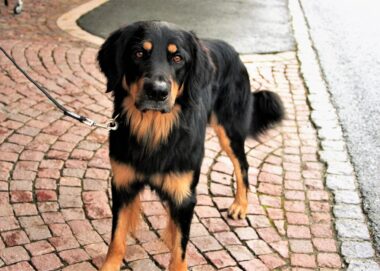
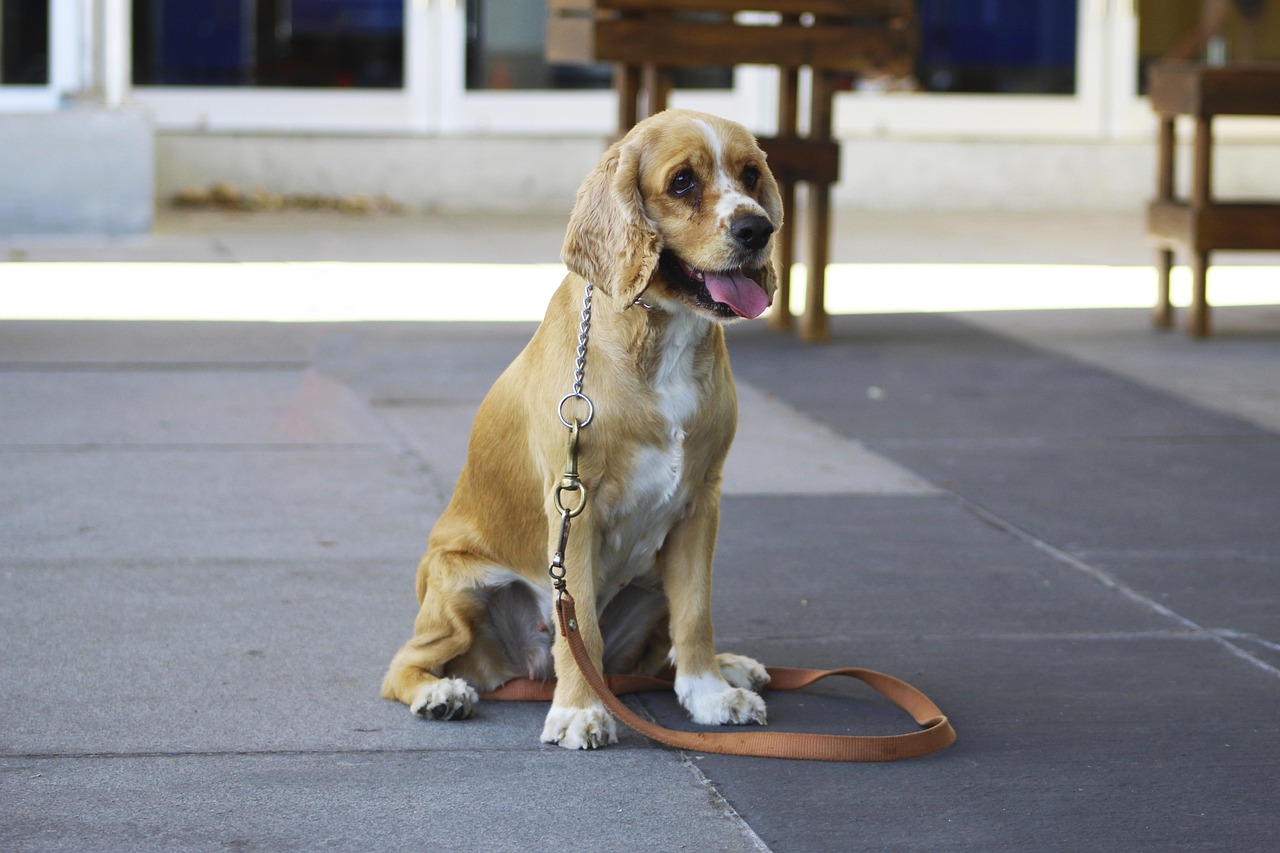
Training your dog to wait outside calmly is an essential skill for responsible pet ownership. This command helps manage your dog’s behavior, ensuring their safety and comfort. When introducing this command, remember to be patient and consistent. Start in a familiar environment such as your home and gradually extend the practice area. Begin by having your dog sit at the door while you prepare to go outside. Use treats to motivate them to wait patiently. Over time, increase the duration they have to wait before going out. Gradually introduce distractions, like other people or pets, to help them learn to concentrate on waiting, despite disturbances. This method reinforces their focus and confidence while waiting. Supplemental training aids could include a special treat or a toy that they can only have while practicing waiting. This makes the process fun and rewarding for them. The ultimate goal is to instill trust in your commands, ensuring your pooch is calm and composed when waiting outside.
Consistency is the key to successful dog training. Whenever you practice the wait outside command, use the same words and gestures each time. This predictability helps your dog understand what is expected of them. Initially, you’ll want to reward them immediately upon following your command with praise and treats. Always start with short waiting times and gradually increase them, enabling a positive experience. Be aware of your dog’s body language to gauge their comfort. If they seem restless or anxious, shorten the duration until they are more relaxed. In addition to treats, use verbal praise such as ‘good wait!’ to reinforce positive behavior. Gradually shift from treats to verbal reinforcement as they become accustomed to the command. It’s crucial to reward even the smallest successes to boost their confidence. In moments of failure, remain calm and avoid punishing your dog as this could lead to anxiety. Instead, redirect them gently back to the desired behavior and restart the training session if necessary. Over time, this positive reinforcement will lead your dog to become an expert at waiting patiently outside.
Creating a Positive Environment
Setting a positive environment is vital for effective training. Start by making waiting outside exciting and pleasant for your dog. Consider using their favorite toys to play with them after successful waiting periods. This way, they associate waiting with positive experiences. Play sessions can also serve as a reward after they’ve successfully waited outside. Make their waiting spot comfortable by using a designated mat or blanket, helping them feel secure. If they have a favorite outdoor distraction, use it as a reward for their waiting behavior as well. Keeping your training sessions short and engaging will help maintain their interest. Aim for multiple short sessions rather than one long session, as dogs typically have limited attention spans. Training should be a fun and enjoyable process. Avoid constant repetition of commands without positive reinforcement, as this leads to frustration. Always end on a high note by celebrating with your dog! This creates a feeling of accomplishment for both you and your dog.
Be aware of external elements that may influence your dog’s behavior during training. For instance, if you’re training outside, the weather or presence of other animals might distract them. Select quieter times for training, especially in the outdoors, like early mornings or late afternoons. As your dog learns to wait outside, gradually introduce them to more challenging or stimulating environments. This will help them generalize the command across different situations, ensuring their skills transfer beyond your immediate home. Practice with different people and animals around. This not only exposes your dog to diverse situations but builds their confidence too. It’s essential to keep a close eye on your dog during outings, ensuring they are not overwhelmed. If your dog exhibits anxiety or stress, reduce the distractions and build their skills back up slowly. Frequent practice and repetition make it easier for your dog to master the wait command in various situations. Remember, the objective is to foster patience while ensuring a safe and positive environment for you and your dog.
Using Clicker Training
Clicker training can be an effective tool for teaching your dog to wait outside. A clicker is a small handheld device that produces a sound, which you associate with rewards. Start by getting your dog acquainted with the sound of the clicker, clicking it right before providing a treat. Ensure they understand that the click means they’ve done something right. Once they respond to the clicker, it’s time to integrate it into the waiting command. When your dog stays calm and waits outside, promptly click and treat them. The timing of your click is crucial; it must be immediate to reinforce the action effectively. With consistent practice, your dog will begin to connect the sound of the click with their calm behavior. This positive association makes it much easier for them to learn the desired behavior. As they become more familiar with the sound, you can begin to phase out the treats, using the click as the primary reward. Continue to offer praise to maintain their enthusiasm and motivation throughout the process.
Addressing unwanted behavior is also a significant part of this training process. Sometimes dogs may feel anxious or restless while waiting outside. It’s vital to identify those signs early on—pawing at the ground, whining, or attempting to escape are all indications. If you notice these behaviors, redirect their attention immediately. Desensitization can be a helpful strategy; start by allowing them to wait indoors before progressing to the outside. Set achievable training goals based on their current behavior and increase difficulty as they improve. Additionally, if they become distracted easily, you might take a step back and ensure they can successfully wait in less distracting environments. Gradually build up to more stimulating settings as they gain confidence and comfort. Use positive redirection, such as engaging them with a toy or treat when they become restless. The aim is to create an environment where they feel secure and relaxed while waiting. A stable foundation facilitates a smoother learning process, reinforcing both the command and their behavior.
Reinforcing Calm Behavior
Reinforcing calm behavior is crucial for successful training of the wait command. Whenever your dog successfully waits outside without fuss, acknowledge their good behavior with a reassurance. This could be through a gentle pat, verbal praise, or a favorite toy. It’s essential for them to understand that calm behavior earns them rewards. If they become excited when you return, wait until they calm down before rewarding them. This helps teach them that calmness is the desired state. Avoid rewarding them during their excited state, as this can negatively reinforce the excitement rather than the calm behavior. Further, practicing deep breathing techniques can help you manage your own excitement and anxiety during training sessions. Your energy influences your dog’s feelings, and a calm approach fosters a better learning environment. If you remain relaxed, your dog is more likely to follow suit. Celebrating their successful training moments only after they’ve calmed down reinforces the importance of being composed while waiting. This way, your dog understands that patience truly pays off during their training.
Finally, always end training sessions on a high note, ensuring your dog stays motivated. Consider using varied rewards, such as tasty treats, praise, or activities they enjoy after successful training. Always stay patient and adaptable, as setbacks can occur during training. It’s vital to keep a positive outlook while reinforcing the wait outside command. Remember that dogs learn at their own pace, so don’t be discouraged if they struggle. Instead, modify your approach based on their progress. Encourage them gradually, break down the skills they need to learn, and celebrate every little success. This promotes a positive training experience for both you and your dog. The journey to train your dog to wait outside calmly can be long but incredibly rewarding. With perseverance, you will not only help your dog develop essential skills but also foster a strong bond between you. Keep their sessions fun and engaging while focusing on calmness and patience. This will lead to a well-behaved furry companion. In conclusion, with consistent training and love, your dog will learn to wait outside calmly and confidently.