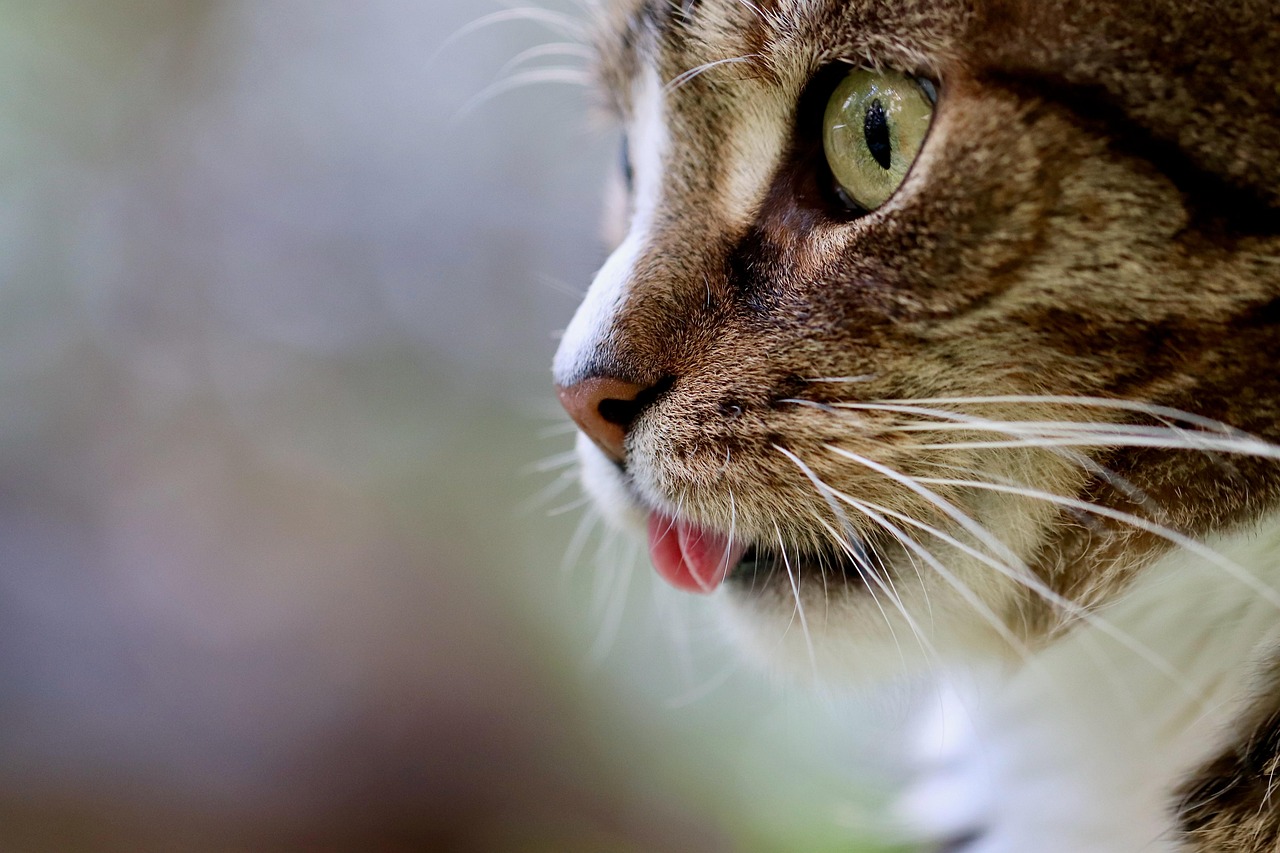

Socializing Your Cat Through Training Techniques
Socializing your cat is crucial for its well-being, as it fosters a positive relationship between your pet and its environment. Begin this process early, preferably when the cat is a kitten, as younger cats are more adaptable. Familiarize your cat with different sounds, people, and other pets. Gradually introduce new experiences to your cat rather than overwhelming them. Use treats to reward your cat during these exposures to reinforce positive associations with new environments. Consider hosting small gatherings to help your cat become accustomed to different individuals. When guests arrive, allow your cat to approach them rather than forcing interaction. This ensures your cat feels safe and in control. Observe your cat’s body language to determine when it’s comfortable enough to engage. Patience plays a vital role in this process. Cats may require extended time periods to feel at ease in novel situations. Ultimately, socialization will help your cat become well-adjusted and decrease anxiety-related issues. Regular, short training sessions can also strengthen social skills. Play is an effective avenue for interaction and bonding between you and your feline friend.
Understanding your cat’s behavior is essential for effective training. Cats communicate primarily through body language, vocalizations, and scent marking. Pay attention to your cat’s posture, physical signals, and sounds. For instance, a cat with a relaxed body is likely comfortable, while an arched back indicates fear or aggression. Utilize positive reinforcement techniques such as treats and praise to reward desirable behavior. This method effectively encourages your cat to repeat those actions. Avoid punishment, as it can harm the bond you share and lead to trust issues. Instead, focus on redirecting unwanted behaviors. For example, if your cat scratches the furniture, provide a suitable scratching post as an alternative. Enrich your home environment with climbing structures, toys, and interactive games that stimulate your cat mentally and physically. When properly exercised, cats are less likely to exhibit destructive behaviors. Engaging toys can help redirect energy constructively. Establish a consistent daily routine to promote a sense of security in your pet. Cats thrive on familiarity and predictability, making your training efforts much more effective with a structured approach.
Training Techniques to Build Confidence
Confidence-building is vital for socializing your cat effectively. Introduce safe areas within your home where your cat can retreat when feeling insecure. Gradually acclimate your cat to wider spaces and outdoor environments, but only with supervision. Start with short, low-stress outings to a quiet garden or patio. Always ensure that these experiences are positive. Use a harness and leash for added security during outdoor training. This allows your cat to explore safely while you maintain control. Expose your cat to various surfaces, textures, and objects to help develop adaptability. Use treats and praise when your cat confidently investigates new items. Consider offering clicker training as well, as this can enhance focus and reinforce good behavior. Cats respond well to this method, making it a playful way to teach tricks. Providing various stimulating experiences can significantly reduce fear in your cat. Group training sessions or playdates with familiar, friendly pets can also accelerate the socialization process. Remain actively engaged during these interactions, as your enthusiasm encourages confidence and comfort in new situations.
Creating positive associations plays an essential role in effective training. Introduce your cat to different sounds, such as the vacuum cleaner, television, or doorbell, gradually and positively. Rewards can help mitigate fear during these experiences. If your cat shows hesitance, go back to the previous step and offer treats to reinforce bravery. Consistent exposure to new sounds, with accompanying rewards, will help your cat become more desensitized over time. Starting with softer versions of these sounds also aids in easing your cat into the process. Additionally, scent plays a significant role in a cat’s environment. Utilize familiar scents from the home when introducing your cat to new spaces. Bringing a blanket or bed can make your pet feel secure. Use calming pheromone sprays as needed to reduce anxiety during stressful experiences. Regular outdoor excursions can greatly benefit your cat’s behavior and promote relaxation. Ensure your outings are low-pressure and pleasant. With time and patience, your cat will build positive associations with its surroundings. This process ultimately leads to a more adaptable and sociable pet.
Incorporating Playtime in Socialization
Playtime is a crucial component of socializing your cat effectively. Engaging in interactive play builds trust and strengthens the bond between you and your cat. Using toys that mimic prey, such as feather wands and laser pointers, can spark your cat’s natural instincts. Regular play sessions foster teamwork and communication, essential elements of social behavior. Allow your cat to lead during play sessions, as this encourages autonomy and reduces anxiety. Rotate toys to maintain your cat’s interest and engagement. Offering puzzle toys can stimulate your cat’s mind, helping to alleviate boredom-related issues. These toys challenge your pet mentally, promoting healthy behaviors. Social playdates with other friendly cats can also provide valuable experiences. Supervise these interactions to ensure safety and proper behavior. If your cat displays signs of anxiety, such as hissing or hiding, remove them from the situation. Offer your cat a quiet space to retreat and relax. Gradually reintroduce social situations over time, consistently rewarding your cat for positive behaviors. Remember that every cat is unique, and the pace of socialization should be tailored to suit their individual needs.
Training techniques to promote socialization should be varied and enjoyable. Incorporate routines that familiarize your cat with daily happenings, such as grooming and visiting the vet. Regular grooming can help develop your cat’s trust in you, which is essential for overall socialization. Gentle handling while brushing or petting promotes relaxation and reinforces the human-animal bond. Gradually expose your cat to different environments, such as new rooms or even new locations outside the home, ensuring each experience is positive. Enlist friends or family members to assist with socialization by helping introduce your cat to new faces. Teach your cat to approach them rather than hiding away. Use treats to encourage these interactions and reward bravery during engagements. Frequent exposure to diverse situations fosters adaptability and confidence in your cat. Consistent, short training sessions work best for maintaining your cat’s attention and interest. Group functions with other cat owners may also provide opportunities for socialization. Monitoring interactions with praise and rewards ensures a positive experience and social learning. Incorporating these methods leads to a more sociable, confident cat over time.
Conclusion and Ongoing Commitment
Ongoing commitment to training and socialization is essential for long-term success. Ensure a structured routine that includes regular play sessions, training activities, and social exposure. Cat owners must remain patient and understanding, as each feline has its own timeline for adjustment. Celebrate progress, no matter how small, as every step contributes to building a strong foundation. Continuous positive reinforcement shapes your cat’s behavior and encourages new social skills. Environmental enrichment plays a key role in keeping your cat happy and engaged. A stimulating environment prevents boredom-related behaviors, which can hinder socialization. Provide a range of toys, climbing structures, and cozy hiding spots to create an enriching atmosphere at home. Regularly review and adapt your training strategies as your cat grows. As new challenges arise, tailored approaches will help maintain positive socialization. Remember that the ultimate goal is to foster a well-adjusted, confident, and loving companion. Seek guidance from professional trainers or behaviorists for expert advice when needed. Investing time and energy in your cat’s social development will lead to a rewarding relationship and overall satisfaction for both you and your pet.