
Teaching Children How to Interact With a Dog Showing Play Aggression
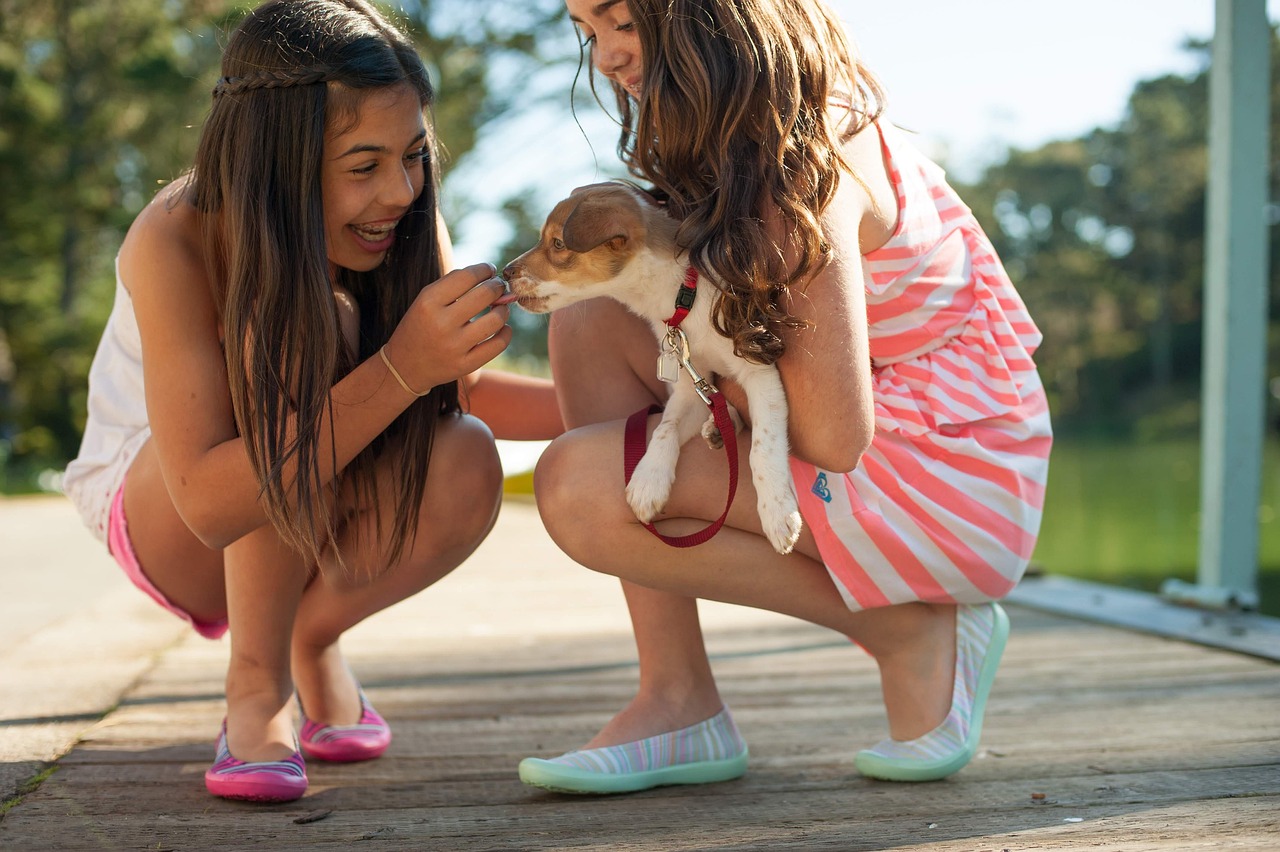
When children interact with dogs displaying play aggression, it is crucial for them to understand the animal’s behaviors. Observing body language is the first step in safe interactions. Dogs may show excitement through barking, growling, and playful lunging. Children should learn to recognize these signs, as they indicate a dog’s heightened energy level, making them playful rather than aggressive. To ensure safety, children should approach dogs calmly, allowing the dog to initiate the interaction. A happy dog may wag its tail and show a relaxed body stance. Teaching kids to interact in a manner that respects the dog’s personal space is essential. They should never invade this space without the dog’s consent. Encourage children to use gentle voices, positive reinforcement like treats, and to give the dog a chance to come close. It’s equally important for parents to supervise these interactions closely, as they set the example for appropriate behavior and ensure the child’s safety. Regular discussions about dog behaviors can build their confidence and understanding, making interactions more enjoyable for both dogs and children.
Moreover, children should be taught specific commands that can help manage play aggression. Encouraging kids to use commands like “Sit” and “Stay” can be incredibly beneficial. These basic commands may redirect the dog’s focus and calm them down during excited play. Implementing training games that reinforce these commands can also provide a fun and educational experience. Ultimately, establishing a bond between the child and dog through training strengthens their relationship. Children need to understand the concept of winning a dog’s trust as integral to nurturing a positive interaction. Engaging in play activities that involve rolling balls or tugging ropes can facilitate appropriate play between the child and dog. Ensure that children understand to stop playtime if the dog shows signs of overstimulation. A bored or tired dog might show undesirable behaviors as a result of excess energy. In such instances, the child should be taught to take breaks during play and allow the dog to rest. This fosters a safe environment and teaches children about the importance of listening to their canine friend’s signals.
Creating designated play areas where children can safely interact with dogs can significantly enhance playtime experiences. Moreover, this controlled environment helps in curtailing any potential accidents that may occur during interactions. In these spaces, both children and dogs can feel secure and free to explore their connection without interruptions. It’s beneficial to set ground rules for play. For instance, children should refrain from chasing the dog or wrestling. Instead, structured games can teach impulse control for both parties. When setting up a play area, including various toys encourages positive engagement while keeping the energy levels in check. In addition, having different toys available allows the dog to choose which one to play with, reinforcing positive behaviors. The presence of an adult during these play sessions not only provides supervision but also encourages conversations about the dog’s reactions and necessary adjustments in children’s behavior. Continual guidance helps solidify appropriate interactions and creates memorable experiences.
Importance of Positive Reinforcement
Implementing positive reinforcement is key when teaching children about interacting with dogs. This strategy encourages children to respond appropriately to canine behavior, ultimately leading to a more harmonious relationship. Reinforcement includes rewarding desirable behaviors, such as calmness or gentle interactions, with treats or praise. This technique can also be applied when the dog exhibits play aggression but redirects it safely. Children can be taught to recognize the difference between acceptable playfulness and overly aggressive behavior. For example, if the dog begins to play too rough, a gentle reminder to use softer motions should be encouraged. Reinforcement will motivate the child to adjust their approach consciously. Moreover, children must learn to celebrate small victories, whether it is having the dog respond to commands or sharing space calmly. This practice can build their confidence and understanding of canine behavior tremendously. Positive reinforcement also helps in teaching patience, as both the child and dog learn and grow together. Engaging in reward-based training activities fortifies the bond and paves the way for healthier interactions in the future.
Educating children about the risks associated with mishandling dog interactions is another vital aspect of their learning experience. It’s essential for them to know that not every dog will respond favorably to their overtures. There might be moments when a dog feels threatened or anxious, showing aggressive behavior as a result. Children need to understand how to exit the situation calmly and report back to an adult. This teaches them the importance of safety. It’s crucial that children feel empowered to identify signs of stress in the dog, which might include a tucked tail or growling. For example, if a dog stops playing and becomes agitated, it is a cue for the child to take a step back and pause the interaction. Sharing real-life stories about dog behavior can also ground their understanding, as they relate to the experiences of others. Distinguishing between good and bad approaches in dog behavior can benefit their social skills, both with dogs and in their interactions with peers.
Promoting Empathy and Respect
Helping children develop empathy and respect towards dogs is pivotal for harmonious interactions. They should be taught the significance of understanding a dog’s feelings. Encouraging children to observe the dog’s reactions, both positive and negative, fosters compassion. This practice helps them learn how to respond appropriately based on the situation. It also emphasizes that animals are living beings with thoughts and emotional responses, which mirrors human interactions. Sharing educational stories about dogs can enlighten children about these relationships, bridging an emotional connection. Activities such as reading or watching documentaries on dog behavior promote discussions about feelings, allowing children to reflect on their own emotions as well. Building this emotional intelligence can translate to real-life scenarios outside of dog interactions as well. Children who cultivate empathy are likely to develop better interpersonal skills with their peers. Certain games that involve questions about how the dog might feel in various scenarios can be entertaining ways for children to engage in discussion. Continuous reinforcement of these lessons yields more compassionate and respectful attitudes toward animals.
Lastly, establishing a routine for safe interactions allows children to know what to expect, reducing anxiety for both the child and the dog. Predictability in interactions aids in developing trust and security. A structured approach could include designated times for play, training, and bonding. This routine creates a fulfilling environment for both the dog and child, where expectations are clear. Incorporating variety in activities can also sustain engagement while keeping the training effective. For instance, alternating between play sessions and quiet bonding time can help ensure the child understands when to play nicely and when to relax. Each interaction can be enriching, contributing to a healthier relationship over time. Teaching children to enjoy different aspects of their interactions, from training to leisure moments, helps cement a positive experience in their memory. Through consistent exposure, they learn not only how to associate fun with dogs but also foster deeper connections built on mutual respect and understanding. This cultivation of trust and rapport is what leads to lifelong friendships between children and their canine companions.