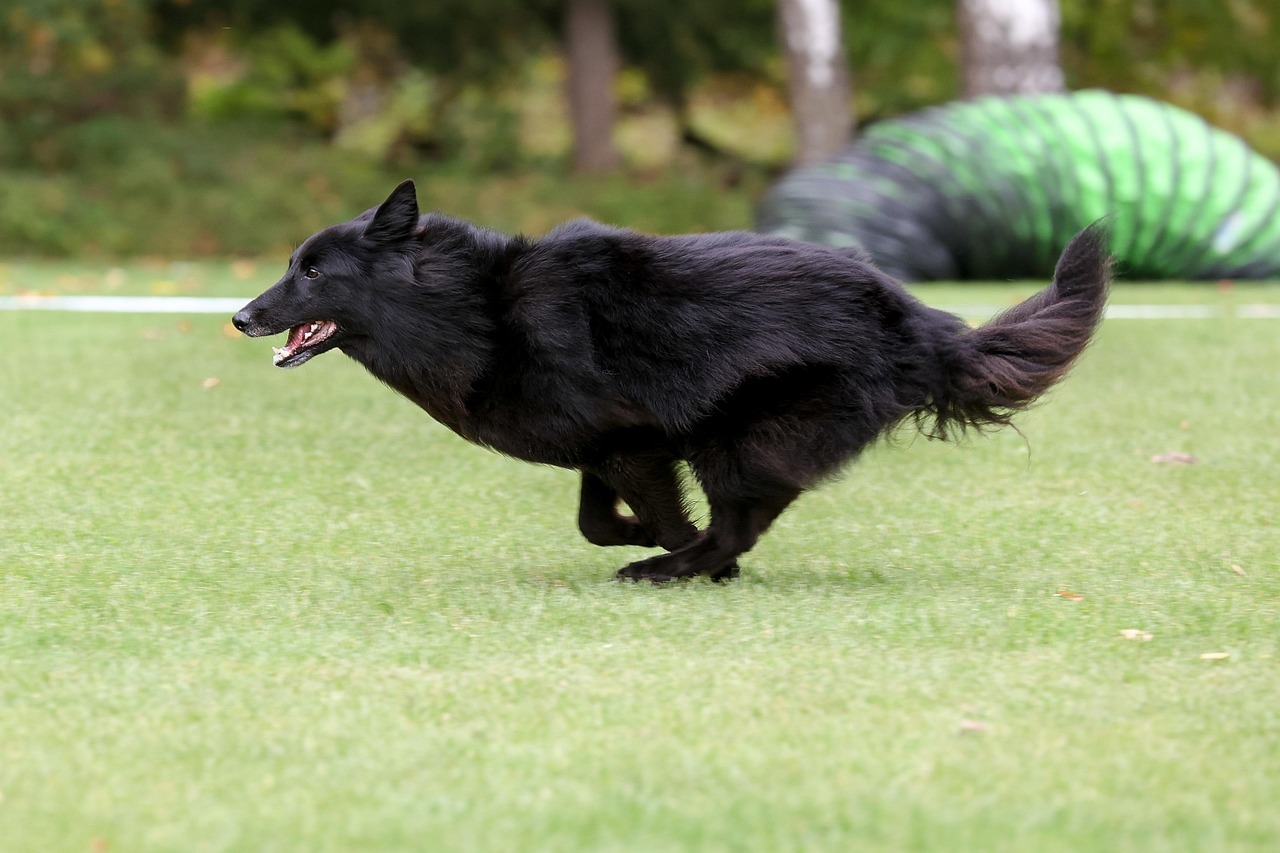

The Role of Weave Poles in Competitive Dog Agility
Weave poles are an essential component of competitive dog agility courses. They provide a challenging yet enjoyable exercise for dogs as they navigate through them in a precise manner. Training with weave poles enhances a dog’s agility, focus, and overall athleticism. By mastering this skill, dogs become more adept at responding to commands swiftly. During competitions, the effectiveness of weaving can significantly influence performance outcomes. Handlers must establish efficient communication with their pets while they maneuver through the poles. Properly set up weave poles create an exciting opportunity for dogs to showcase their abilities. Handlers drive their dog to zigzag through the poles, demonstrating teamwork, skill, and finesse. Consistent training with these poles helps strengthen the bond between a handler and their dog. Both participants learn crucial cues and signals that allow for seamless navigation through this pivotal agility challenge. Thus, incorporating weave poles into regular training routines is beneficial for both the mental and physical development of a dog. The more comfortable a dog is with weaving, the more confident they become. Confidence directly contributes to a team’s success in competitive settings.
In addition to building confidence, weave poles also increase a dog’s flexibility and coordination. As they weave left and right, they must balance their bodies, which assists in muscle development. Agility training allows dogs to exercise their athletic prowess and improves their capacity to engage in competitive events. Moreover, regular practice addresses different physical cues. Handlers must be skilled in recognizing when their dogs require adjustments in their positioning or speed. Some dogs may naturally excel at weaving, while others might need extra encouragement through patience and training. Weave poles challenge dogs of all breeds, sizes, and abilities, revealing their unique potential. Owners should always ensure they structure training sessions positively and reward their dogs for successes, regardless of size or breed. Additionally, combining weave pole training with other agility equipment can create a comprehensive exercise routine. This combination enhances both physical and mental stimulation, essential for a well-rounded agility dog. Dogs who learn to navigate weave poles often display increased enthusiasm for overall agility training. As dogs bond with their handlers through these sessions, their eagerness and performance in competitions improve drastically.
Choosing the Right Weave Poles
When selecting weave poles, it’s crucial to consider various factors that affect training efficiency. The height and spacing of the poles should cater to the dog’s specific size and skill level. Many dogs benefit from adjustable weave poles, which allow for modifications as they progress. The material of the poles also plays a significant role; flexible materials reduce the risk of injury during training. It’s essential to choose poles with a sturdy base, ensuring stability while dogs navigate through them without falling or losing balance. Additionally, brightly colored poles can enhance visibility, making it easier for dogs to differentiate their paths. Training sessions become more effective as dogs learn to adapt to various weave pole designs. Some trainers prefer using a set of rigid poles, while others favor pool noodles or softer materials for novice dogs. A successful weave pole training setup should emphasize safety, comfort, and engagement. Incorporating visual and tactile elements into dog agility training can result in a fun environment. Ensuring that dogs enjoy the challenges presented by weave poles will encourage them to participate enthusiastically in subsequent training sessions.
Creating a training environment conducive to learning weave poles involves implementing innovative techniques. Positive reinforcement is vital in encouraging desired behaviors in dogs. Offering treats or praise each time a dog successfully navigates through the poles helps solidify learning. Gradually increasing the poles’ difficulty encourages dogs to challenge their skills, promoting growth. Trainers must remain patient as they work with their dogs, adapting to individual learning styles. Some dogs learn quickly while others may require more time, so flexibility is necessary. Consistency in training schedules also plays an integral role; regular practice leads to improved performance. Trainers should ensure that all sessions progress at a comfortable pace and prevent burnout. Incorporating games may enhance a dog’s experience while honing skills. Connecting weave pole trials with play ensures that dogs remain engaged. Moreover, keeping sessions short and lively aids learning retention. Introducing friends or other dogs can create a fun atmosphere for more progress. Besides agility training, weave poles offer an excellent opportunity for socialization with other dogs and handlers.
Competition Readiness
Preparing a dog for competition involving weave poles requires focused training and a strategic approach. Handlers must work to establish a consistent routine that incorporates practice sessions alongside mock competitions. Understanding the rules of agility competitions is essential for both handlers and dogs. This knowledge enables them to anticipate challenges and perform optimally during events. Regular attendance at training groups or clubs enhances a dog’s experience and exposes them to various techniques. Handlers should also seek feedback from experienced competitors to refine their approach. Familiarity with different courses and weave pole setups helps build resilience in both dogs and handlers. Mock competitions can simulate the ambiance and stress of a real event while reinforcing skills in a controlled setting. During these trials, handlers learn to keep their composure, allowing their dogs to remain focused. It’s also important to have a well-thought-out warm-up routine to prevent injury before competing. Equipping dogs with the confidence they need to succeed can make a substantial difference in competitions. Finally, nurturing confidence and skill through dedicated training will prepare them for the exhilarating challenge of competition.
As dogs grow and develop their skills in navigating weave poles, many will experience gradual improvement over time. This remarkable journey encourages owners to celebrate small victories, keeping motivation high throughout training. It’s crucial for handlers to track their dog’s progress to identify areas needing extra emphasis. Consideration should be given to age, breed, and individual abilities when assessing progress. Experienced trainers often recommend maintaining a log or journal to detail each practice session’s outcome. Reflecting on sessions gives insight into what techniques yield success. Additionally, incorporating video recordings of training sessions can reveal valuable information for improvement. Handlers should also seek to enhance their own skills alongside their dogs. They might learn about understanding dog behavior, and communication, which can contribute to performance. This cooperative effort is essential for overall team success. Even some setbacks may occur during the training process, but persistence ultimately pays off. Dogs are remarkably resilient and will respond positively to consistent encouragement provided by their handlers. Ultimately, training for agility is a rewarding experience that strengthens the bond between dogs and their handlers.
Conclusion
In conclusion, weave poles are vital for developing a dog’s agility and overall skills. They better prepare both handlers and dogs for the challenges posed during competitions. Training with weave poles fosters essential qualities like focus, flexibility, and coordination, crucial for success in the agility world. Furthermore, weave poles cultivate a robust bond between dogs and their handlers, paving the way to a fulfilling partnership. As both parties engage in practice and competition, they share moments of joy and achievement. Handlers must explore various techniques and training methods with their dogs. Each performance will vary based on a team’s unique strengths. Therefore, remember to keep techniques dynamic and engaging, ensuring a continuity of enthusiasm. Sustainable growth over time transforms the experience into a meaningful journey, leading to improvements in agility and competition performance. Conclusion: dog agility is about teamwork, determination, and joy found in both training and competition. Responsible training can foster lifelong skills beyond agility, as dogs become resilient and adaptable companions in various facets of life.