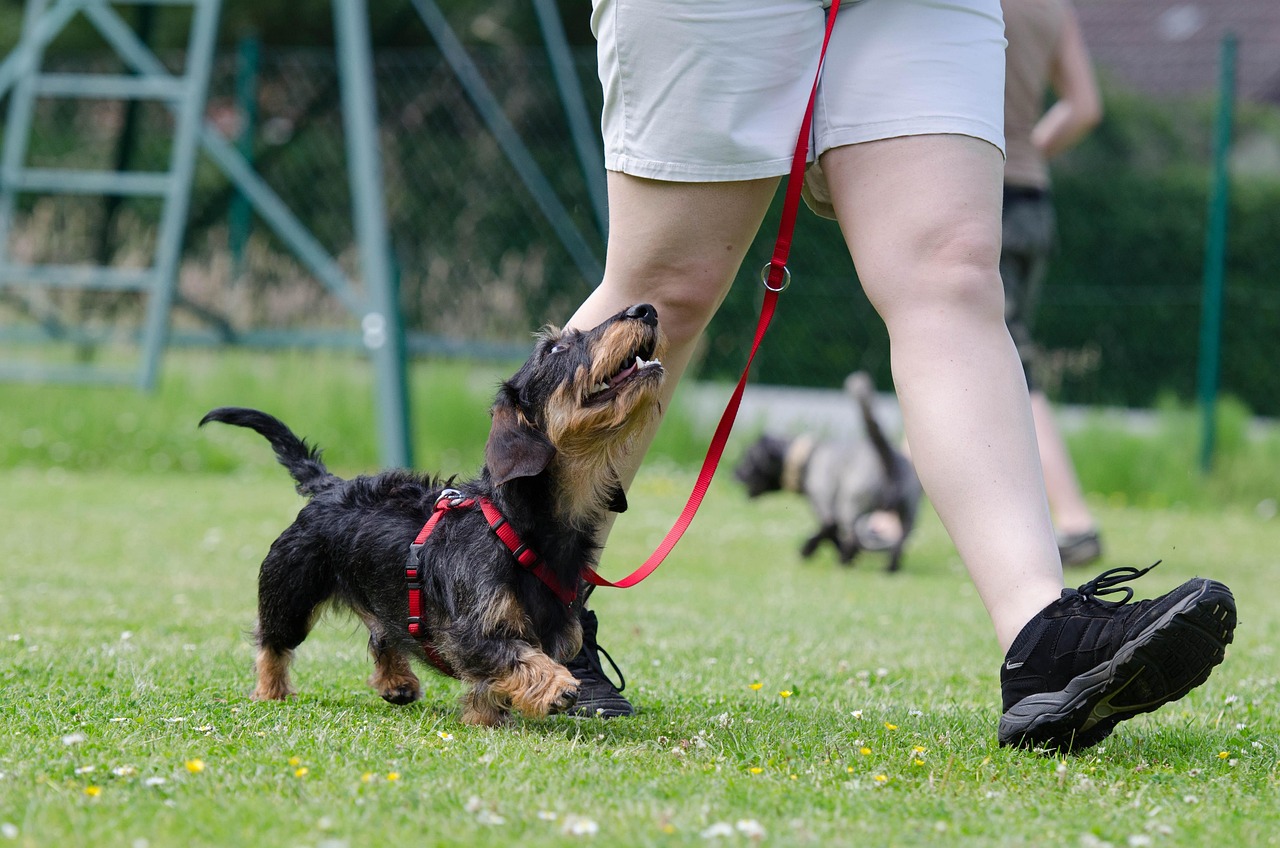

Using Training Apps to Organize Your Dog’s Routine
Managing your dog’s training schedule can be overwhelming without proper organization. Thankfully, the prevalence of technology provides us with training apps designed specifically for this task. These applications not only help owners keep track of their dog’s routines effectively but can also enhance the overall training experience. Users can set goals, record progress, and receive reminders about training sessions, ensuring consistency. It’s crucial to select an app that suits your needs, as different applications offer varying features. Many are tailored for specific training methods, such as positive reinforcement or obedience training. By leveraging these technologies, you can tailor your dog’s training to fit easily into your daily life. Additionally, some apps come equipped with community features that allow you to connect with other dog owners, share tips, and gain insights into effective training practices. The social aspect can be incredibly motivating, creating a supportive environment. Using these tools can significantly reduce the stress that often comes with dog training and ensure that both you and your dog remain engaged and productive throughout the learning process.
Establishing a Routine with Training Apps
Creating a robust training routine is fundamental for achieving success with your dog. Training apps excel at helping users build consistent schedules, which are vital for any behavioral adjustments. For instance, the ability to set reminders for walks, feeding times, or training sessions fosters a disciplined approach to pet ownership. Routine facilitates better habits for your dog, ensuring that they understand when to expect activities throughout the day. By inputting your dog’s unique needs into the app, you can customize the schedule for maximum efficiency. Most apps allow you to tailor the frequency and duration of training sessions based on your dog’s age, breed, and specific learning pace. Intriguingly, building a daily schedule doesn’t just benefit the dog; it also helps owners develop a sense of accountability. When training becomes a regular part of daily life, it reduces the likelihood of forgetting important tasks. Furthermore, the structured approach helps owners focus on reinforcing the positive behaviors consistently, which is crucial for long-term results. Routine ensures your dog remains engaged while gradually mastering new skills.
Tracking Progress with Training Apps
Another engaging feature of training apps is their ability to track progress over time. Not all dogs learn at the same pace, and having a visual representation of progress can be incredibly motivating. Most apps include interactive dashboards or charts to help visualize your dog’s development. This can prove incredibly useful in understanding which methods are working best. Apart from tracking training milestones, these apps can also remind you of previously completed tasks, so there’s no need to start from scratch. You can log the skills your dog has mastered after each session, including detailed notes on specific behaviors. By keeping a record, it becomes easier to identify trends and adjust training strategies, further refining your approach. For example, if your dog excels at basic commands but struggles with agility training, this information allows for targeted improvements. Tracking progress serves as a reminder of how far both you and your dog have come, which is quite encouraging. Moreover, sharing this progress with friends or fellow trainers can build a healthy community spirit. The positive reinforcement goes a long way!
Community Support within Training Apps
Many training apps establish a community platform facilitating interaction among dog owners. This aspect can enhance the training journey tremendously as it provides a support network. Engaging with others facing similar challenges can offer valuable tips, tricks, and real-life stories that resonate with your experiences. Communities often host forums where individuals can seek advice, ask questions, or share their successes, creating a rich resource for information. The ability to communicate with others can provide additional motivation, as many users cheer each other on during challenging times. Often, communities feature unique engagements such as group challenges or competitions, rewarding users for progress and improvements. These activities can intensify your commitment to training while making the experience enjoyable, turning a task into a fun challenge. Furthermore, discussing specific training strategies that worked can significantly enhance your knowledge base. These shared experiences are invaluable when looking to refine your technique or resolve common issues. Ultimately, if your app has a community feature, make the most of it to maximize your dog’s training potential.
Utilizing Multimedia Resources in Training Apps
Modern training apps often come equipped with multimedia resources designed to enhance the training experience. High-quality instructional videos provide visual guidance on how to perform certain commands or behaviors effectively. Alongside instructional content, many apps also offer articles, quizzes, or engaging challenges that help to reinforce training materials, providing a well-rounded approach to learning. Utilizing the multimedia capabilities will significantly aid in making complex commands seem simpler and more attainable. The various formats resonate differently with each individual, accommodating various learning styles among dog owners. For auditory learners, podcasts about dog behavior could prove insightful, while visual learners may prefer video tutorials that demonstrate techniques in action. Furthermore, some apps allow users to upload their videos for evaluation by trainers or community members, ensuring feedback and continual improvement. Engaging with multimedia tools can increase retention of training methods while helping you stay motivated throughout the process. Using various forms of content also helps keep your dog’s training sessions fresh and exciting. Interactive features maintain enthusiasm and encourage the learning of new skills without becoming monotonous.
Setting Goals with Training Apps
Effective dog training often revolves around setting achievable goals. Apps serve as practical platforms for setting both short-term and long-term objectives for your dog. Establishing these goals can help to provide direction and purpose to your training efforts. Various applications allow you to document these goals meticulously, ensuring you remember your targets. You can easily monitor progress toward each goal, adjusting training methods as needed. Furthermore, breaking down extensive goals into smaller, more manageable tasks allows you to celebrate success regularly. This consistent reinforcement through milestones fosters a positive environment for both the dog and owner. When you achieve small objectives, it builds momentum, motivating both parties to keep pushing for more significant accomplishments. Training apps often remind users of the goals set, serving as a motivation booster. Many individuals fail to follow up on their goals without dedicated reminders, making this feature essential for success. Recognizing your dog’s achievements reinforces positive behavior, ensuring that you remain engaged. Ultimately, goal-setting fosters a structured approach while enhancing the training experience for you and your dog.
Conclusion: Embrace Technology for Effective Dog Training
In conclusion, integrating training apps into your dog’s routine can greatly enhance the overall training experience. From establishing organized schedules to tracking goals and community engagement, the benefits are undeniable. By leveraging technology, you’re not only streamlining the training process but also creating a more fulfilling experience for your dog. Each feature within these apps can empower both owners and dogs, ensuring the training becomes a positive endeavor. Moreover, the ability to customize training schedules and utilize multimedia resources enriches learning opportunities. Engaging with communities further enables sharing experiences, which can only enrich the training journey. By tracking progress consistently and celebrating achievements, both owner and dog can thrive together. Furthermore, the supportive network can foster camaraderie and motivation as you navigate the nuances of dog training. It is crucial to remain committed and open-minded when adopting new technologies, ensuring you make the most of the available features. Embracing these tools can elevate your training methods, leading to a well-behaved dog who thrives in a structured environment.