
Early Socialization Strategies for Stray and Shelter Cats
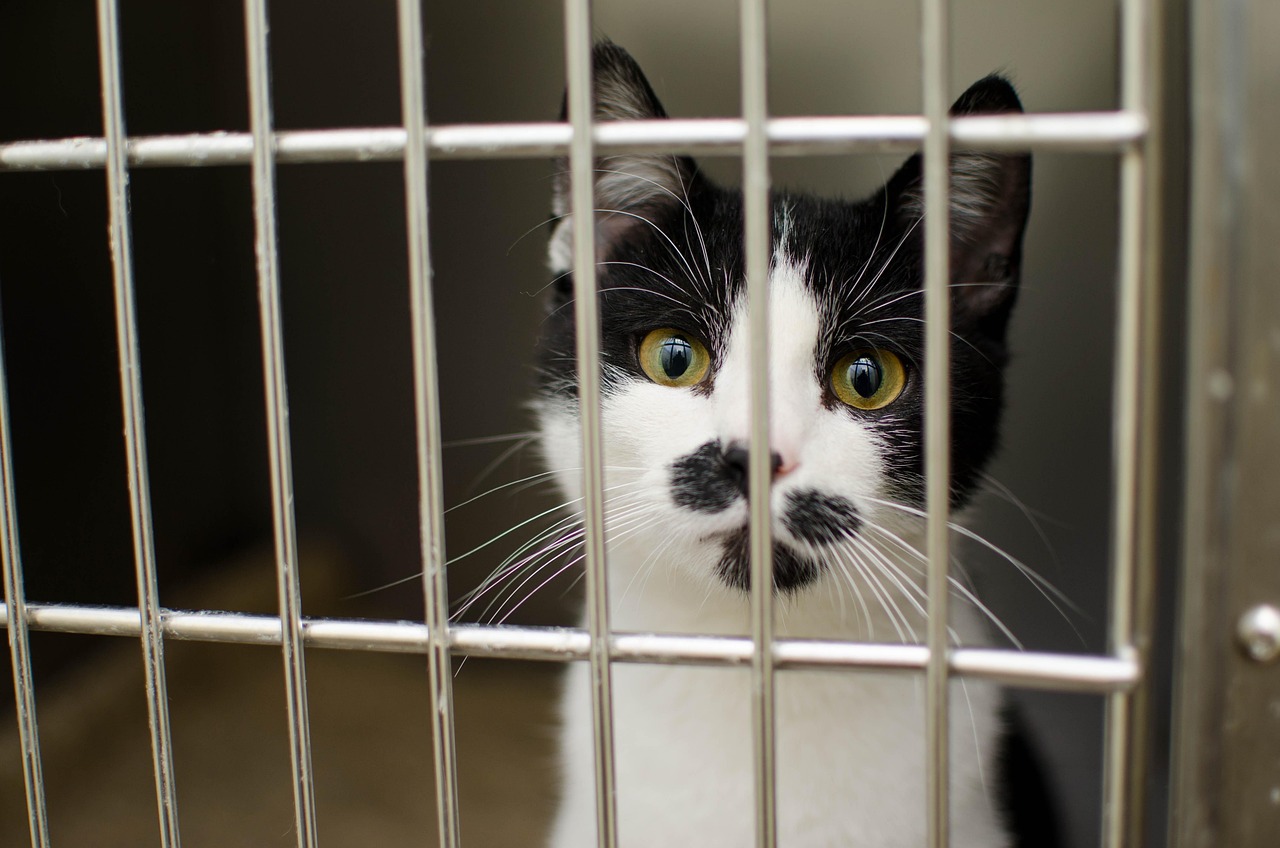
Socialization is crucial for stray and shelter cats as it enables them to adapt to a home environment successfully. Early exposure to various environments, people, sounds, and other animals helps reduce anxiety and fear. Such experiences allow cats to become well-adjusted, friendly, and confident companions. Various strategies can significantly enhance the socialization process, ensuring these cats have a higher chance of finding forever homes. As fostering cats often requires engaging techniques, volunteers, and shelters must be committed to utilizing effective methods. Routine interactions can create a balanced transition from isolation to sociability. Moreover, it is essential for staff and volunteers to understand feline behavior, which plays a critical role. They must recognize signs of stress and comfort. By addressing these aspects, they can provide a nurturing atmosphere for these sensitive animals. Thus, early socialization can truly impact the likelihood of adoptions. It assists in reducing the stress levels often associated with shelter life. These efforts are vital for enhancing their quality of life, fostering resilience, and promoting overall behavioral health in a home setting.
Introducing positive stimuli is essential when socializing stray and shelter cats. Gradual exposure to new experiences enables these cats to gain confidence and acclimate to various settings. It is important to use appealing rewards and treats during this process, creating pleasurable associations. Engaging activities can include playtime with toys, gentle petting sessions, and introducing new scents. One effective method is using clicker training, which reinforces desired behaviors. For instance, rewarding a cat after they explore a new section of a room can encourage further exploration. Additionally, creating a safe space within the shelter helps cats feel secure during initial exposure to new stimuli. These safe zones should contain familiar scents, cozy bedding, and favorite toys. Practicing low-stress handling techniques is another significant aspect. Using soft voices and slow movements minimizes fear responses, allowing cats to gradually build trust. Moreover, allowing cats to approach interactions on their terms is vital. Over time, these methods cultivate a sense of control and safety, paving the way for positive human interactions. Irregular exposure to different environments can also prepare these cats for future life beyond the shelter.
Building Confidence Through Routine
Establishing a daily routine contributes immensely to socialization efforts for stray and shelter cats. Predictability reduces anxiety and fosters trust between cats and humans, creating a comfortable environment. Establishing feeding times, play sessions, and even quiet times allows cats to gain familiarity with their surroundings, promoting stability. When cats know what to expect, they are less likely to react fearfully to new stimuli. This consistency helps them feel secure. Volunteering staff and caretakers should engage with the cats regularly, maintaining a positive demeanor throughout their interactions. Regular visits help create bonds, as cats become accustomed to the unique qualities of the volunteers. Staff should also showcase energy levels that resonate with the cats’ personalities. For instance, energetic cats may thrive on active play, while more reserved cats might prefer gentle engagement. Additionally, encouraging volunteers to share knowledge about individual cats can improve the adoption process. Understanding a cat’s likes and dislikes facilitates targeted socialization strategies tailored to individual needs. This approach enhances the chances of adoption, ensuring that each cat finds a suitable and loving forever home.
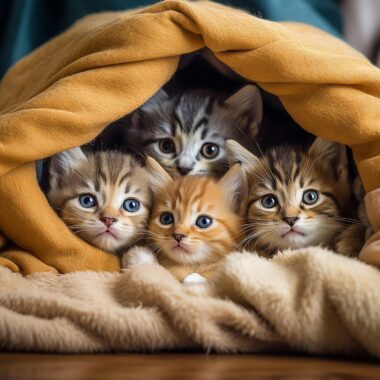
Group socialization can also be beneficial for stray and shelter cats. Introducing cats to one another in a controlled manner can help them learn valuable social skills. However, this should be approached with caution, considering the individual temperament of each cat involved. It’s vital to assess compatibility before allowing group interactions. Supervised playdates can help facilitate bonding and create an environment that encourages positive associations. Sessions can include toys, treats, and safe spaces to retreat if needed. Introducing group play can enhance confidence levels while teaching vital communication skills among felines. Additionally, as cats interact with one another, they learn to manage behavioral signals, which is essential for future interactions within a home. These experiences are invaluable as they mimic real-life situations where cats can encounter others in various settings. Ensuring a safe and positive group experience supports the overall socialization mission. It can lead to better behavior in the home environment, should the cats be adopted. Adopting stricter monitoring processes is also important to prevent stressful interactions that could hinder social development.
Utilizing Feline Body Language
Understanding feline body language is paramount in the socialization of stray and shelter cats. This knowledge helps caregivers recognize when a cat feels stressed or relaxed. Essential signs, such as tail position, ear orientation, and vocalizations, inform caretakers about a cat’s emotional state. For instance, a cat with a raised tail displays confidence, while a lowered tail indicates apprehension. Observing these signals assists in making informed decisions during socialization efforts. Furthermore, caregivers should educate themselves about the appropriate techniques to engage in cat interactions. For example, it is usually best to avoid direct eye contact, which can be perceived as a threat. Instead, using slow blinks can communicate trust. Additionally, offering a hand for sniffing can encourage a friendly greeting. Employing gentle, confident movements can significantly impact a cat’s willingness to engage. For optimal results, creating a supportive environment promotes healthy social experiences. Providing plenty of hiding spots and vertical spaces enhances a cat’s sense of security. This understanding of body language and behaviors is crucial to successful socialization, as it leads to safer and more enjoyable encounters.
Creating a positive association with humans is critical for the successful socialization of stray and shelter cats. Associating people with rewarding experiences is essential for overcoming any previous negative encounters. Effective methods can include offering treats, toys, and gentle strokes to establish trust. Caregivers should be mindful of their approach, ensuring that interactions remain low-pressure and friendly. Regular engagement helps cats learn that humans can be sources of comfort and fun. Moreover, understanding each cat’s individual personality plays a significant role in developing trust. Some cats may take longer to warm up than others, so patience is paramount. Providing consistent positive reinforcement encourages a sense of reliability, making it easier for the cats to approach humans willingly. Volunteer training programs can be beneficial in instilling the importance of these interactions. Educated staff who understand feline psychology can effectively guide their interactions, providing positive experiences tailored to each cat’s needs. Such dedication creates a foundation for improving social skills and contributes to the overall mission of ensuring stable, loving homes for stray and shelter cats in need.
Collaborating with Veterinary Professionals
Incorporating veterinary professionals into the socialization process of stray and shelter cats can enhance adoption rates. Their expertise in feline behavior plays a crucial role in identifying health-related issues that may affect social interactions. Regular hearings can ensure that cats are healthy, leading to reduced fearfulness and improved socialization efforts. Certain behavioral issues, such as aggressive tendencies or fear responses, may be linked to medical concerns. Addressing these health issues promptly is paramount for proper socialization. Moreover, veterinarians can offer guidance on the appropriate use of pheromone diffusers, which help reduce anxiety in shelter environments. These devices release synthetic pheromones that mimic natural scents, fostering a sense of tranquility among resident cats. Additionally, implementing vaccination and spaying/neutering programs helps cats adapt better socially, reducing territorial behaviors and increasing their chances of successful adoption. Collaboration between shelters and veterinary services creates a comprehensive approach that addresses the overall health and emotional well-being of the cats in their care. This partnership can lead to successful outcomes, ensuring that all strays and shelter cats become wonderful companions for families.
Conclusion: Promoting Lifelong Socialization
Early socialization is an ongoing journey that extends beyond the initial shelter experience for stray and shelter cats. It’s imperative to promote continued socialization efforts post-adoption, ensuring cats transition smoothly into their new homes. Families can play an active role in maintaining socialization practices by engaging in regular playtime, introducing them to various environments, and providing rewarding interactions with guests. Training classes can further empower pet owners and help develop a deeper bond between the owner and their cat. Knowledge about feline behavior allows families to recognize signs of distress and effectively address issues early on. Moreover, guiding families toward resources about fostering social skills can ensure lifelong adaptiveness. Regular vet visits can also contribute positively, ensuring the ongoing health of the cat. Continuous education about spiritual and social needs will promote a dependable and enriching environment throughout the cat’s life. Shelters and rescues should advocate for responsible adoption practices and provide follow-up support to families, guiding them through any challenges. By prioritizing ongoing socialization, we can ensure that every stray and shelter cat leads a happy, healthy, and fulfilling life.