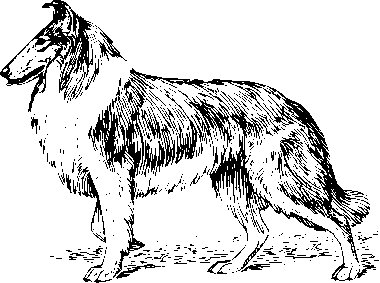

Home Remedies for Mild Excessive Panting in Dogs
Excessive panting in dogs can be a source of concern for many pet owners. This behavior can indicate various underlying issues ranging from heat exposure to anxiety. Understanding the causes of excessive panting is essential before attempting remedies. Always consult with a veterinarian to rule out serious health problems. For mild cases, there are several home remedies that can help manage your dog’s panting. One effective method is to ensure your dog stays cool, especially during hot weather. Offering fresh, cool water can also assist in reducing panting. Make sure your dog has access to shade or air conditioning. Additionally, creating a calm environment by reducing stressors can help alleviate excessive panting. This can include using calming music or aromatherapy. Providing regular exercise can also keep your dog relaxed, but avoid strenuous activities during hot days. Monitor your dog’s comfort level during activities and response to environmental changes. Learning to recognize when your dog is stressed can be essential. If panting persists, it is crucial to consult a veterinarian for further evaluation.
One important aspect to consider is hydration. Dehydration can lead to increased panting, so always ensure your dog has access to fresh water. Consider adding ice cubes to their water bowl during extreme heat as some dogs enjoy the sensation of cold water. Also, limit exercise during the hottest parts of the day. Instead, opt for walks early in the morning or later in the evening when temperatures are cooler. You can also freeze dog-safe treats to keep your pet engaged while staying cool. Another home remedy involves adjusting your dog’s diet. Incorporating cooling foods such as watermelon or cucumber can help lower the internal temperature of your dog. Be sure to chop these foods into bite-sized pieces for easy consumption. Moreover, establish a routine that includes regular breaks. Frequent rest during outdoor adventures will give your dog a chance to recuperate. Monitoring your dog’s behavior helps assess the effectiveness of these remedies. Keeping a watchful eye on your pet can help detect any signs of health issues before they escalate. Always stay vigilant and proactive about your dog’s health.
Calm Techniques and Environment Adjustments
Creating a calm environment is crucial for managing excessive panting. If your dog is prone to anxiety, consider using anxiety wraps or calming collars. These products can provide gentle pressure, making your dog feel secure. Transitioning to a more soothing environment may also involve using sound Therapy. Playing soft music or ambient sounds can help ease anxiety-induced panting. Additionally, ensure your home is quiet and free from sudden noises, which may contribute to your dog’s stress. Encourage relaxation by setting up a comfortable space with their bed and favorite toys. Establishing a routine can help your dog feel more secure and less anxious, reducing panting episodes. Make sure to introduce changes gradually to avoid overwhelming them. Another effective option incorporates positive reinforcement. Reward your dog with treats for calm behavior, reinforcing the desired response to their surroundings. Gradually, they learn to associate relaxation with positive experiences. Taking baby steps to improve your environment will create a positive impact on your dog’s overall mood. If panting persists despite these measures, it could signify a more serious underlying issue requiring professional help.
Behavior modification can also aid in reducing excessive panting. Engaging your dog in training sessions can provide mental stimulation that diverts their focus away from stressors. Techniques such as agility training or basic commands can be beneficial. Utilize positive reinforcement methods to encourage obedience and build confidence. For example, rewarding your dog for staying calm in specific situations will reinforce the behavior you desire. Gradually increase exposure to situations that trigger anxiety while maintaining a positive environment. If your dog fears particular sounds, like thunderstorms or fireworks, consider desensitization techniques. Playing recordings of these sounds at a low volume while providing treats can help them adjust. Over time, your dog may learn to remain calm during these events. Patience and consistency play a critical role in this approach. Moving too quickly may lead to setbacks, so always proceed at your dog’s pace. Should behavior modification techniques fail to yield positive outcomes, consulting a professional dog trainer or behaviorist may be necessary. They can provide tailored solutions based on your dog’s specific needs and behavior history.
Environmental Temperature Management
Managing environmental temperatures is essential when dealing with excessive panting. Providing a cool indoor space can drastically influence your dog’s comfort. Ensure windows are properly shaded during the peak heat periods of the day. Fans or air conditioning can keep the air circulating and pleasant. If you cannot provide indoor cooling, consider purchasing a portable cooling pad for your dog. These pads can help lower their body temperature, especially during naps. During outdoor time, set regular breaks in shaded areas where they can rest. Even a brief pause for hydration can make a difference. Ensure that your dog is not overexerting themselves; excessive play can lead to heat-related illnesses. Monitor signs of overheating closely, which often include excessive panting, drooling, or lethargy. Knowing when to intervene can save your pet from excess stress. Additionally, avoid walking on hot asphalt or sand, as this can burn their paw pads. Plan outdoor excursions around your dog’s comfort levels and pay attention to their cues. Arranging comfortable outdoor experiences ensures your dog is not just active but also healthy and happy.
Integrating bathing as a remedy for excessive panting may also work effectively. Bathing your dog with cool water can help lower their body temperature, especially after exercise. However, be cautious; too much bathing can lead to skin problems, so apply this method judiciously. Additionally, make bath time enjoyable by using dog-friendly shampoos scented with calming lavender or chamomile. These natural scents can help to soothe your dog while promoting relaxation. After bathing, ensure your dog dries off in a cool, comfortable spot, allowing them to relax. This creates positive associations with getting wet and helps them cool down effectively. Implementing a regular grooming schedule can also play a role in managing panting. Regularly brushing your dog’s coat helps remove excess hair and debris while providing comfort. Reduced heat retention would likely lead to less panting. Keeping dogs accustomed to grooming can make the process enjoyable for both of you. Always consider your dog’s specific coat type when deciding on grooming methods. For example, double-coated breeds may need stripping or professional grooming to maintain optimal comfort levels.
Monitor Health and Seek Professional Advice
Lastly, continuous monitoring of your dog’s health is critical in managing excessive panting. Be aware of any changes in behavior, energy levels, or appetite that could indicate underlying conditions. Identifying these changes early allows for timely intervention, ensuring the best care for your dog. Track the frequency and circumstances of panting occurrences to better understand patterns. Keeping a journal can help with discussions during veterinary visits. In cases where home remedies do not yield sufficient results, visiting a veterinarian is paramount. They can conduct thorough health assessments to rule out conditions such as respiratory issues or heart problems. Diagnostics such as x-rays or blood tests may be required. If a medical condition is diagnosed, the veterinarian can recommend appropriate treatment plans tailored to your dog’s specific needs. Do not hesitate to reach out for professional help when needed. Addressing excessive panting is essential for both the comfort and quality of life of your furry friend. Actively participating in your dog’s health ensures they remain happy and healthy for years to come.
Excessive panting in dogs can be a source of concern for many pet owners. This behavior can indicate various underlying issues ranging from heat exposure to anxiety. Understanding the causes of excessive panting is essential before attempting remedies. Always consult with a veterinarian to rule out serious health problems. For mild cases, there are several home remedies that can help manage your dog’s panting. One effective method is to ensure your dog stays cool, especially during hot weather. Offering fresh, cool water can also assist in reducing panting. Make sure your dog has access to shade or air conditioning. Additionally, creating a calm environment by reducing stressors can help alleviate excessive panting. This can include using calming music or aromatherapy. Providing regular exercise can also keep your dog relaxed, but avoid strenuous activities during hot days. Monitor your dog’s comfort level during activities and response to environmental changes. Learning to recognize when your dog is stressed can be essential. If panting persists, it is crucial to consult a veterinarian for further evaluation.