
How to Keep Your Dog Calm and Posed Indoors
Indoor photography can be a joy, especially when capturing the charm of your dog. However, getting your dog to remain calm and posed can present a challenge. To help your canine feel comfortable, create a cozy environment with familiar items like their favorite bed or toys. Ensure the area is free from distractions such as loud noises or sudden movements, which can startle them. You might also consider using a calming spray or pheromone diffuser to soothe their nerves. It’s essential to choose the right time for your shoot when your dog is naturally more relaxed, such as after a long walk or play session. Additionally, employing the use of a leash may help keep them in place while you adjust settings on your camera. Reinforcing positive behavior with treats or their favorite snacks can also encourage a calm demeanor. By establishing a tranquil atmosphere, you are more likely to capture the essence of your dog, resulting in beautiful photographs that tell a story of comfort and love. Remember, patience is paramount during the shoot, so take your time and enjoy the experience together.
Establishing a routine is crucial for indoor dog photography. Dogs typically thrive on consistency, so making sure to incorporate a shooting routine can prove beneficial. Start by training your dog to recognize specific cues that indicate a photoshoot is about to take place. Use commands such as “sit” or “stay” to encourage their cooperation when getting into position. Practicing these commands can turn the session into a fun activity rather than a stressful ordeal. Always ensure that your camera settings are ready before calling your dog, as this helps minimize waiting time. Try to keep the duration of the shoot brief to maintain your dog’s interest. When you observe your dog getting restless or disinterested, break up the session with playtime or walk breaks. This approach maintains their enthusiasm and refreshes their mind, making them more receptive when you resume photography. It can be helpful to keep your camera and equipment nearby, so you can capture spontaneous moments of delight, which are often the most heartwarming. Remember to celebrate their efforts and release them from formal poses with ample praise and rewards, adding to a positive experience for both of you.
Choosing the Right Location and Lighting
Location plays a significant role in indoor dog photography, affecting both mood and the photographs quality. Look for spaces in your home that provide ample natural light, such as near windows or doors where sunlight pours in. Soft, diffused light is generally best as it minimizes harsh shadows and emphasizes your dog’s features. Ensure to control the light by avoiding direct sunlight; instead, wait for overcast days to capture diffused lighting, which creates a soft, even look. If natural light is limited, be prepared to use artificial lights cleverly positioned to replicate natural sunlight. You can also experiment with reflectors to bounce light toward your dog, providing that magical glow that enhances the photograph. Keep the background of the shot clean and uncluttered, distracting colors can divert attention from your beloved pet. Arranging your dog’s space with soft blankets or simple props can enrich the scene, adding a touch of personality. Don’t forget to adjust your angles; shooting from a dog’s perspective can capture authentic emotions and expressions, resulting in stunning, memorable photographs that resonate with viewers.
Utilizing positive reinforcement is vital during indoor dog photography sessions. This method not only keeps your dog engaged but also helps establish a bond between you two. Prepare a bag of treats before the session begins, ensuring your dog associates posing with rewards. You can also use toys or their favorite squeaky to capture their attention. When your dog responds well to your commands, shower them with praise such as, “Good boy!” or “You look so cute!” This verbal encouragement builds their confidence, making subsequent poses easier. It’s essential to maintain an upbeat attitude to boost their mood, as dogs are highly sensitive to human emotions. Redirect their focus away from distractions by frequently using treats or toys, which can keep them excited about staying in frame. When they cooperate, be sure to offer lots of physical affection as an added reward. Taking breaks during the session allows your dog to gather their energy and relax, thereby creating a more enjoyable atmosphere. The combination of patience, encouragement, and rewards will help you achieve wonderful indoor portraits while ensuring your dog feels happy and secure.
Camera Techniques for Stunning Portraits
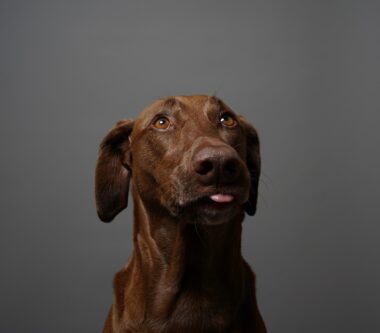
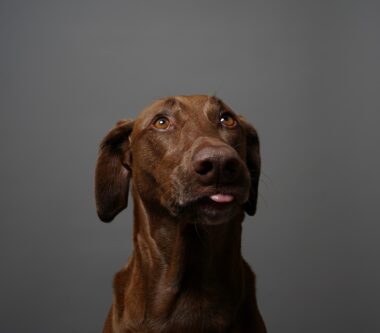
Mastering camera techniques can elevate your indoor dog photography to new heights. Familiarize yourself with your camera settings before the shoot and practice taking pictures in similar conditions. Using a higher ISO can be beneficial in low-light situations, allowing for brighter images without requiring a flash that may scare your dog. Opting for a wide aperture will create beautiful depth of field, making your dog the focal point of the composition. Effects like bokeh can soften the background, emphasizing your dog’s features while eliminating distracting elements. Experiment with different angles and compositions, as capturing your pet from various perspectives can yield striking results. Remember to use continuous shooting mode, which enables you to take rapid bursts of photos. This technique ensures you capture those delightful, candid moments as your dog moves. Don’t hesitate to engage with your dog while photographing; this interaction can elicit genuine emotions and natural poses. Prepare to be flexible, as your dog may have its own agenda, leading to unique imagery you wouldn’t have initially considered. The goal is to have fun while showcasing your dog’s personality authentically.
Editing your photos is the finishing touch that enhances your indoor dog portraits, bringing out the best qualities of your furry friend. Using editing software, such as Lightroom or Photoshop, can drastically improve your images’ appeal. Start by adjusting exposure, contrast, and color balance to make your photos vibrant. Be careful not to over-edit, as preserving your dog’s natural appearance is essential. Cropping can improve composition and focus, drawing attention to your pet’s eyes and expression. Additionally, consider adding filters for a creative flair, as they can evoke specific moods and compliment your dog’s character. Pay attention to the details as well: sharpening the eyes can create engaging focal points, enhancing the viewer’s connection with your photos. If you have background distractions, resort to slight blurring techniques to keep the focus on your dog. Remember, practice makes perfect – the more you edit, the more confident you will become in producing stunning images. You want the final outcome to reflect the personality of your dog, capturing the essence of your love for your furry companion in a photograph that will last a lifetime.
Final Thoughts and Inspiration
Indoor dog photography can be an enriching experience for both you and your pet. Remember that patience, practice, and positive energy are your best allies when capturing those coveted shots. Each dog is unique, so adapting your approach based on their personality and preferences is essential. Allow room for spontaneity during sessions; some of the best moments occur when you least expect them, showcasing your dog’s true character. Don’t forget to document their growth and stages of life, as every memory captured is a treasure. Sharing your photographs with friends, family, or on social media can inspire others to embark on their own pet photography adventures. As you explore different techniques and styles, consider creating a mini portfolio to track your progress and celebrate your achievements. Joining online communities or local groups with fellow dog photography enthusiasts can provide support and additional tips. Finally, remember to cherish these moments with your furry friend, as they are fleeting. Embrace the journey of learning and enjoy the time spent capturing beautiful photographs of your beloved dog.
The joy of indoor dog photography lies not only in the final images but also in the moments you share with your furry friend. Keep these tips in mind as you hone your skills and create lasting memories. With a blend of patience, love, and enthusiasm, you’ll be well on your way to capturing the adorable essence of your dog in stunning indoor photographs. So grab your camera, put on your photographer’s hat, and take these cherished memories with you into the future.