
How to Prepare Your Puppy for Visits to the Vet
Choosing a veterinarian for your puppy is a critical decision that can significantly impact their health and well-being. Your puppy will need routine check-ups and vaccinations, making it essential to find a professional who understands both animals and your specific breed. Start by asking friends or family for recommendations; personal experiences can guide you to great options. Once you have a few names, research their qualifications online. It’s crucial to check their credentials, as a licensed veterinarian ensures your puppy receives appropriate care. When contemplating a vet, consider their clinic’s location and their hours of operation, as these factors can contribute to your overall convenience. Ensuring the clinic is close by also makes visits easier, especially during emergencies. Lastly, set up a preliminary meeting. This way, you can assess the clinic environment and the vet’s willingness to answer your questions. Observing how the staff interacts with the animals can offer valuable insight into the kind of care your puppy will receive. Veterinary visits should be a positive experience to establish trust between your puppy and the vet.
Once you have chosen a veterinarian, preparing your puppy for their first visit can greatly enhance their comfort level. Early socialization is essential, as it helps reduce anxiety in various situations. Begin by familiarizing your puppy with handling and gentle restraint, as this will be common during veterinary check-ups. Let them get used to being touched on their paws, mouth, and ears. Utilize treats and positive reinforcement during these sessions to create positive associations. Begin practicing car rides, taking your puppy on short trips around the neighborhood or to pet-friendly locations, helping them become accustomed to the vehicle environment. Consider bringing along a favorite toy or blanket that smells familiar. When entering the veterinary clinic, remain calm and positive; your emotions can influence your puppy’s demeanor. Allow them to explore the waiting area, and reward them with treats for exhibiting bravery. Encourage interaction with the staff, as friendly faces in this new environment can help alleviate stress. Remember, the goal is to create a stress-free atmosphere to facilitate a positive veterinary experience. Each visit will help your puppy learn that the vet’s office is a safe place.
Essential Items to Bring to the Vet
When preparing for your puppy’s visit to the vet, it’s essential to gather important items that can help with the appointment and overall experience. Begin by bringing any previous health records, including vaccination cards, documentation of prior illnesses, and treatment notes. This information is vital for the veterinarian to understand your puppy’s medical history and assess their needs accurately. Additionally, pack a leash and collar, ensuring they fit comfortably, as safety during the appointment is paramount. Bringing along your puppy’s favorite blanket or toy can offer comfort and familiarity amid new surroundings. It’s also a good idea to prepare a list of questions or concerns about your puppy’s health, as discussing these can help address any issues early. Consider packing some treats to reward your puppy after the visit, reinforcing good behavior at the vet. If you have a specific diet for your puppy, mentioning this to the vet will assist them in giving tailored recommendations. Being well-prepared will ensure a smooth experience for both you and your puppy. The more organized you are, the more efficient the visit will be.
After arriving at the veterinary clinic, ensure that you stay calm, as your feelings can significantly influence your puppy. As you check-in at the front desk, allow your puppy to explore their surroundings—this exploration may help ease any initial fears. While waiting, let your puppy interact with different surfaces, sounds, and smells present in the clinic to foster desensitization to such environments. While you wait, try to maintain a relaxed posture and speak gently to your puppy; this will help them feel more secure. Take the time to observe other pets and pet owners, reminding your puppy that they’re not alone in this setting. If your puppy appears nervous or agitated, utilize gentle petting or toys to distract and soothe them. When you hear your puppy’s name called, remain positive and enthusiastic. Your assuredness can help reduce the apprehension they might feel about entering the examination room. Lastly, remember that allowing your puppy to investigate the vet office can help demystify the experience. By making the visit a distraction rather than a stressor, your puppy will carry positive associations from the very first visit.
What to Expect During the Veterinary Visit
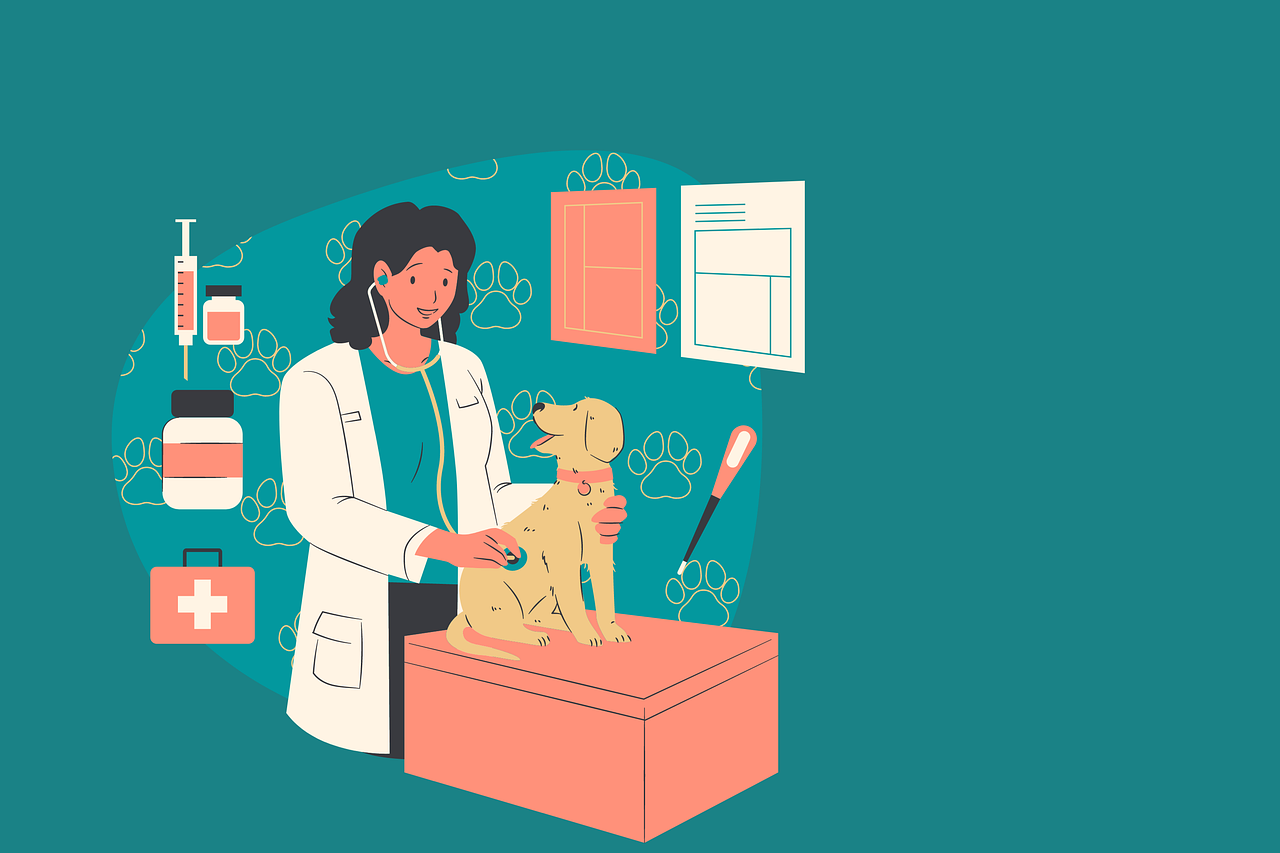
During the veterinary visit, your puppy may undergo various examinations and assessments, creating a comprehensive health profile. Initially, the vet will check your puppy’s weight and temperature to establish a baseline for future visits. Following that, a physical examination will take place, assessing your puppy’s overall condition, including coat quality, skin integrity, and dental health. Watching your puppy interact with the veterinarian can help gauge their comfort level; a calm, gentle vet will positively impact your puppy’s experience. If applicable, your puppy may also receive vaccinations during this visit, crucial for preventing contagious diseases. Be sure to ask your veterinarian about any side effects or aftercare needed following vaccinations. They may also provide recommendations for parasite prevention, including flea and tick treatments, as well as heartworm medications. Don’t hesitate to discuss transitioning to a solid diet or any behavioral concerns affecting your puppy. Open communication is critical in ensuring your puppy receives the most appropriate care. Always remember that it’s normal for puppies to be nervous during their first visit, but with proper preparation, this anxiety can quickly diminish.
After the vet visit, it’s essential to continue creating positive associations with your puppy’s experiences at the clinic. Be sure to reward your puppy with treats, praise, or playtime after each appointment. This method reinforces the idea that veterinary visits can lead to positive outcomes. Monitor your puppy’s behavior following the visit, noting any changes or reactions, especially after vaccinations. Should any unusual symptoms arise, such as lethargy or swelling, contact the veterinarian promptly. Consistent, follow-up visits are vital to monitor your puppy’s health and ensure they are progressing correctly. Establish a vaccination schedule with your veterinarian, as this helps you keep up with all necessary treatments. Good communication regarding your puppy’s growth and development is key to fostering their health in the long term. Share any concerns regarding diet, exercise, and socialization during these appointments. Document your puppy’s progress over time to reflect on changes and improvements. Understanding what offers them comfort during exams will help make the overall process more manageable for you and your puppy in the future.
Conclusion: Creating a Lasting Bond
Preparing your puppy for vet visits contributes significantly to their overall well-being, creating a lasting bond between your puppy and the veterinarian. Establishing trust from the outset ensures that your puppy views veterinary care as a part of their life rather than a source of anxiety. By choosing the right veterinarian, preparing your puppy, and fostering positive experiences, you set a solid foundation for your puppy’s health. It also allows for open communication about any emerging concerns as they grow, ultimately reflecting your commitment to their care. Maintaining regular health check-ups establishes a routine, enabling you to track growth and behaviors effectively. Each vet appointment reinforces the notion that they are safe and secure, instilling confidence in a potentially stressful environment. As your puppy matures, establishing trust will lead to a lifetime of healthy habits, encouraging timely visits and remain a key focus moving forward. Always be proactive regarding your pet’s health, familiarity with their needs, and any potential changes. Remember, a trusted veterinary relationship is built on good communication and a genuine concern for their well-being.
This is another paragraph with exactly 190 words…