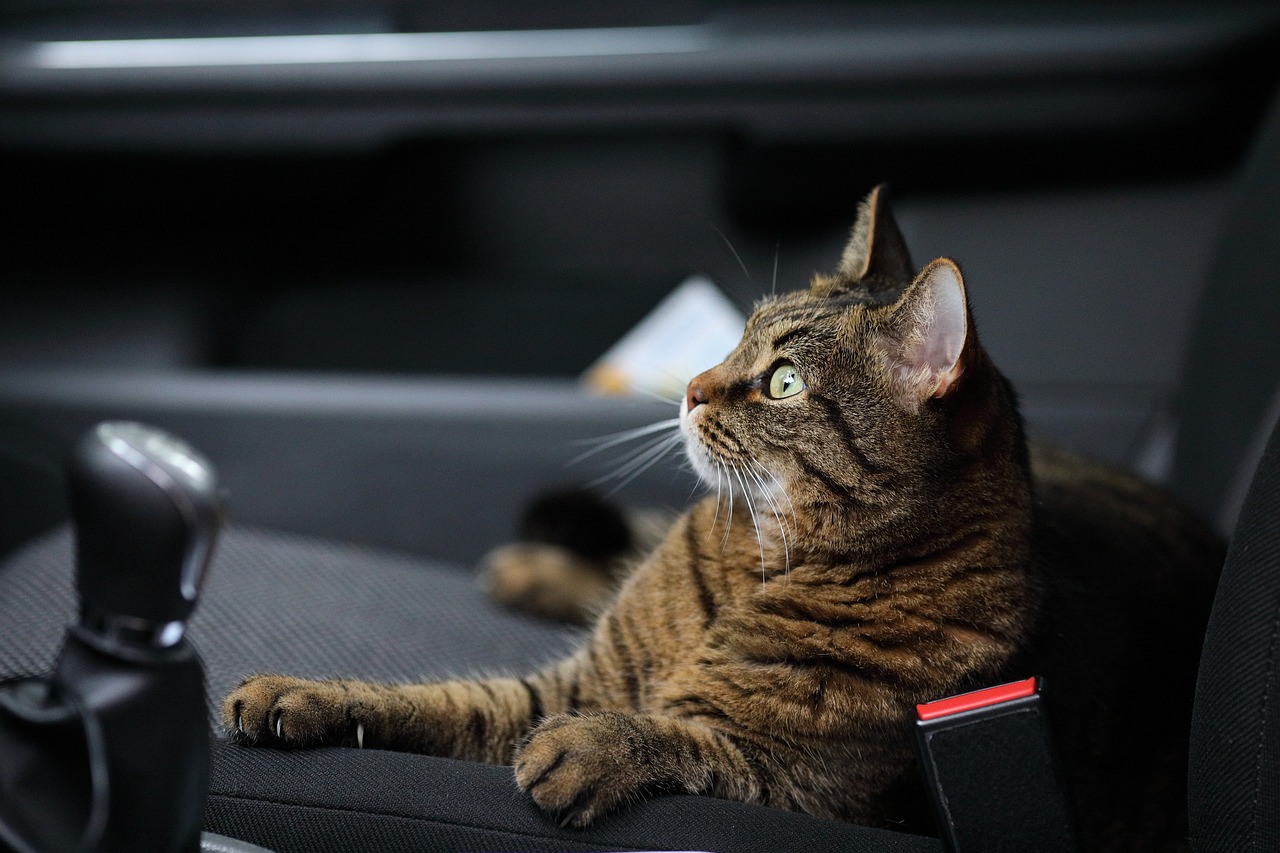

How to Secure Your Cat Properly in the Car
Traveling with your cat can be an enjoyable experience if done correctly. However, ensuring your feline’s safety during car rides is critical. Many people underestimate the risks of traveling with an unsecured cat. An unrestrained cat can easily become a distraction, leading to potential accidents. Cats can also jump into the driver’s area, putting everyone in danger. Thus, securing your cat in the vehicle is not an optional task but a necessity. Before embarking on your journey, familiarize yourself with the various types of restraints available for cats. Some owners prefer traditional carriers, while others opt for cat seat belts. Each method has pros and cons, and understanding these helps you make an informed choice for your journey. A well-ventilated carrier keeps your cat comfortable and safe during transportation. Ensure that the carrier is sturdy and secured in place. It should not slide or tip over in the event of a sudden stop. Additionally, familiarize your cat with the carrier at home before travel day so they feel safe. Confidence in their surroundings is vital for minimizing stress.
When planning a road trip or even a short drive, it’s important to prepare your cat for the journey ahead. Prior to traveling, take several steps to ensure that your furry friend will be comfortable and secure. Start by acclimating them to the carrier in advance. Leave the carrier open in the home for exploration. Offering treats and toys inside the carrier can encourage positive associations. Once your cat is comfortable, practice short car trips to help them adapt to the motion and sounds of the vehicle. This gradual exposure is crucial for a stress-free travel experience. On the day of your trip, make sure to pack essential items in a travel kit for your cat. Include their favorite blanket, water, and food bowls, as well as any medications. Keeping their things organized makes it easier to access what you need during breaks. Consider packing a small litter box for longer travels where stops may be limited. Keeping your cat’s environment consistent during travel can reduce anxiety and promote calmness. Overall, preparation is key for safe and enjoyable car travel with your beloved feline friend.
Choosing the Right Restraint
Selecting the best restraint for your cat is essential. Both car harnesses and carriers offer their own unique benefits and downsides. With a harness, ensure it’s specifically designed for cats, as this provides the best fit and security. A properly fitted harness allows your cat freedom of movement while keeping them secure. On the other hand, cat carriers are typically safer in the event of sudden stops or accidents. This protection reduces the risk of injury significantly. When using a carrier, it’s recommended to strap it securely with the car’s seatbelt to prevent sliding. For additional assurance, ensure the carrier is well-ventilated, allowing your pet to see and be seen during the journey. Consider the size of the carrier; it should provide enough room for your cat to stand, turn around, and lie down comfortably. Investing in a high-quality pet carrier or harness is crucial for safety. Regularly inspect these items for wear and tear. This precaution reduces the likelihood of failures during travel, ensuring your cat’s safety is well maintained throughout the journey.
Keeping your cat calm during car travel is just as important as physical safety measures. Many cats experience anxiety or stress when in new environments, especially within a moving vehicle. To help your cat feel more at ease, consider playing soothing music, which can have a calming effect. Having familiar smells nearby, such as their favorite blanket, may also comfort them. Additionally, avoid sudden loud noises, such as slamming doors or honking horns. If your cat usually enjoys catnip, bringing some along might provide temporary relaxation. However, be cautious as not all cats respond to catnip the same way. Use treats sparingly but strategically as rewards for calm behavior. Hydration should also be monitored, particularly on longer trips. Offer fresh water at breaks, but do not force them to drink. Every cat is different, so tailor your approach based on your pet’s unique personality. Pay attention to their body language; if they appear distressed, consider taking additional breaks during your journey. Minimizing stress helps create a more enjoyable travel experience for both you and your furry companion.
Making Scheduled Pit Stops
Regardless of the length of your journey, routine stops are crucial for your cat’s physical and mental well-being. Plan your route ahead of time to locate safe, cat-friendly rest areas. Allowing your cat to stretch out of their carrier and explore safely can lessen anxiety. During pit stops, give your cat some fresh air, but always use a leash or harness to prevent escapes. When you step outside the vehicle, ensure your cat doesn’t have access to any hazards or busy roads. It’s also an excellent opportunity to check whether your cat requires food or water. Bringing along snacks or a small food bowl ensures they remain nourished and hydrated. Always clean up any waste quickly and responsibly; this maintains hygiene and respects the environment. Additionally, if your cat appears anxious at rest stops, consider remaining near the vehicle. This assurance can ease their minds. Finally, remember to have fun! Car rides can be an opportunity for bonding between you and your cat. With proper planning and frequent breaks, your travel experience together can be pleasant and fulfilling.
Safety considerations shouldn’t stop once you’ve reached your destination. Many hotels and rentals allow pets, but verifying their policies is essential. Make arrangements in advance to ensure you won’t face unexpected surprises upon arrival. Upon reaching your accommodation, introduce your cat to their new environment slowly. Use their belongings, such as toys and beds, to help them feel more comfortable. House training your cat before traveling is also recommended, especially if they seem to feel territorial in new places. If you’re staying with friends or family, make sure to inform them of your cat’s habits and needs. This aspect can lead to a smooth transition for all parties involved. Additionally, keep a close eye on your cat when visiting unfamiliar areas. Cats can quickly get overwhelmed, so offering them a safe space, like a designated pet area, can help them decompress. Monitor their behavior to ensure they remain relaxed. If they seem overwhelmed, consider taking a break or returning to the accommodation. Ensuring that your beloved pet feels safe and at ease deepens your relationship and enhances travel experiences.
Conclusion: Prioritizing Cat Safety
Traveling with your cat can be both enjoyable and safe when you prioritize their security. Implementing the right preparations, adjustments, and tools is essential. Start by choosing appropriate restraints and spending time acclimating your cat to the vehicle and carrier. Understanding your cat’s behavior, preferences, and needs is crucial for a smooth travel experience. Take note of the importance of planning breaks and stops during your trip to keep your cat relaxed and comfortable. Routine check-ups on travel gear, such as collars and carriers, can minimize safety risks. The overall goal is to create an environment where both you and your cat can enjoy the journey. When you prioritize safety and comfort, your travels can strengthen the bond you share with your pet. Remember that every cat is unique, and adapting your approach to suit their personality can lead to an enriching traveling experience. Planning your journey with your cat’s safety in mind is a win-win situation, allowing you to explore new places together while bonding over shared adventures. Overall, by incorporating these tips, you’ll ensure that your travels with your feline friend are fun and safe for everyone involved.
Lastly, don’t forget to document your journeys together! Take photos and videos to capture special moments you share during travels. By doing this, not only will you create lasting memories, but you’ll also have a chance to review what worked and what didn’t for future trips. Sharing these experiences can inspire others who might be traveling with their pets in the future. You can also join online forums or social media groups dedicated to pet travel, where you can exchange tips and advice with fellow cat owners. This can serve as a valuable resource that can enhance your personal travels with your feline companion. Take the time to reflect on your experiences; it’s essential to recognize what your cat enjoys and what stresses them. Use this knowledge to adjust your travel habits accordingly. Being attentive to your furry friend’s needs fosters a harmonious relationship that will last a lifetime. Ultimately, responsible pet travel is about much more than just getting from point A to point B; it’s about ensuring the well-being and happiness of your beloved pet every step of the way.