
Maintaining Water and Food Stations in Cat Housing
When caring for cats in housing facilities, maintaining clean water and food stations is crucial. These stations should be regularly cleaned to ensure that the cats have access to fresh resources. Inadequate maintenance can lead to dissatisfaction and health problems for the animals. Utilize non-toxic cleaning solutions to sanitize dishes and water bowls effectively. This ensures that harmful residues do not remain, posing risks to the cats. Positioning the food and water stations strategically can promote healthy habits. Cats need approachable and accessible resources to stay hydrated and nourished throughout the day. Regular monitoring of food and water levels is essential. This will help prevent any accidental shortages, ensuring the animals are never deprived. Offer a variety of food options to suit different preferences, while documenting any changes in their eating habits. This might indicate health issues that need attention. Implementing a schedule for maintaining these stations can streamline the process. Consider using refillable containers. This approach can reduce waste and encourage better hygiene practices in the facility. Regular training for staff on how to properly maintain these stations is vital for overall success.
Cleaning should occur at least once a day, or whenever food or water drops are observed. Proper hygiene reduces the risk of disease in a shared environment. Additionally, having a consistent schedule helps maintain a stable routine for the cats. This routine fosters trust and comfort. It’s important to rotate different types of food to keep their diet exciting. When changing diets, do so gradually to avoid digestive issues. Monitor any reactions to new food and consult veterinarians if necessary. Use appropriate food storage options to keep dry food fresh and prevent contamination. Seal containers tightly to keep pests away. For those using wet food, ensure it is refrigerated if not consumed immediately. Utilize a system for food rotation in your storage to minimize spoilage and waste. This ensures that everything is utilized appropriately without leaving any food behind. Educating staff about the importance of these aspects will aid in compliance. Always encourage feedback from caregivers. This can lead to improvements and a better understanding of individual cat needs. Share any significant observations during staff meetings, fostering a team effort towards maintaining the healthiest environment for these cats.
Understanding Cat Hydration Needs
Hydration is essential for your cats’ health. Cats are naturally low-hydration animals, making it essential to encourage adequate water intake. Always provide fresh water, as cats often refuse to drink stale or dirty water. Consider setting up water fountains to entice cats into drinking more. Cats are instinctively attracted to running water, and a fountain may increase hydration due to its appealing nature. Also, monitor water consumption, as a noticeable decrease may indicate health concerns. Reporting any changes should become a part of daily routines. Ensure water stations have sturdy bowls to prevent tipping and spills, which can create unsanitary conditions. Regularly check for leaks or spills in the area; this will keep the environment cleaner. Remember to have multiple water stations in various areas of the housing to allow easy access. Cats can be territorial and may avoid drinking if they feel threatened. Ensure bowls are strategically placed in quiet, secure locations. Offering both shallow and deeper bowls can support the various preferences among cats. Establish a consistent cleaning routine for these stations while removing algae buildup, ensuring water remains inviting for the cats.
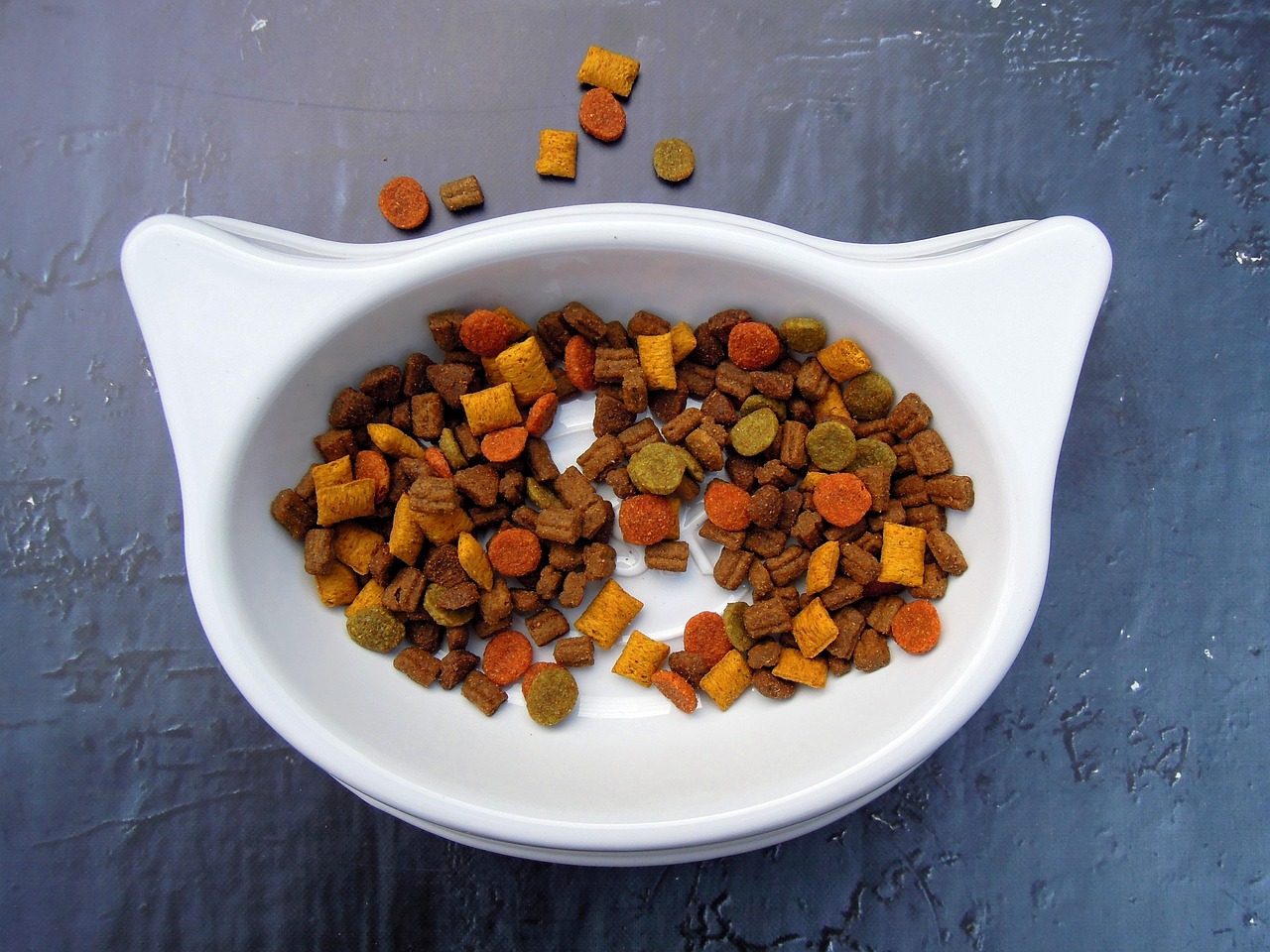
Feeding schedules should be flexible yet consistent. Most cats prefer to eat at their own pace; allowing them autonomy is beneficial. Automatic feeders can help regulate portions throughout the day while preventing overfeeding. Ensure these feeders are suitable for both dry and wet food options. Monitor leftover food and dispose of any uneaten portions promptly to prevent spoilage. Staff should be trained to identify early signs of potential health issues, such as changes in appetite or weight fluctuations. Keeping detailed records of eating habits helps track dietary responses to any changes in food. This information can be invaluable for understanding individual needs, fostering better health among the residents. Provide a combination of high-quality dry foods and nutritious wet options. Offering varied food types not only enhances appeal for the cats but supports overall health because it caters to their dietary preferences and needs. Staff involvement in the feeding process fosters relationships between staff and residents, enhancing the cats’ overall well-being. Consistently observing how different cats interact with their food can provide insight into their preferences and any necessary dietary adjustments. This leads to a healthier, more enjoyable living situation for the cats.
The Impact of Environment on Cat Eating Habits
The design of cat housing significantly affects their eating habits. Environmental factors, such as noise levels and proximity to other cats, can deter feeding. Therefore, creating quiet, relaxed spaces for both feeding and drinking can make a noticeable difference. Cats thrive in calm environments with minimal disturbances, allowing them to feel secure. Having individual feeding areas can help diminish competition and stress from other cats. Use partitions to create zones where cats can eat away from one another, giving them the privacy they desire. Observe resident dynamics closely to identify any stressors affecting eating. Regular engagement from caregivers during feeding times can ease tensions, facilitating a more harmonious atmosphere among the cats. Provide cozy spots for cats to retreat to if they don’t feel like eating. Allowing them personal space ensures they can take their time while eating, increasing overall satisfaction. Incorporating soft bedding or comfortable perch areas nearby creates a soothing environment. Remember, cats are creatures of habit. Consider establishing recurring feeding locations and times to foster familiarity with the routine. This predictability can enhance their overall comfort and contentment with their meal times.
In addition to physical aspects, sensory factors play a role in cat dining experiences. Ensure food is offered at the appropriate temperature; many cats prefer meals that are warmer than room temperature. Thus, taking extra steps can enhance taste and appeal. For dry food, employ varied textures or shapes to entice different cats. Cats can be quite discerning, so introducing diversity in food types will keep them engaged. Always consult with veterinarians regarding dietary preferences. They can provide valuable insight into optimal meal adjustments based on each cat’s health. Utilize enrichment techniques to stimulate interest in food. Puzzle feeders can engage their curiosity while elongating meal times, preventing boredom. Allowing cats to use their intellect while getting nourished can significantly heighten their meal experience. Regularly revisiting feeding setups and adjusting according to resident needs is crucial. Staff should actively engage in ensuring the stations remain interesting and inviting over time. Encouraging staff to share observations will foster a collaborative approach toward maintaining an ideal eating environment, enhancing individual and collective enjoyment for the feline residents of the housing facility. Focused attention on these factors will create harmony and happiness.
Best Practices for Maintaining Food and Water Stations
Implementing best practices for maintaining food and water stations can enhance the lives of housed cats. Regular cleaning is vital, both for hygiene and for preventing bacteria build-up. Staff should follow specific cleaning steps. Begin by removing any leftover food and washing the bowls with hot, soapy water. Ensure all residue is scrubbed away, followed by a thorough rinsing process. After cleaning, drying the bowls before refilling can prevent moisture accumulation that encourages mold growth. Additionally, assess the food and water supply frequently. Refilling bowls with fresh offerings guarantees that they remain appealing and appetizing. When it comes to food supplies, rotate stock to keep everything fresh and flavorful for the cats. Furthermore, use quality feeding and drinking utensils designed for cats. Bowls that are easy to clean and resistant to scratches will promote durability. Encourage feedback from all staff involved with feeding and watering. This collaborative approach fosters a sense of responsibility and pride, ensuring that every cat receives the best care possible. Remaining adaptable and open to new ideas will ensure that any concerns are addressed proactively, promoting overall health and happiness among the housed cats.
Monitoring for health-related issues during feeding time is another aspect of maintaining the stations. Staff should become adept at observing behavioral changes among the cats, noting alterations in eating habits or mood fluctuations. Documenting these changes over time creates a clearer picture of individual or collective health trends. Regular health assessments by a veterinarian are essential for identifying potential problems early. Keeping accurate dietary logs will help track each cat’s history and preferences, aiding in future care. In cases where a cat displays sudden changes, prompt veterinary consultation is advisable. Staff should always be vigilant concerning hygiene practices. Waste management is important and must be integrated into the daily routine. Properly disposing of any uneaten portions prevents pests and protects the health of all housed residents. Incorporating an education program for staff regarding feline nutrition and hydration will drastically improve overall maintenance practices. Focused training on individual cat needs fosters empathy, understanding, and the ability to cater to their specific requirements. Both liquid and solid food must be tailored and monitored consistently. These efforts lead to healthier, happier cats, thus enhancing the overall quality of their living environment and enjoyment of their meals.