
Marking Training: Improving Your Dog’s Memory on Retrieves
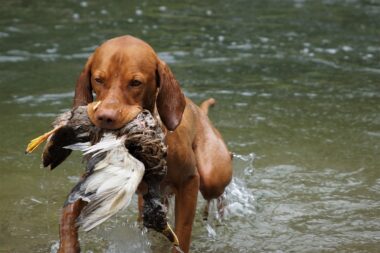
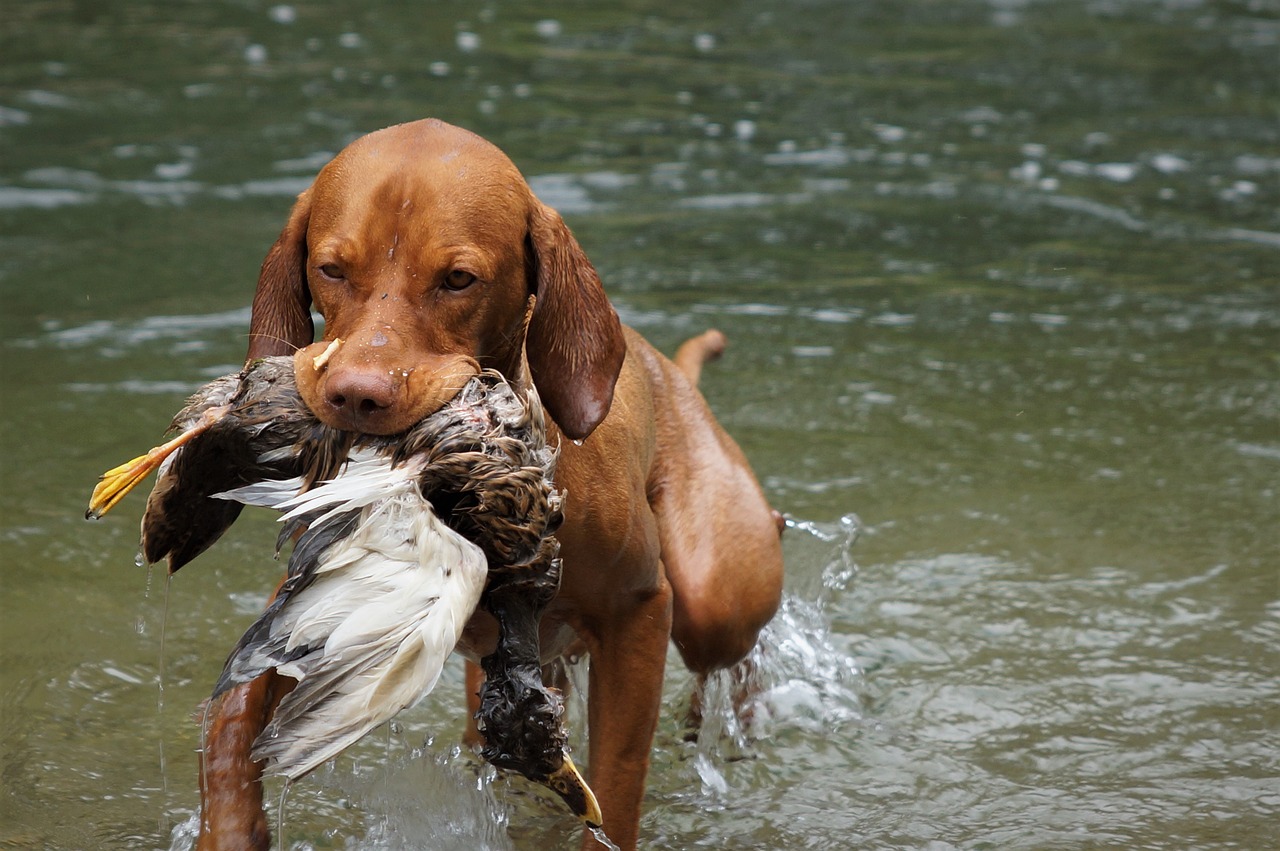
Training hunting dogs to remember where they need to retrieve is crucial in field work. Marking training enhances a dog’s ability to visually track and remember items. This technique ensures that your dog recalls the exact location of retrieved objects. It focuses on their memory, coordination, and the eagerness to retrieve effectively. Utilizing various approaches such as repetition and positive reinforcement ensures that your dog becomes proficient. Proper marking training allows for enhanced performance when out in the hunting field. Dogs become adept at recognizing their surroundings which plays a vital role during hunts. Training sessions should be structured and engaging, keeping the dog’s attention high. Use visual aids or decoys to help the dog pinpoint clear markings. Gradually increase the difficulty of the retrieves by adding distractions or varying the environments. It’s essential to consistently practice to build your dog’s confidence. Over time, your hunting dog will develop remarkable associative skills tied to retrieving, boosting their effectiveness and your partnership with them out in the field. Make marking training a regular part of your routine to solidify these skills.
Incorporating positive reinforcement during marking training is essential for successful outcomes. The use of treats and verbal praise can significantly benefit the dog’s learning process. Recognize and reward your dog’s successes to build a strong foundation of trust and cooperation. Over time, dogs will associate successful marking performances with positive experiences. Additionally, utilizing a whistle or specific command can enhance focus and reduce distractions. Be patient and understanding; every dog learns at a different pace. One effective method is to practice in controlled environments before progressing to more challenging scenarios outdoors. The foundation built in simpler environments allows for better performance later in the field. Remember to ensure training sessions remain fun and consistent. Short, repetitive sessions are often the most beneficial for learning. It is vital to end each session on a positive note, reinforcing successful marking. Encouraging your dog consistently will ultimately lead to improved memory retention. As your hunting dog improves in their ability to mark and retrieve, you’ll both experience a deeper bond. This bond is fundamental not just in training, but also in the field when you’re both working together.
Techniques for Effective Marking Training
There are various techniques to enhance marking training, making it effective and enjoyable. One popular method is to employ visual markers during training exercises. These can be objects such as flags or brightly colored toys that signify a location for the dog to retrieve. Creating a visual path for the dog fosters better memory retention. Additionally, using a double mark exercise can be beneficial. In this exercise, two items are thrown in quick succession while the dog watches both. The dog learns to remember both locations and retrieve them in order, reinforcing its memory. Another technique involves working with a partner; one can throw the retrieve while the other handles the dog, allowing a clear focus. Implementing varying terrain, including tall grass or different surfaces, can help replicate real hunting scenarios. Casual distractions can also make training sessions more effective, as your dog learns to stay focused amid challenges. Always ensure you keep training sessions short and efficient to maintain the dog’s interest. Your training regimen should gradually increase in complexity, allowing for continued development in your dog’s memory and retrieving skills.
The environment plays a significant role in the effectiveness of marking training. Before heading into the field, it’s beneficial to introduce your dog to the location where training will occur. Familiarizing them with the environment can have a positive impact on their ability to mark effectively. Use landmarks as guides to help your dog focus on retrieval locations. Field training should ideally be done in various locations and terrains to improve versatility and adaptability. This adaptation makes your dog more proficient at remembering retrieves in unique hunting conditions. Paying attention to the Weather, such as wind direction, can influence your dog’s ability to track scent and memory. Adjust training accordingly to secure optimum learning conditions. Also, consider varying the distances at which you throw retrieved items, allowing your dog to experience marking at multiple lengths. Building endurance and confidence in retrievals over time ensures excellent performance while hunting. Never rush through marking training. Each dog’s learning curve varies, and your patience will be rewarded with a well-trained dog that excels during retrieving tasks.
Tracking Progress and Adjusting Techniques
Monitoring your dog’s progress during marking training is imperative to ensure consistent improvement. Keep a daily or weekly journal documenting your progress, noting successes, challenges, and areas needing work. This method helps identify which techniques yield the best results and which need modification. As you monitor your dog’s abilities, you might find patterns or preferences that emerge during marking exercises. Adjustments based on these observations can refine your training techniques, fostering your dog’s enthusiasm and effectiveness. Always remember to celebrate small milestones in their progress; recognition boosts their confidence and strengthens your training relationship. Additionally, incorporating different trainers or handlers occasionally can provide new insights and methods. It can also expose your dog to varied commands or expectations, further enhancing their adaptability. Such exposure prevents monotony and keeps your dog engaged in training. As techniques evolve through experience, your dog will develop a deeper understanding of marking and retrieving. Consistent feedback and encouragement enhance the bond between you and your dog, making training meaningful and enjoyable to both of you.
It is equally important to know when to take breaks during marking training. Fatigue can lead to decreased performance and motivation, causing frustration for both you and your dog. Schedule training sessions with enough time for rest periods and play to ensure a positive experience. Observe your dog’s behavior closely. If they seem overwhelmed or uninterested, it may indicate they need a break. Incorporate playtime with toys or engaging activities to reinforce a love for retrieving. This balance keeps your dog motivated and eager during marking sessions. Breaks should be seen as an essential part of the overall training process. After all, training does not solely revolve around work—it also concerns creating a fun learning environment. When transitioning back to work, maintain excitement and energy to enthuse your dog further. Little incentives, like special treats or games, can reignite their interest in the task. Remember that the dog’s psychological state significantly influences training and performance. Frequent breaks, a positive atmosphere, and attention to their engagement levels will ensure that marking training becomes successful, leading to an efficient hunting dog.
Common Challenges in Marking Training
Despite best efforts, challenges during marking training sessions can arise. Some dogs may struggle with focus, particularly in more distracting environments such as fields or dense areas with lots of scents. If this is the case, return to simpler environments and gradually build back up their confidence. Another challenge is environmental changes, where different terrains can confuse dogs. However, introducing varied locations gradually should overcome this obstacle. Additionally, some dogs may have a natural inclination to chase after moving objects rather than retrieving stationary ones. Spending time focusing on stationary marks can help redirect this instinct. Consistency is key. Ensure that all family members or handlers use similar commands and techniques during training. This uniformity reduces confusion for the dog, enhancing efficiency. Additionally, note that not all dogs will progress at the same pace; some may require additional time and practice to develop their skills. Identify your dog’s unique challenges and address them with patience and persistence. By recognizing and adapting to these challenges, the training process will be far more successful. You’ll build an incredible partnership with your dog through perseverance and understanding.
In conclusion, marking training is an effective method for enhancing your hunting dog’s memory and retrieving skills. This process combines various techniques, environmental considerations, and awareness of challenges to bring out the best in your dog. Engaging training sessions emphasize positive reinforcement and consistency to ensure steady progress. Through effective marking training, dogs learn the importance of focus, memory, and responsiveness to commands. They become more adept at retrieving items with precision, which is vital in real hunting situations. As the bond between you and your dog strengthens, teamwork and trust will flourish in the field. Dogs that are confident and prepared thrive under various hunting conditions, producing far better results. Integrating play, positive feedback, and structured training ensures dogs remain enthusiastic about their tasks. As you implement the techniques outlined, your dog will grow eager to conform to their training and apply those skills during hunts. Marking training is thus not just about retrieving; it’s a holistic approach that improves overall hunting performance. With time and patience, you will cultivate a remarkable hunting partner skilled in retrieves, making your time together outdoors far more enjoyable.