
Tracking Seasonal Shedding Patterns: A Guide for Cat Owners
Managing your cat’s seasonal shedding can be challenging, especially if you’re new to cat ownership. Every year, changes in temperature and light can trigger shedding cycles. As seasons transition, cats often lose their undercoats to adapt to the climate. Understanding these shedding patterns is crucial. Keeping an eye on environmental conditions like humidity and temperature helps determine the best time to focus on grooming. By knowing when your cat typically sheds, you can prepare by having the right grooming tools, such as brushes specifically designed for shedding. Make sure to also monitor your cat’s behavior closely. If you notice excessive shedding, it could indicate stress or health issues. Regular vet check-ups are essential to ensure your cat stays healthy. Analyzing how your cat sheds throughout the year will give valuable insights into their overall well-being. You can also track and document shedding on a calendar to see patterns over time, allowing you to anticipate shedding seasons. Ultimately, understanding your cat’s unique shedding pattern will enhance your grooming routine and help your feline friend feel comfortable and happy.
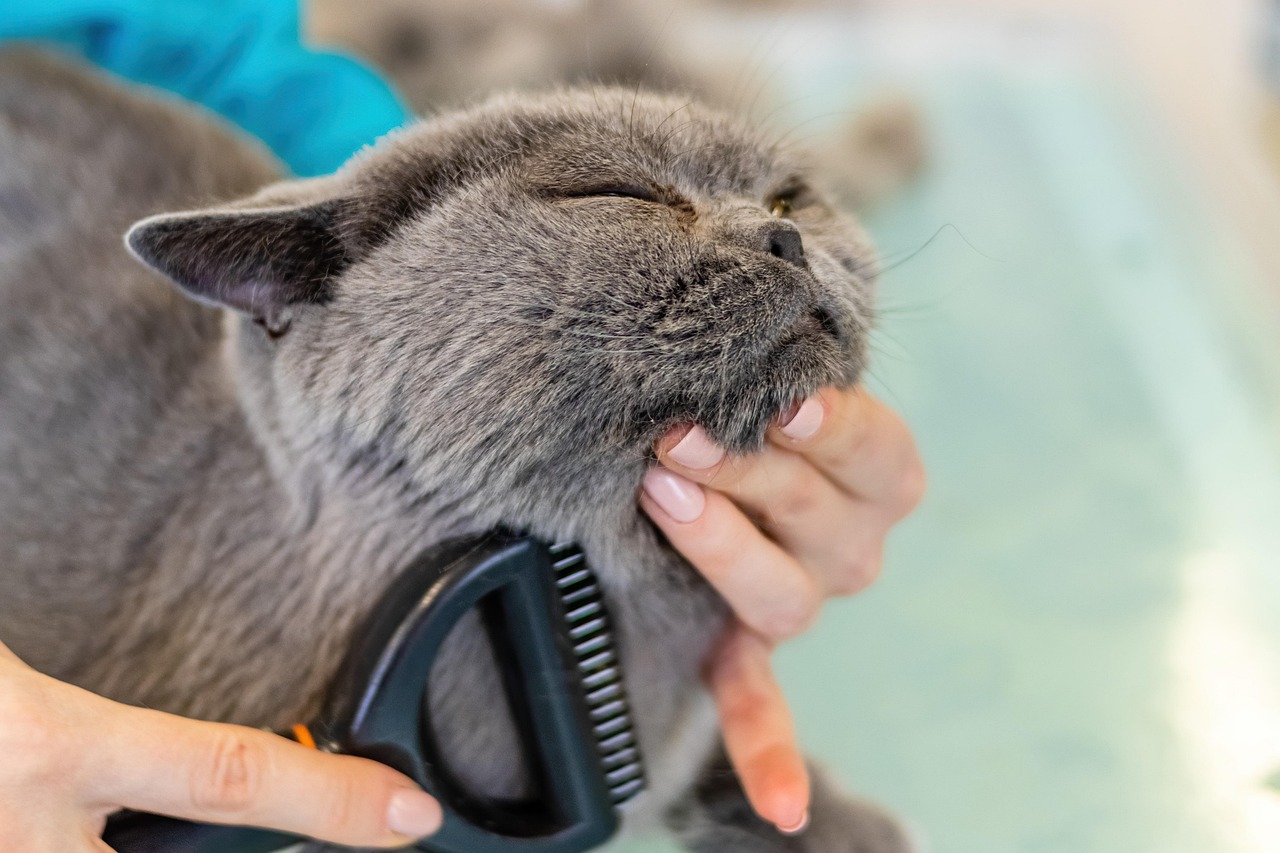
Regular grooming sessions are crucial during periods of intense shedding. Frequent brushing not only removes loose fur but also helps to prevent hairballs, which can lead to digestive issues in cats. A good grooming routine includes using a combination of brushes tailored to your cat’s coat type. For example, short-haired cats may benefit from a fine-toothed comb, while long-haired breeds might need a slicker brush for effective removal of tangles and loose hair. It’s also important to ensure that your cat feels relaxed during grooming. Positive reinforcement, like treats or praise, can make this process enjoyable. Consider setting aside a specific time each week for grooming to establish a routine. This consistency builds trust and makes your cat more receptive to being groomed. Furthermore, regular grooming sessions allow you to check your cat’s skin for any irregularities. Look for signs of irritation, parasites, or abnormalities while brushing, as early detection can lead to more effective treatment. If shedding becomes excessive or you notice any unusual patterns, consult with your veterinarian to rule out any underlying health concerns that might require attention.
Identifying Shedding Triggers
To effectively manage seasonal shedding, you need to identify potential triggers that contribute to your cat’s shedding patterns. Seasonal changes, stress, dietary alterations, and even age can all influence how much your cat sheds and when. Keep an eye on the environment, as changes in weather lead to different shedding cycles. Cats may also shed more if they are anxious or stressed due to changes in the household or the introduction of new pets. Understanding your cat’s specific triggers can help you anticipate shedding and take preventative measures. Additionally, it’s essential to provide your cat with a nutritious diet that supports healthy skin and fur. Foods rich in Omega-3 and Omega-6 fatty acids can improve coat health, thereby reducing shedding. Regular hydration also plays a crucial role in skin health, so ensure your cat has constant access to fresh water. Monitoring your cat’s health and any changes in behavior can help you pinpoint triggering factors. When you notice these variables, you can adjust your grooming routine accordingly, taking the necessary steps to reduce shedding during peak times.
Another effective strategy to manage shedding is to create a comfortable living environment for your cat. Environmental factors, such as temperature and humidity, can greatly affect your cat’s shedding. Keeping the indoor space at a stable and comfortable temperature can reduce stress-related shedding. If your home is too dry, consider using a humidifier, especially during winter months when heating systems can lower humidity. Cats often feel more at ease when they’re in a comfortable atmosphere, reducing their anxiety. Moreover, providing designated hiding spots or perches can give your cat a sense of security, reducing stress. Regularly cleaning your home also contributes to a stress-free environment; vacuum frequently to minimize pet hair accumulation. Invest in furniture covers and washable blankets to help manage fur around the house. Alongside this, creating a predictable schedule for feeding, playtime, and even grooming can reinforce a comforting routine. This security helps to ensure your cat feels safe and less likely to shed excessively. Lastly, frequent engagement through play can mitigate stress and create a bond between you and your cat, making handling easier during brushing.
Using Tools Effectively
Utilizing the right tools for grooming your cat can significantly ease the burden of managing shedding. Start by selecting brushes and combs aligned with your cat’s fur type and length. For example, a rubber grooming mitt can be excellent for short-haired cats, as it both grooms and massages their skin. For long-haired breeds, a slicker brush paired with a wide-toothed comb can help tackle tangles and loose fur effectively. Regularly changing or cleaning your grooming tools is essential to maintain their efficacy. Ensure that they are designed to remove loose hair without tugging on the skin, as this can create discomfort during grooming. Additionally, investing in shedding tools, such as an undercoat rake or grooming clippers, may be beneficial. These tools are specially designed to address the unique challenges that come with shedding. Experimenting with different grooming products will allow you to discover what your cat responds to best. Lastly, always keep in mind the need for treats and positive praise during grooming sessions to create a pleasant experience for your feline friend.
Aside from tools and techniques, consider leveraging supplements or grooming aids to aid in managing shedding more effectively. Products such as specialized grooming wipes can help remove loose fur and dander between baths and grooming sessions. These wipes are convenient and can alleviate some shedding concerns. Additionally, look for Omega fatty acid supplements that support skin health and may minimize excessive shedding as part of your cat’s diet. Always consult with your veterinarian before starting any new supplement regimen. They can recommend the best options for your cat’s dietary needs. Regular baths, approximately once a month depending on your cat’s comfort, can also assist in managing shedding. Make sure to use cat-specific shampoos and conditioners that soothe and moisturize the skin without stripping natural oils. Bathing with the right products will improve overall coat condition, addressing excessive shedding issues. Also, consider using a lint roller to quickly clean up loose fur in the house and clothing. By incorporating grooming aids alongside your grooming routine, you can effectively tackle seasonal shedding challenges and maintain a clean, fur-free home environment.
Conclusion: Consistency is Key
In conclusion, managing seasonal shedding in your cat involves establishing a routine, utilizing the right tools, and identifying triggers effectively. Understanding when your cat typically sheds will allow you to seem proactive in grooming and care. Whether through routine grooming, environmental adjustments, or nutritional support, each strategy contributes to managing shedding and supporting your cat’s overall health. Make it a point to combine these strategies, as each one complements the others. For instance, a consistent grooming schedule can be more effective when coupled with the right dietary inputs and a stable living environment. Track your cat’s shedding patterns in relation to seasonal changes, making notes to refer to in subsequent years. By doing so, you’ll become better equipped to manage grooming during peak shedding times. Lastly, be patient with your cat and yourself during this process. Building a strong bond and maintaining a calm approach can significantly impact your cat’s comfort level during grooming sessions. Ultimately, the effort you put into understanding and managing shedding will lead to a happier, healthier feline companion.