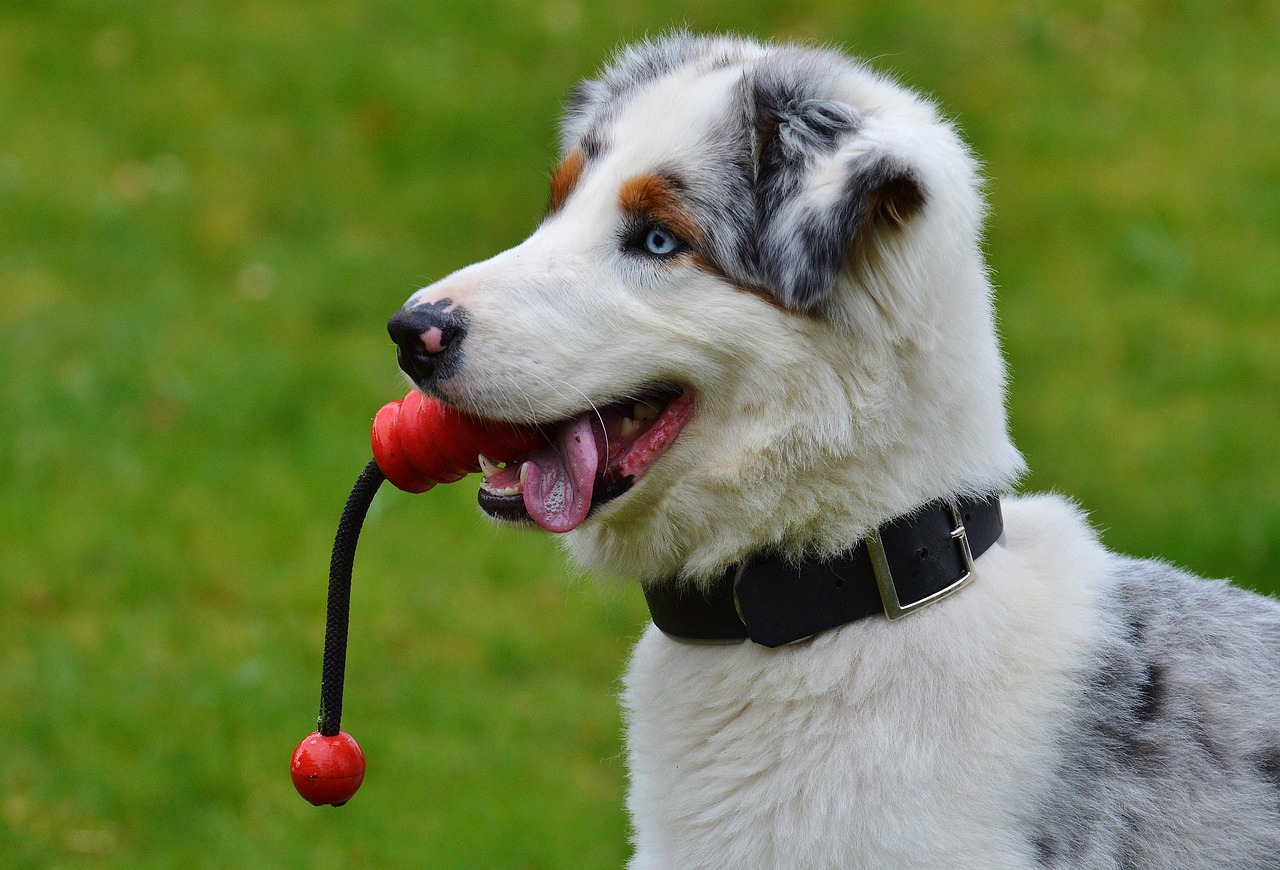

Using Play to Manage Dog Depression and Loneliness
Play is a crucial aspect of a dog’s life that contributes significantly to their mental health. Just like humans, dogs can experience feelings of loneliness and depression, especially if they lack sufficient social interaction or stimulation. Engaging a dog in playful activities helps to alleviate these negative feelings and promotes a sense of happiness and well-being. Additionally, play encourages physical exercise, which in turn releases endorphins, the natural mood lifters. Regular play sessions can strengthen the bond between a dog and its owner, ensuring that the dog feels loved and connected. This emotional connection is vital for a dog’s mental stability. Moreover, the mental stimulation provided during play helps to keep a dog’s mind sharp and focused, preventing boredom that can lead to undesirable behaviors. Types of play can vary from interactive games to fetch and agility challenges. Each provides different benefits and helps to enrich the dog’s life overall. In essence, play is not merely a fun activity, but rather a necessary component for maintaining a dog’s mental health and happiness, making it essential for responsible dog ownership.
Understanding the types of play that are beneficial for a dog’s mental health is vital. Firstly, social play with other dogs allows them to communicate naturally, establishing necessary social skills that are vital for emotional well-being. These interactions can be facilitated at dog parks, daycare facilities, or through playdates with familiar canine friends. Moreover, interactive play, such as tug-of-war or hide-and-seek, can enhance the dog’s cognitive abilities while also reinforcing training commands, which is beneficial for obedience and self-control. It’s equally important that owners engage in playtime with their dogs as this provides the dog with attention and affection they crave. Solo play, like puzzle toys, can stimulate a dog mentally when they are alone. Such toys challenge the dogs to think critically, keeping their minds active and engaged. Additionally, play activities tailored to incorporate obedience training help dogs learn and retain commands through positive reinforcement, making learning a part of the fun. Ultimately, integrating these playful exercises into a dog’s routine can significantly contribute to their overall mental health, fostering a happy, well-adjusted pet.
Dogs may exhibit signs of depression that can often be overlooked. Signs such as a decreased appetite, lethargy, or withdrawal from social interactions can indicate that a dog is not doing well emotionally. Regular playtime can serve as a preventive measure against these common signs of mental distress. For instance, when a dog engages in regular play, they are more likely to maintain a healthy appetite as their energy levels rise. Dogs thrive on routine and predictability, so establishing a consistent play schedule can bring structure to their day that calms their anxiety. Owners should pay close attention to their dog’s behavior, especially during times of change, such as moving to a new home or dealing with loss within the family. During these periods, increasing playtime can be critical. Activities should also be varied to keep the dog engaged and excited about play. This can mean introducing new toys, exploring different environments, or trying new games. By being proactive and attentive to a dog’s mental state through play, owners can help diminish feelings of sadness and loneliness effectively.
The Benefits of Play for Dog Mental Health
Encouraging play is not just about fun; it plays a crucial role in a dog’s overall mental health, aiding in stress relief and emotional balance. During playtime, dogs experience the freedom to express themselves, allowing their personality to shine through. This self-expression is key for maintaining happiness and reducing feelings of confinement, which can lead to anxiety. Additionally, physical activity during play combats obesity, which can worsen mental health issues in dogs. Keeping a dog fit not only improves their physical health but also promotes a more energetic and positive demeanor. Furthermore, the experiences and challenges presented during play can boost a dog’s confidence and resilience. When dogs learn to navigate obstacles during agility training or succeed in fetching a toy, they increase their self-esteem. These achievements contribute positively to their mental health, mitigating feelings of insecurity. Socialization during play also encourages a dog to adapt well to new situations and changes, which is essential for their overall well-being. Regular engagement in play ensures that dogs develop strong coping mechanisms, making them better equipped to deal with stress.
Incorporating training into playtime is an effective method to support dog mental health. Integrating commands or tricks into playful scenarios allows for a balanced approach to discipline and fun. Reinforcing good behaviors while playing ensures that dogs associate positive experiences with learning, thus making them more willing to obey in non-play situations as well. For example, you can use games to teach commands like sit, stay, or fetch. Implementing these behaviors during play helps solidify the training without the dog feeling like they are just undergoing a lesson. Moreover, activities like agility courses can provide both physical and mental stimulation while fostering discipline. Making games intellectually stimulating requires creativity from the owner, which can further strengthen their bond. Hence, it’s beneficial to tailor playtime according to the dog’s unique needs and preferences. Awareness of what energizes or excites your dog will contribute to more effective and engaging training sessions. By prioritizing mental engagement during play, dog owners can work towards developing well-rounded, happy dogs who are less prone to anxiety and depression.
Providing appropriate outlets for a dog’s energy through play also helps to combat destructive behaviors that can arise from boredom or depression. Several dogs may exhibit unwanted behaviors, such as barking excessively or chewing furniture, as an expression of their unhappiness. To counteract these tendencies, allocating time for daily play is essential in meeting their physical and emotional needs. Owners can also utilize interactive toys that require problem-solving skills, which channel their focus and provide mental stimulation. Furthermore, devising creative routines, such as changing locations for walks or introducing new toys and challenges, can invigorate a dog’s interest in play. Consider varying the time of play to discover when your dog is most energetic and willing to engage. Training sessions featuring games can be equally beneficial by offering motivation through rewards. This not only promotes mental health but also enhances the bond between dog and owner. Dogs flourish with stimulation and engagement, thus preventing loneliness. Emphasizing structured yet fun play ultimately leads to happier dogs, who exhibit healthier behaviors and emotional states.
Conclusion: Committing to Play for Your Dog’s Well-being
In conclusion, understanding the importance of play in maintaining a dog’s mental health cannot be overstated. A dog’s happiness directly correlates with the amount and quality of their playtime. Dogs are social creatures, and the physical and emotional benefits of engaging playly activities help combat feelings of loneliness and depression. By prioritizing regular and structured play in a dog’s routine, owners can significantly improve their dog’s mental state while strengthening the bond between them. This commitment requires ongoing investment in your dog’s happiness. Furthermore, recognizing the signs of depression, such as changes in appetite or behavior, equips owners to proactively respond to their dog’s needs quickly. By employing a variety of play methods, blending training with fun, owners ensure their dogs receive multifaceted mental stimulation that promotes overall happiness. Remember that every dog is unique, so flexibility in play activities is key, discovering what delights your pet most. Ultimately, a strong focus on play leads to happier, healthier dogs, enriching their lives and deepening the connection with their humans.