
First Vet Visit Tips for Rescued Dogs: What Every Owner Should Know
Bringing home a rescued dog is a joyous event. However, the first vet visit can seem daunting. Preparing for this appointment is essential for ensuring both you and your new furry friend are ready. Start by gathering all relevant medical records from the rescue organization. This includes vaccination history, any medications, and conditions that were noted during previous evaluations. If the records are not available, be open about the dog’s background with the vet. They must understand potential health issues. Also, consider bringing a favorite toy or blanket your dog is familiar with. This can create a comforting environment during the visit. Additionally, prepare to ask questions about diet, exercise, and mental health support. Collect these in advance to ensure you cover all your concerns. Furthermore, be focused on establishing a good relationship with the veterinarian. The vet’s input will guide you for the long run. A trusted vet is paramount for your dog’s health. Lastly, remember to stay calm. Dogs often sense their owner’s emotions, which could impact their behavior at the veterinary clinic.
Preparing your rescued dog for their initial vet visit also means thinking about transportation. A secure crate or seatbelt harness can help ensure safety while driving. Dogs can be anxious in new environments, which can lead to unexpected reactions. Getting your dog comfortable with the car and crate beforehand sets a positive tone. As you arrive at the vet clinic, give your dog time to acclimate. Approach the entrance slowly to help them feel secure. Once inside, notice if they’re showing signs of fear or stress. Cues like panting, pacing, or hiding can indicate anxiety, and understanding these signals helps manage their needs. If possible, visit the clinic beforehand to allow your dog to explore the surroundings. This acclimatization can make the actual vet visit less stressful. Additionally, try to associate the clinic with positive experiences; bring treats or favorite toys to reward your pup. This will create a positive association with the vet. The goal is for your dog to see the veterinarian as a friendly figure, making future visits easier. You want to establish a positive routine because frequent visits can be essential for health maintenance.
Understanding the Checkup Process
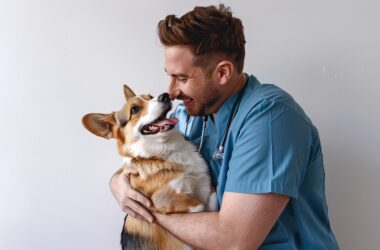
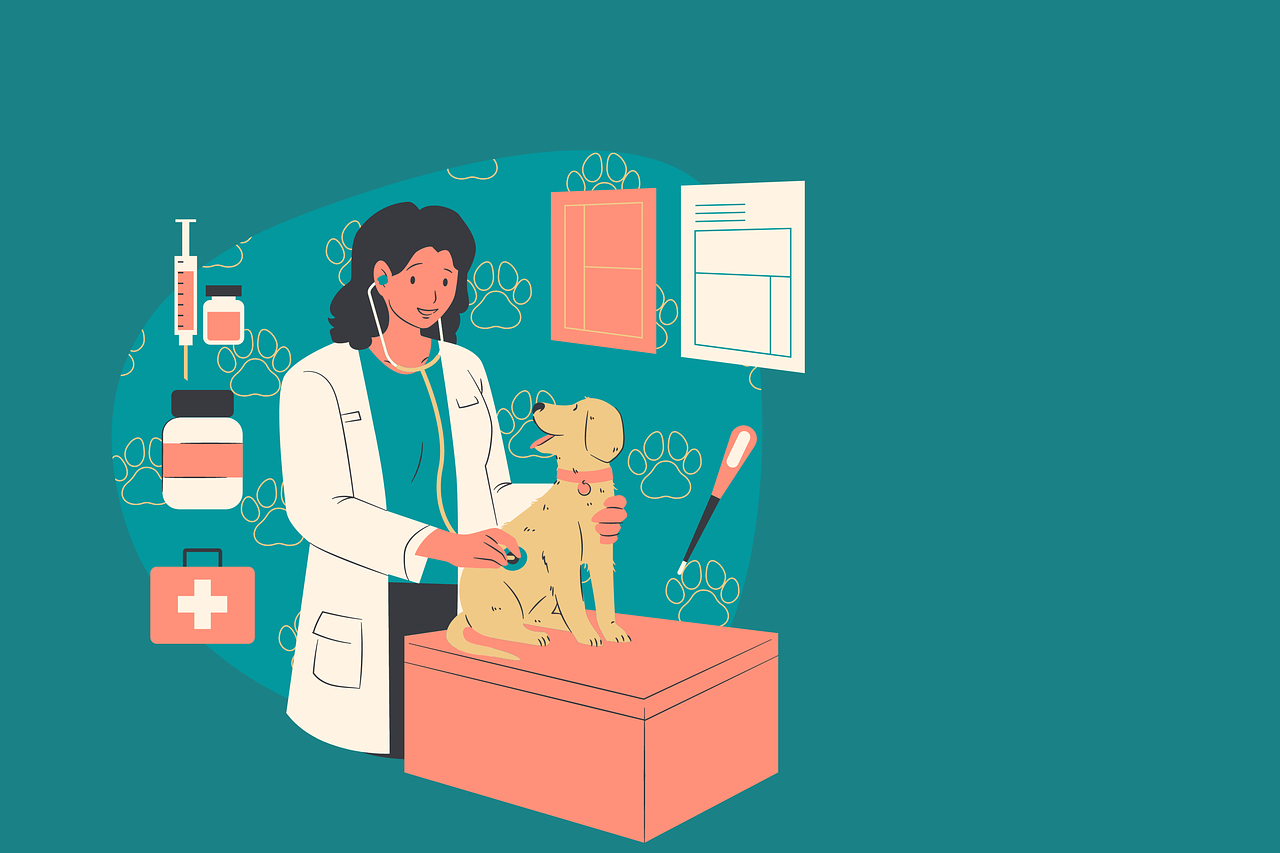
During the first vet visit, your dog will undergo a thorough checkup. This involves a physical examination, where the vet assesses overall health, weight, and behavior. It’s crucial to be observant as the vet evaluates your dog’s heart rate, breathing patterns, and skin condition. Understanding the checkup process helps ease any anxiety you might feel. Ask questions about what each part of the examination entails to ensure clarity. Common assessments include checking for fleas, ticks, and any visible signs of illness or discomfort; these can reveal important information about your dog’s health. It’s an opportunity to create a baseline for their health, crucial for future visits. After the examination, expect to discuss vaccinations. Depending on your dog’s age and status, the vet might recommend vaccinations or boosters. Don’t hesitate to express any concerns about potential side effects or costs. Moreover, tailored dietary advice will be addressed. Every dog has unique needs, especially rescues that might have specific dietary restrictions or past health issues. Understanding all these elements will enhance your level of confidence as a new pet owner.
After the checkup, it’s vital to understand the follow-up steps. If any vaccinations or treatments were administered, captures those in your notes. Knowing the schedule for future vaccinations and medications keeps you organized. A proper health record is essential for tracking your dog’s wellness journey. The vet may provide recommendations for preventative care, such as dental cleanings, flea control, and housing requirements based on your dog’s lifestyle. These checkups can help avert health problems. Additionally, discussions about spaying or neutering will likely arise if you haven’t already done so. Prospective owners should be informed about the process and any effects these procedures may have on behavior and health. Furthermore, do remember to discuss behavioral assessments. Behavioral issues can emerge, especially from past traumas. Identify specific concerns with your vet, who may recommend training resources. Finally, gather any pet supply suggestions based on your dog’s lifestyle. Essential items include food that meets nutritional needs and other supplies like bowls or leashes that contribute to a healthy living environment.
Recognizing Signs of Stress
Recognizing signs of stress in your dog can help you manage future vet visits. Dogs can display anxiety through various behaviors. Learn to identify these signs early, as they can affect overall health. Common signs include whining, excessive panting, or trembling. If you observe these, offering comfort can help alleviate their discomfort. Establish a safe space at home, where they can retreat to if feeling anxious. During the vet visit, distractions like toys might mitigate stress. Your vet may also suggest techniques to help your dog relax in stressful situations. This could involve using calming scents or pheromone products designed to ease anxiety. Understanding that many dogs will experience discomfort at the vet helps set realistic expectations. Ensure family members are on the same page regarding how to approach your dog during times of stress. It’s crucial everyone understands and recognizes your dog’s comfort levels. Additionally, familiarize yourself with resources available for canine anxiety. Training, specialized calming methods, and professional dog trainers can enhance your understanding and contribute positively to your dog’s mental health.
Creating a positive association with the vet is essential in building trust with your dog. Make a plan to reward your dog after the vet visits with treats or favorite activities. Positive reinforcement makes it clear that visits lead to happy outcomes. Always take time to relax together afterward, reinforcing the idea that these visits are safe and manageable. Consider scheduling fun outings after vet appointments. This establishes a routine, reassuring your dog that the world is not just about vaccines or checks. Seek out training environments that also promote positive reinforcement. This prepares your dog for future vet visits, reducing anxiety as they become familiar with travel and examination scenarios. Additionally, always remain calm during these processes. Your demeanor sets the tone and provides invaluable reassurance to your dog. As they learn to associate the vet with positive experiences, the stress of future visits may diminish considerably. This journey ensures a cooperative experience not just for you but particularly for your cherished rescued pet. Remember, patience goes a long way in nurturing your relationship with your rescued dog.
Conclusion
In summary, navigating that first vet visit with your rescue dog involves preparation and patience. Knowledge is a powerful tool every pet owner can wield to ensure a seamless experience when transitioning from a rescue shelter to a permanent home. Gather necessary medical records and ensure safe transportation. A calming approach can ease anxiety both for you and your dog while fostering trust with your veterinarian. The process isn’t merely about physical health; it also encompasses behavioral health. Ensure you are aware of signs of stress and strategies to produce positive associations. Developing these habits paves the way for successful vet visits in the future. Remember to maintain a close relationship with the vet, enhancing your dog’s overall wellness. Through careful planning and positive reinforcement, your furry friend can learn to enjoy their vet visits. Ultimately, each time at the vet fortifies your bond and ensures that your dog remains healthy and happy. Celebrate the milestones and successes that come with rescue dog ownership. Together, you and your new best friend can explore a comprehensive happy life together.