
How to Identify and Address Coat Issues through Nutrition
In the world of dog grooming, a healthy coat is often indicative of a dog’s overall health. A shiny, well-kept coat does not simply appear; it is the result of proper care and nutrition. Owners must prioritize understanding the nutritional needs that directly affect their dog’s coat health. Essential fatty acids, vitamins, and minerals play crucial roles in promoting a vibrant coat and ensuring skin health. Fatty acids, especially Omega-3 and Omega-6, help maintain moisture and prevent dryness, thus reducing flakiness. Regularly including sources of these nutrients in their diet can significantly impact the coat’s appearance. Moreover, certain proteins aid in hair growth and strength. It’s vital for owners to recognize that food quality affects coat quality, so selecting dog foods with high-quality ingredients is essential. Sometimes, even allergies or intolerances to certain food items can contribute to coat problems. Identifying these issues early through observation and possibly consultation with a veterinarian is critical. Ultimately, nutrition is fundamental in tackling common coat-related issues, and pet owners must strive to provide a balanced diet tailored to their dog’s specific needs.
Common Coat Issues in Dogs
Before addressing coat issues through nutrition, it’s integral to identify common problems that might arise. Many dogs suffer from dry, flaky skin, which often leads to an unhealthy coat appearance. This issue can stem from various sources, such as environmental factors, nutritional deficiencies, or allergic reactions. Additionally, some dogs may experience excessive shedding, which can be alarming for pet owners. This can indicate underlying health issues or inadequate nutrition. Another prevalent coat issue is matting, which one can often link to a lack of grooming. Adequate grooming helps distribute natural oils throughout the coat, aiding in hydration and overall appearance. Dogs may also exhibit dull, lifeless coats; this is frequently the result of poor dietary choices. To tackle these concerns, owners need to assess their dog’s diet carefully. Incorporating high-fiber, nutrient-rich foods can significantly transport the required vitamins and minerals necessary for optimal coat health. Owners may also consider supplements designed for coat care, but professional guidance is essential to ensure appropriate administration. Addressing these issues requires a comprehensive approach, emphasizing nutrition and grooming that best suits each individual case.
Several important nutrients directly influence coat quality, and understanding these can aid in choosing the right dog food. Proteins are the building blocks for dog fur, and without adequate protein intake, dogs cannot produce healthy, strong hair. It’s crucial for pet owners to check that their dog food includes high-quality protein sources, such as chicken, fish, or lamb. Additionally, essential fatty acids play a significant role; they keep the skin lubricated and help prevent dryness and flakiness. Foods rich in Omega-3 and Omega-6 fatty acids, including fish oil and flaxseed, should be prioritized in pet diets. Antioxidants, such as vitamins E and C, also contribute by combating oxidative stress that can weaken hair health. All of these vitamins combined promote stronger hair follicles and healthy skin, which directly contributes to a dog’s coat quality. Hydration is equally crucial in maintaining a healthy coat; ensuring that dogs drink adequate water enhances their body’s overall ability to absorb these important nutrients. In consulting a veterinarian, owners can find the right balance of these nutrients necessary for their dog’s specific requirements to achieve a lush and healthy coat.
Aside from nutritional aspects, grooming plays a significant role in maintaining coat quality. Regular grooming helps eliminate dead hair, dirt, and dander, which can inhibit hair growth. Moreover, it promotes blood circulation to the skin, essential for healthy hair follicles. Owners should consider grooming their dogs regularly, using proper tools tailored to their coat type. For dogs with long hair, slicker brushes and combs are ideal for detangling, while short-haired breeds may benefit from rubber brushes that remove loose hair. Bathing also plays a part in coat care; utilizing high-quality shampoos suited for specific coat types can make a noticeable difference. Frequent bathing must be cautious, as overdoing it could strip natural oils that protect the skin. Therefore, finding a balance is essential; some dogs may only require baths every few months. Consulting a professional groomer can provide insights regarding the grooming frequency needed for specific breeds. Importantly, a comprehensive approach that combines both proper nutrition and grooming regimen plays a crucial role in promoting a healthy coat that shines with vitality.
Understanding and addressing allergies is vital in maintaining coat quality as well. Many dogs may experience coat issues due to food allergies or sensitivities to specific ingredients commonly found in dog foods, such as grains or certain proteins. Symptoms of allergies often manifest through skin irritations, leading to excessive scratching and, ultimately, damaged fur. Owners should carefully monitor their pets for any signs of allergic reactions, which can be troublesome to discern. An elimination diet may help pinpoint the culprit of these coat problems by systematically excluding potential allergens and reintroducing them gradually. This process can help identify specific triggers that compromise skin and coat health. Consulting with a veterinarian throughout this process is paramount, as they can provide tailored recommendations and supplements to restore a dog’s coat health rapidly. Additionally, some dogs may require hypoallergenic diets to support their specific needs, thus preventing further coat issues. Addressing allergies and their effects on coat quality enriches overall pet care, reflecting the importance of dietary choice in contributing to a dog’s healthy fur and vibrant life.
Benefits of Specialized Diets
Specialized diets tailored to coat health can profoundly impact the quality and appearance of a dog’s fur. Many brands now offer dog food formulated explicitly to support skin and coat health through enhanced nutrient profiles. These specialized diets often include ingredients like Omega fatty acids, high-quality proteins, and unique herbal extracts aimed at promoting skin wellness. The convenient aspect of these diets is that they simplify the selection process for pet owners searching for optimal nutrition without needing to decipher complex labels. Many formulas also prioritize digestibility, ensuring that dogs can efficiently utilize the nutrients essential for healthy coat maintenance. Transitioning to specialized diets should be done gradually to prevent digestive issues, ultimately allowing dogs to absorb these beneficial ingredients effectively. Furthermore, when coats appear healthy due to proper nutrition, it can enhance the bond between pet and owner, fostering a sense of happiness and exuberance around grooming practices. Observing improvements in coat quality can provide owners with rewarding feedback about their dedication to their dog’s nutrition. Ultimately, these specialized diets represent a proactive approach to ensuring long-term coat health and overall well-being.
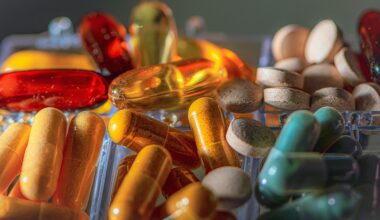
Incorporating supplements can also be an essential strategy for addressing coat issues and enhancing nutrition. Many dog owners have found success with supplements containing fatty acids, vitamins, and minerals specifically targeting coat health. These can include fish oil capsules, providing Omega-3 fatty acids, promoting a lustrous coat while supporting joint health in aging dogs. It’s crucial to consult a veterinarian before introducing any supplements to one’s diet, as they can recommend appropriate dosages and forms suitable for particular breeds and sizes. Alongside these, multivitamin supplements can fill potential nutrient gaps in a dog’s diet, ensuring complete health. Glucosamine chews may also support coat health indirectly by promoting overall well-being; a dog that feels good will likely have healthier skin and coat as a result. However, it’s essential to remember that supplements should not replace a high-quality, balanced diet but rather support it. Observing improvements in coat quality over time provides invaluable feedback for owners committed to holistic grooming and nutrition. Similarly, their dogs benefit from this conscientious approach, ultimately enhancing their lives each day.
In conclusion, addressing coat issues through nutrition requires a multifaceted approach emphasizing both quality diet and suitable grooming practices. Pet owners must prioritize understanding the specific nutritional needs that directly affect their dog’s skin and coat health. Regularly checking ingredient labels, incorporating proper grooming routines, and considering specialized diets or supplements contribute significantly to achieving optimal coat wellness. It’s crucial to observe any changes in coat condition and address them promptly, as they can indicate underlying health issues. Frequent communication with a veterinarian is essential to develop tailored approaches to addressing nutritional needs effectively. Additionally, understanding coat problems can strengthen the bond between pet and owner, providing an opportunity to work together towards improved coat quality. Over time, owners will see measurable differences in their dogs, evidencing the strong connection between nutrition and coat health. A well-maintained coat reflects not just the dog’s beauty but also the dedication and love of the caring owner. With patience and proper care, it is possible to ensure vibrant, healthy coats for dogs, promoting their overall happiness and well-being as cherished members of the family.