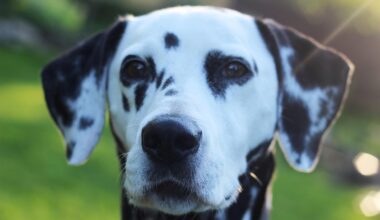

How to Keep Your Dog Comfortable During Cold Weather Trips
Traveling with dogs during cold weather presents unique challenges that all pet owners should be aware of. To ensure your furry companion remains comfortable and protected, careful planning is essential. Dogs can struggle with low temperatures just as humans do, so recognizing their needs is crucial. Start by assessing your dog’s breed and coat type, as these factors heavily influence their cold tolerance. Short-haired breeds and puppies may require extra protection against the chill. Additionally, always monitor your dog’s behavior for signs of discomfort, including shivering and reluctance to move. Equip yourself with gear, such as dog coats or sweaters, to help mitigate the effects of cold weather. Regular breaks are vital during travel; allow your dog to stretch, relieve themselves, and stay mentally stimulated. Choosing the right location is also critical; select pet-friendly accommodations that understand winter needs. Remember to bring enough food, water, and warm bedding for comfort during breaks and overnight stays. With adequate preparation, your dog can enjoy adventure-filled trips while staying comfortable in the cold.
When traveling in snowy environments, pay close attention to your dog’s paws. Snow can accumulate between their toes, leading to discomfort and potential injuries. Utilize dog booties or paw balm to protect their pads from the cold and avoid freezing. It’s also essential to keep your dog’s fur well-groomed, as matted hair can trap snow and moisture, making them chillier than necessary. Always check your pet’s body temperature, especially when returning indoors after outdoor play. If your dog displays any signs of hypothermia, including lethargy or extreme shivering, seek immediate veterinary assistance. In addition to physical safeguards, mental stimulation is vital on long trips. Bring along toys that can entertain your pet during downtime. Select safe chew toys or interactive puzzle games that challenge their minds. Hydration is equally critical during winter outings, so ensure you carry water and a portable bowl with you at all times. Additionally, don’t forget to pack your dog’s favorite blanket or bed, offering a familiar and warm space for them to relax in. Overall, prioritizing your dog’s comfort will contribute to a positive travel experience.
Essential Cold Weather Gear for Dogs
To ensure your dog is well-prepared for cold-weather adventures, investing in quality gear is a must. Begin with a well-fitting dog coat, as it provides crucial insulation against biting winds and low temperatures. Look for waterproof or water-resistant fabrics that keep your dog dry during snow or rain. Next, consider the benefits of dog booties that not only keep their paws warm but also protect against sharp ice or salt used for de-icing roads. This protection is especially important if you are in urban areas where salt can irritate their paws. Additionally, a thermal blanket can provide extra warmth during car rides or when camping out, keeping your dog snug and safe. Make sure to try on the gear before your trip to ensure a snug fit and comfort for your dog, allowing them to move freely. It’s essential to familiarize your pet with these items before embarking on your trip so they can adjust and feel comfortable. Equipping your dog with the right gear increases their comfort level and overall safety as you journey together during winter.
Another critical aspect of traveling with dogs in colder climates involves ensuring they remain well-fed and hydrated. Cold weather can lead to dehydration, so it’s essential to maintain their regular feeding and watering schedule. During travel, opt for meals that provide high calories, as dogs burn more energy trying to maintain body heat. Monitoring their eating and water intake will help ensure they’re fueled for activities and not experiencing any discomfort. Use insulated water bottles during outings to prevent water from freezing, and offer fresh, warm water frequently. Consider ways to adapt their meals based on activity levels; after strenuous areas, might mean a higher food intake. It’s also significant to pack enough food and treats in case of extended travel times or delays. Discuss your dog’s nutritional needs with your vet before traveling, particularly for dogs with specific dietary restrictions or health conditions. Carry extra food and make sure to have specific serving sizes pre-measured in resealable bags for convenience. Knowing your dog’s nutritional needs while maintaining their hydration helps to ensure their health while on the road.
Monitoring Your Dog’s Comfort Level
When traveling with dogs in cold climates, it’s crucial to regularly check on their comfort level. This involves keen observation of their behavior and body language as you explore. Look for signs of discomfort, such as excessive shivering, lifting their paws off the ground, or showing reluctance to move. If your dog begins to exhibit these signs, it may be time to retreat to a warmer environment or take breaks indoors. Additionally, observe their moisture levels; if they appear excessively wet from snow or rain, dry them off promptly to prevent chills. Carrying a towel for quick drying can be helpful during these times. Keep an eye on their energy levels; if your dog seems unusually tired or less playful, it may require some downtime to recharge. Engaging them in gentle play or warm-up exercises can also help maintain their energy level. Another pointer is to watch the outdoor temperatures; recognize when conditions may become too harsh for your dog. Staying aware of these factors allows for timely adjustments to their care and temperature management during travels.
When planning your adventures, consider alternative indoor activities that can keep your dog stimulated and comfortable during particularly cold days. Visiting pet-friendly indoor venues such as dog cafes or training facilities can be an excellent option, allowing for social interaction without exposure to the cold. Engaging them in games like fetch or hide-and-seek in safe indoor areas can pique their interest and keep them active. Additionally, participating in dog-friendly community events or classes is a great way to bond while staying warm. Many communities host regular indoor gatherings for pets and their owners. Don’t forget the option of getting your dog accustomed to indoor exercise routines. With limited outdoor options during the cold months, explore canine sport activities that you can do together. Activities like agility training or scent work can also benefit their mental and physical well-being. Preparing indoor games can enhance your dog’s mood and available exercise while mitigating harsh weather impacts. Outdoor exposure should still be balanced, but integrating indoor activities can support your pet’s comfort during the cold season.
Final Thoughts on Traveling with Dogs in Cold Weather
In conclusion, traveling with your dog in colder climates can be a rewarding experience, provided that you take the time to prepare adequately. Understanding the requirements of your furry friend amidst snow, ice, and biting winds ensures that both you and your pet have a safe and enjoyable journey. Always prioritize your dog’s comfort; frequently adjust plans according to the weather and specific needs of your dog, especially if they start exhibiting signs of discomfort. With the right gear, feeding practices, and engaging activities, your dog can thrive in cold conditions. Also, ensuring their safety on the road should never be overlooked—an appropriately fitted harness and seat belt can enhance security during vehicle travels. As you embark together on adventures, create lasting memories while ensuring your pet’s well-being is at the forefront of your travels. Embrace each winter journey with confidence and love, keeping your dog’s needs in mind to foster a fulfilling trip for both of you. Lastly, cherish the moments you share together; they’re your best companion on these incredible journeys.