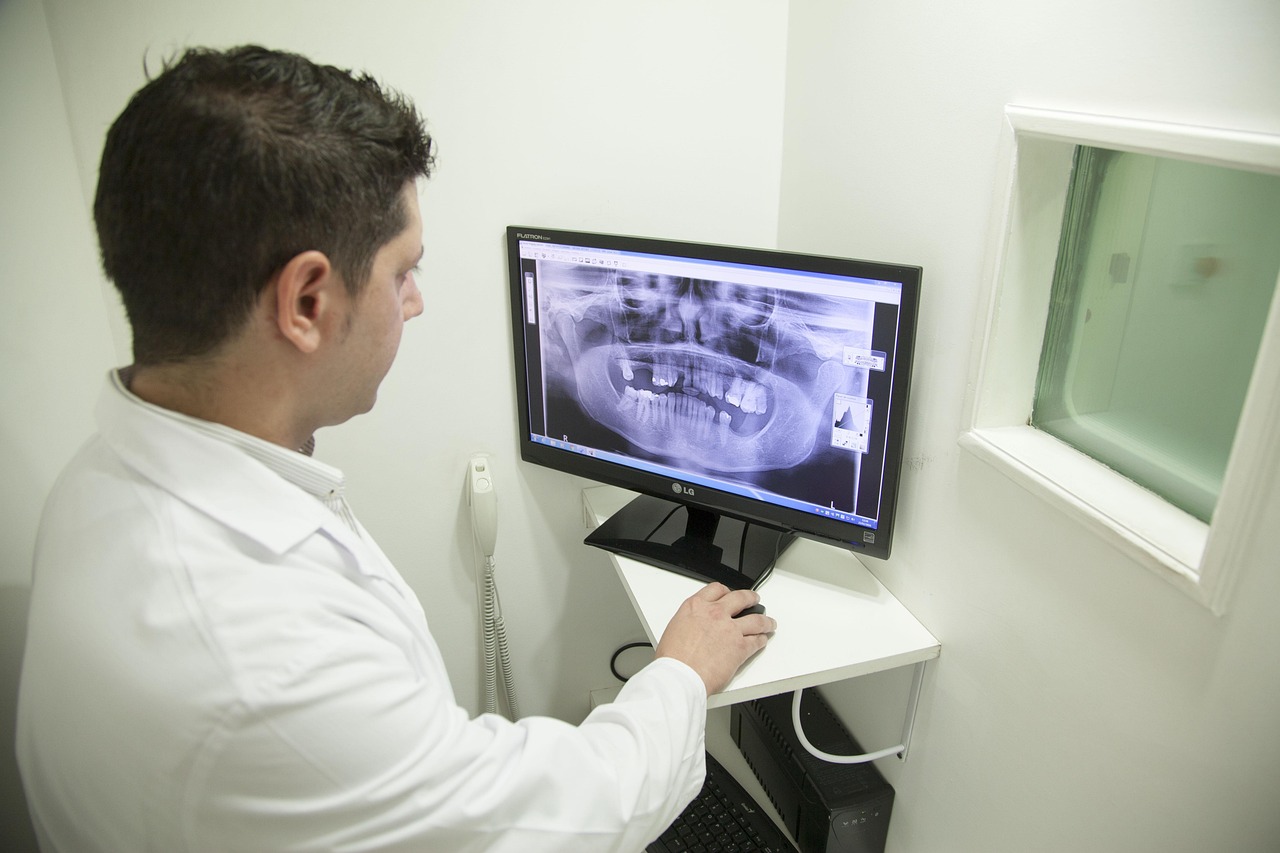

Interpreting Abnormalities in Cat Dental X-rays
Dental health is crucial for cats, and X-rays play a vital role in diagnosing potential issues. Abnormalities observable in cat dental X-rays can indicate several conditions, such as periodontal disease and tooth fractures. These images help veterinarians assess the extent of damage and identify specific problems that may not be visible during a routine dental examination. Some common abnormalities include changes in bone density, evidence of infection, and unexpected growths. It is essential to understand these images in conjunction with a cat’s symptoms and medical history. X-rays allow for visualization of both the teeth and surrounding structures, providing a comprehensive overview of oral health. For instance, a fractured tooth might lead to further complications if left untreated. Additionally, age-related changes can also show up on X-rays, illustrating the importance of regular check-ups as cats age. Vets recommend dental X-rays at least once a year, or more frequently for those with known dental issues. This proactive approach ensures early detection of potential problems, improving the effectiveness of treatment and enhancing the quality of life for feline patients.
Understanding Common Findings
When examining cat dental X-rays, certain findings can frequently appear, requiring careful analysis. Common findings include signs of periodontal disease, which may manifest as bone loss around the teeth, indicating inflammation and infection. Another essential change is the presence of any tooth resorption, a painful condition characterized by the progressive destruction of the tooth structure. This condition often shows up in X-rays as areas of irregularity within the tooth roots, representing the resorbing process. Distinguishing healthy bone from unhealthy bone on radiographs is critical; healthy bone appears dense and well-defined, while unhealthy bone can appear fuzzy or non-uniform. Additionally, if teeth appear misaligned, this can indicate previous trauma or congenital abnormalities. The identification of foreign objects or lumps can also be pivotal in diagnosis. Sometimes, imaging is accompanied by other diagnostic techniques, such as dental examinations and oral evaluations. Vets encourage cat owners to stay informed about what X-rays reveal to enhance their understanding of their pet’s dental health status. By educating themselves, owners can actively participate in their cats’ care and treatment plans, leading to better outcomes.
Interpreting abnormalities in cat dental X-rays also involves recognizing symptoms associated with dental diseases. Owners might notice persistent bad breath, difficulty eating, or pawing at the mouth. Such symptoms can correlate with the need for diagnostic imaging. If these signs are present, a vet may recommend X-rays to assess the underlying conditions properly. Whether it’s detecting infections or evaluating the health of the jawbone, imaging aids in providing critical insights. Each condition has its specific appearance on X-rays. For instance, dental abscesses may create irregular radiolucent areas near the tooth roots. Identifying these abnormalities urgently can lead to timely treatments like extractions or antibiotic therapy. Physicians must remain vigilant during interpretation, as misreading can result in wrong diagnoses. Keeping an open line of communication between cat owners and veterinarians is key during this process. Veterinary professionals need to explain the significance of the findings clearly. With proper discussion, owners can better understand treatment options and their implications for their cat’s overall health and wellbeing. Maintaining healthy teeth in cats positively impacts their quality of life.
Furthermore, dental X-rays are essential in pre-operative planning for dental procedures in cats. Knowing the exact conditions affecting a cat’s dental health can determine the best course of action before any surgical intervention. For example, the presence of extensive periodontal disease may warrant more complex procedures, while healthy teeth may only require a simple cleaning. Surgical approaches often rely on these films to visualize tooth roots and surrounding bone structure, ensuring that veterinarians have adequate information before commencing treatment. Moreover, clear documentation of any abnormalities can help track changes over time, enabling comparisons between past and present status. This ongoing assessment is invaluable for planning future treatments and understanding the progression of oral diseases in felines. The use of X-rays can also reveal anatomical anomalies that might complicate surgical setups. Owners must understand that these images are just as crucial as the physical exams and should always be part of routine dental evaluations. An informed cat owner can more readily advocate for their pet’s health, ensuring his or her dental needs are adequately addressed.
Post-Diagnosis and Treatment Options
Following the interpretation of X-rays, various treatments may be recommended based on the abnormalities identified. In cases of periodontal disease, treatment often involves professional cleaning, scaling, and possibly surgery. For instances of tooth resorption, extraction might be the only option to alleviate pain and prevent further complications. If an abscess is found, antibiotics or drainage may be necessary to eliminate the infection. Alongside these treatments, educating cat owners on post-treatment care becomes a priority. This education includes instructions on at-home dental care, such as regular brushing and dental treats designed to maintain oral health. Moreover, regular check-ups following treatment can be paramount in preventing the recurrence of dental issues. Moreover, maintaining a balanced diet contributes to overall dental wellness. It is important that owners remain observant of their cats’ behaviors and report any signs of discomfort promptly. Comprehensive treatment and follow-up play important roles in ensuring that the cat’s dental health is well managed long-term. Owners equipped with the right knowledge and tools can make a significant difference in their pet’s oral health.
Communication with your veterinarian is crucial in addressing any concerns about your cat’s dental health effectively. Many factors can influence a cat’s dental condition, including diet, age, and oral hygiene practices. Understanding these factors can inspire owners to adopt preventive measures actively. Seek a veterinary professional who is willing to explain the intricacies of X-ray findings. This discussion is imperative for clarifying treatment options and expectations afterward. Additionally, pet insurance options might alleviate some financial burdens associated with dental procedures. Speak with your vet if you’re interested in coverage for preventative care and dental treatments. Owners must monitor their cat’s health closely, particularly after a dental intervention, as reactions can vary. Being aware of potential complications can further enhance safety and recovery protocols. Owners should maintain regular monitoring for any changes in eating habits or overall behavior following procedures. With continuous vigilance, unexpected issues can be intercepted promptly. Establishing a routine that incorporates periodic X-rays can also serve as a preventive measure against serious dental problems.
The Importance of Regular Dental Check-Ups
In summary, the significance of regular dental check-ups cannot be overemphasized in maintaining optimal oral health in cats. Just like humans, cats benefit significantly from routine dental evaluations, including annual X-rays. During these assessments, potential issues can be identified early before they escalate into more significant concerns. By integrating X-rays into regular examinations, veterinarians can detect subtle changes over time, which aids in understanding an individual cat’s dental health trajectory. Cats often conceal signs of discomfort, so being proactive in monitoring their dental health is crucial. These check-ups foster a collaborative relationship between veterinarians and owners, enhancing understanding of treatment choices. By prioritizing oral health, owners can contribute to their cat’s longevity and happiness. They should recognize that early detection can save time, stress, and money in the long run while improving the cat’s quality of life. Thus, dental health is vital, and responsible cat ownership includes honoring their dental needs through regular veterinary visits.
In conclusion, interpreting abnormalities in cat dental X-rays plays a significant role in ensuring feline dental health. The integration of imaging into regular veterinary care is essential for detecting and managing dental diseases effectively. Understanding what X-rays reveal sheds light on the necessary steps to maintain the well-being of our beloved pets. Owners should educate themselves to remain informed and engaged in their pets’ health care journey, communicating openly with their veterinarians. By doing so, they can ensure that their cats receive the best possible care tailored to their specific needs. Regular check-ups, prompt intervention, and a proactive approach make a tangible difference in feline dental health. Through effective dental care strategies, cats can enjoy happier, healthier lives, free from the pain associated with dental disease. Overall, caring for a cat’s dental health represents a commitment to their overall wellness. As responsible owners, we must prioritize and endorse such essential practices, securing a bright future for our furry friends. By interpreting X-rays correctly and responding appropriately, we pave the way for better health outcomes for our pets. This level of care reflects our devotion to their well-being, ultimately benefiting us all.