
Puppy Weight Management: Preventing Obesity Through Proper Nutrition
Maintaining a healthy weight in puppies is essential for their overall health and longevity. Proper nutrition plays a pivotal role in achieving this goal. Puppies, like human children, require adequate nutrients to support growth and development. Feeding them improperly can lead to obesity, which can cause various health issues later in life. It is vital to understand the nutritional needs of your puppy based on their breed, size, and age. Consulting with a veterinarian can help determine these needs. Additionally, choosing high-quality puppy food that lists meat as the primary ingredient and ensuring it meets the AAFCO standards is crucial. Incorporating vegetables and fiber can help with digestion and feeling full. Puppies are naturally curious and active, requiring exercise to burn off calories and maintain a healthy weight. Monitoring their body condition score regularly can also help indicate whether they are at a healthy weight. Balancing their food intake with their exercise routine is critical for keeping them trim, active, and healthy, setting the foundation for a long, happy life together.
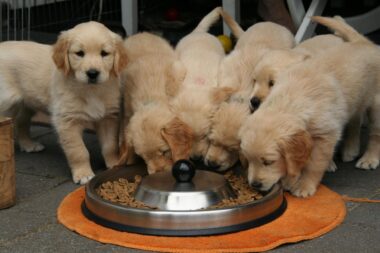
Understanding portion control is vital in puppy weight management. Many pet owners often underestimate the amount of food required by their puppies. Feeding guidelines on puppy food bags can provide a basic starting point, but individual needs vary significantly. It’s important to measure their food. Using a standard measuring cup can prevent overfeeding. Involving your veterinarian in setting an appropriate feeding schedule is advisable, particularly if your puppy has health issues or is prone to weight gain. Additionally, it’s crucial to avoid free-feeding, which can lead to excessive calorie intake. Adopting a routine feeding schedule helps monitor food intake effectively and prepare the puppy for a consistent routine. Treats should be given sparingly; using small pieces of vegetables instead can be a healthy alternative that satisfies their craving. Moreover, establishing a routine for feeding times can contribute to digestive health. Also, avoid feeding your puppy from the table, which encourages begging behavior and unhealthy food choices. Being consistent with portion sizes and feeding times creates a sensible environment for puppies to thrive while preventing unwanted weight gain.
The Importance of Physical Activity
Physical activity is another essential component of successful puppy weight management. Puppies are energetic animals and need regular exercise to stay fit and healthy. Daily walks, playtime, and engaging activities not only help control their weight but also fortify the bond between you and your pet. Puppies can benefit from activities that enhance their mental and physical well-being, like playing fetch or agility training. Engaging them in activities that stimulate their minds will help reduce boredom and prevent unwanted behaviors. Frequent short sessions of play, rather than longer, infrequent playtimes, can be more effective in managing weight. It’s crucial to ensure that the exercises are age-appropriate, as overexertion can be harmful to growing puppies. Regularly monitoring their level of energy and tail wagging indicates they are enjoying their exercise routines. Consider enrolling in puppy training classes, which offer both training and socialization opportunities as well. Coordinating playdates with other puppies allows them to expel energy and encourages healthy interactions, essential for social development and reducing stress, contributing to healthier weight management.
Another critical factor in managing puppy weight is understanding the biochemical composition of your puppy’s diet. It’s crucial to comprehend the different components of puppy food, as carbohydrates, proteins, and fats all play a significant role in their growth and energy levels. Proteins are particularly vital during their early stages, supporting muscle development and repair. However, fats provide necessary energy, but the type of fat makes a significant difference. Omega-3 and Omega-6 fatty acids contribute significantly to the health of a puppy’s skin and coat while maintaining overall body function. Awareness of calorie density in foods can prevent unwanted weight gain. Selecting high-quality products formulated specifically for puppies often means they have balanced compositions and adequate nutrients. Therefore, always read ingredients and nutritional information listed on the packaging and consult a vet if any confusions arise. Ensuring that the food provided meets specific caloric needs while maintaining a proper mix of nutrients is essential in combating obesity while fostering growth and energy. Proper nutritional awareness can enable owners to make better decisions regarding their puppy’s health needs.
Healthy Treat Options
Treats can be an important part of a puppy’s diet, but moderation is crucial in preventing obesity. Understanding the best treat options can help maintain your puppy’s weight while also satisfying their cravings. Rather than using calorie-laden treats, consider healthier alternatives like fresh fruits and vegetables. Items like carrot sticks, apple slices, or green beans can serve as low-calorie, nutritious snacks. When you opt for commercial treats, choose those made with high-quality ingredients that include natural meat proteins and are free from fillers and preservatives. Furthermore, be mindful of portion sizes when it comes to treats, as they can add up quickly in terms of calories. Implementing the 10% rule can be a great guideline: no more than 10% of your puppy’s daily caloric intake should come from treats. Using a portion of your puppy’s meal as a training treat can also be a practical approach. Moreover, engaging in interactive feeding toys can make treat time more stimulating and fun, shifting the focus from quantity of treats to the experience of earning them through play and work.
Regularly tracking your puppy’s weight change is fundamental for effective weight management. Monitoring weight should become a habit, and regular check-ins with your veterinarian can establish benchmarks. Understanding growth trends can effectively indicate how well your feeding and exercise routines are working. Using a scale to document weight over time ensures that you notice even slight increases before they become significant issues. Implementing a body condition score can help improve accuracy in precise measurements. Appropriate scoring guides can help pet owners assess whether their dogs are underweight, ideal, or overweight effectively. Keeping a record of dietary intake alongside exercise routines can help foster a clearer picture of your puppy’s well-being. Consider using a journal or an app dedicated to dog health to track everything comprehensively. Furthermore, if your puppy experiences difficulty in adjusting to dietary changes, consulting your veterinarian can offer additional solutions or a specialized diet plan. You can develop a more tailored approach by keeping detailed records to ensure your puppy remains on the right track toward a healthy weight.
Consulting with Veterinarians
Lastly, seeking guidance from veterinarians is an essential part of managing your puppy’s weight effectively. Since each dog is unique, veterinary professionals can offer tailored advice based on individual health, breed, and lifestyle. Regular check-ups allow for the evaluation of weight and body condition, enabling timely interventions if any issues arise. Furthermore, veterinary consultations can help identify underlying health conditions, such as hypothyroidism or diabetes, which may hinder weight management. Discussing dietary needs with your veterinarian can lead to the development of appropriate nutrition plans, including suggestions for food distribution throughout the day. Veterinarians can also recommend exercise regimens that suit your puppy’s developmental stage. These professionals can offer advice on any breed-specific needs or dietary restrictions, helping to find the best diet suited for your furry friend. Always remember to communicate any changes in behavior or appetite, as these can provide valuable insights regarding their health. Involving a professional ensures you’re making informed decisions that promote long-term health and wellness, ultimately benefiting your puppy’s quality of life.
As a puppy owner, taking a proactive approach to your pet’s dietary habits is crucial. Remember that weight management doesn’t just benefit your puppy now; it ensures they lead a healthy life as they age. You will enjoy many years together if you keep your puppy at a healthy weight by integrating a balanced diet, exercise, and veterinary consultations into your routine. Ultimately, creating a home environment that promotes healthy eating and physical activity can help instill good habits early on. By investing the time and effort into understanding and implementing appropriate nutrition for your puppy, you will contribute to their happiness and well-being. An active puppy is a healthy puppy, and understanding their nutritional needs will contribute immensely to this aspect. Being a responsible pet parent means being aware of the importance of preventing obesity and its associated health problems. Let’s make a commitment together to ensure our puppies thrive through proper nutrition and regular exercise. Not only will this empower them to grow into healthy adult dogs, but it will create lasting joy for you as an owner. Partnering with your puppy in their growth journey is a rewarding experience for both of you.