
Stress-Reducing Grooming Tips for Allergic Dogs
Grooming your dog is essential, especially if they suffer from allergies. By maintaining hygiene, you can help alleviate symptoms that lead to discomfort. Here are some essential tips to ensure a smooth grooming experience for your allergic dog. First, choose hypoallergenic shampoos that are free of harsh chemicals. Always perform a patch test before using a new product. Next, consider using gentle grooming tools that won’t irritate their skin. Look for brushes with soft bristles that minimize discomfort. Create a calming environment by playing soft music or using aromatherapy designed for pets. This can help reduce anxiety during grooming. Additionally, set a schedule for grooming sessions to make it predictable for your dog. A familiar routine helps them feel secure. Restrain your dog gently but effectively to help them stay calm. Gradually introduce grooming tools, allowing them to sniff and investigate. Always reward your dog after grooming sessions with treats or praise to create a positive association. This helps ease the process over time and prevents anxiety from returning. Ultimately, patience and care are key to a successful grooming experience for allergic dogs.
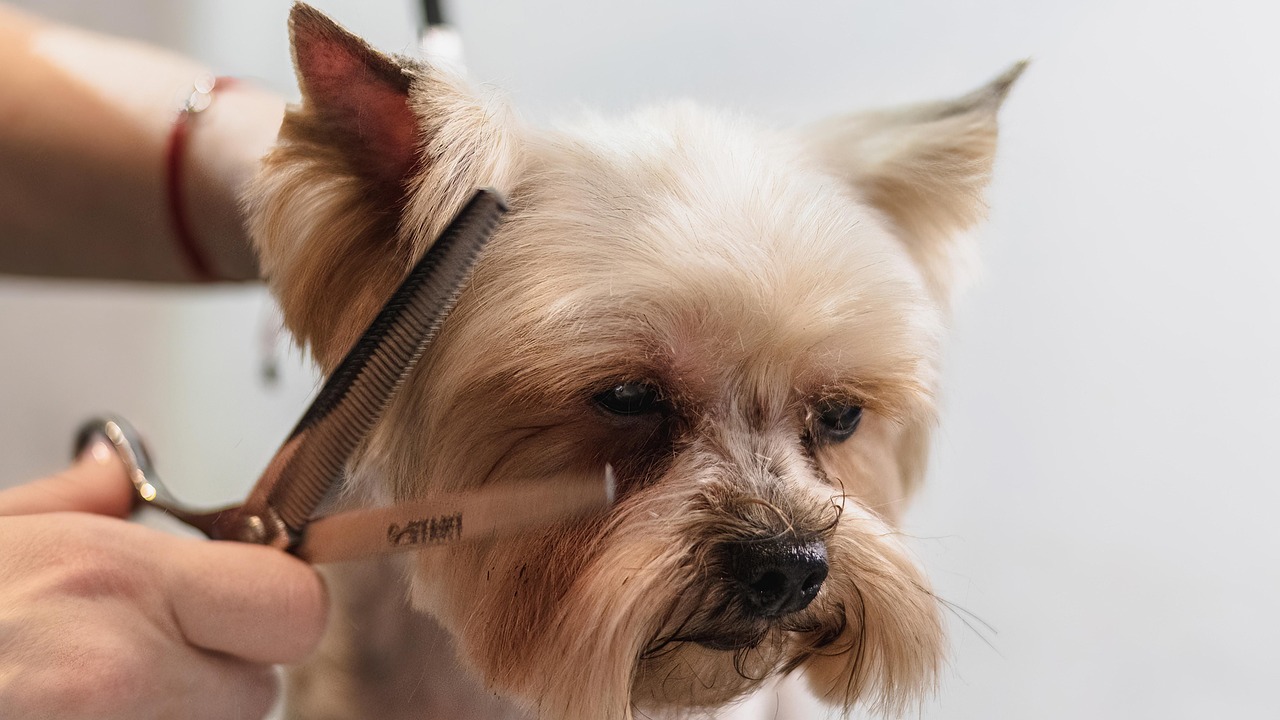
Next, keep your dog’s coat well maintained. Frequent brushing helps reduce the amount of dander and allergens. Brushing should ideally be done outside to minimize indoor allergen accumulation. Aim for at least two to three times a week. Regular baths can also assist in keeping allergies at bay. Ensure you don’t bathe them too often as this can lead to dry skin. Use lukewarm water and thoroughly rinse out any shampoo to avoid irritation. When drying your dog, opt for a gentle towel rather than a blow dryer, as loud noises can add stress. This is especially crucial for nervous dogs. Additionally, consider using a dog grooming service that specializes in handling allergic dogs. Professional groomers often have experience and tools to make the process easier for both you and your pet. Before visiting a groomer, make sure to discuss your dog’s allergies and sensitivities. This way, they can tailor their services accordingly. Before returning home, give your dog some time to relax after their grooming session. A calm space helps them adjust and feel secure after the experience. These tips can significantly enhance the grooming experience for allergic dogs.
Understanding Allergies in Dogs
Understanding what triggers your dog’s allergies is paramount for effective management. Allergies in dogs can stem from various sources, including food, environmental factors, and grooming products. Common symptoms of allergies include itching, redness, and excessive grooming. Consult your veterinarian to identify specific allergens affecting your furry friend. Once you know what to avoid, you can make informed choices about grooming products. Choose shampoos, conditioners, and topical solutions that are hypoallergenic and specifically formulated for dogs with sensitivities. Additionally, keep in mind that natural ingredients are generally safer. Avoid fragrances and dyes in grooming products as these can aggravate allergic reactions. Monitoring your dog post-grooming is crucial. Watch for any signs of irritation or allergic reactions after using new products. If you observe any adverse effects, discontinue use and consult your veterinarian. Furthermore, keeping your home environment clean can significantly help in reducing allergy flare-ups. Regularly wash bedding, blankets, and toys to minimize allergens. A clean environment promotes better skin health and reduces allergy symptoms in the long run. Always prioritize your dog’s comfort and well-being during grooming sessions to ensure a stress-free experience for both of you.
In addition to observing grooming products, consider employing specific grooming techniques tailored for allergic dogs. Avoid frequent haircuts unless necessary, as cutting can irritate the skin and lead to increased sensitivity. Instead, focus on regular brushing to keep the coat healthy and free of tangles. During brushing, handle sensitive areas with extra care. Some dogs may have specific spots that require gentler handling. Always be attentive to your dog’s reactions during the process. Creating a positive grooming experience entails recognizing when they are uncomfortable. Gradually introduce grooming styles by allowing them to choose the process length. Keep sessions short, ideally around 10 to 15 minutes, especially when starting. This length keeps them relaxed while adapting to the process over time. Break down the grooming tasks into small, manageable parts, alternating between brushing and treats to maintain their attention and reduce anxiety. When grooming is consistent and gentle, bonds with your dog strengthen. Frequent handling will not only enhance grooming results. This practice can ensure your dog feels supported and safe. With the right techniques, you can nurse your dog’s allergies effectively while ensuring they look great too.
Additional Tips for Smooth Grooming Sessions
Another strategy to minimize stress during grooming is to prepare your dog beforehand. Before starting a grooming session, spend some time playing and bonding with them to help alleviate anxiety. This can make them feel more secure and relaxed during grooming. Additionally, it’s important to create a comfortable grooming area. Designate a quiet, well-lit space with minimal distractions. If your dog tends to be jumpy or nervous, consider using a non-slip mat to keep them secure in place during the grooming process. Likewise, utilize positive reinforcement techniques throughout the grooming session. Praise with a warm voice, and offer treats frequently to create positive associations. This practice yields a cooperative dog and potentially less frustration during the grooming activity. As mentioned earlier, introduce products and tools gradually to your allergic dog. Allow them to sniff and see new items before use. This approach familiarizes them with grooming items and reduces fear. After grooming, allow your dog to indulge in relaxing activities, such as their favorite game or a gentle walk. This balance between work and play ensures every grooming session ends on a positive note for your dog.
Lastly, consider the seasonal effects on your dog’s allergies when planning grooming sessions. Spring and summer can be particularly challenging due to increased pollen and allergens in the air. During these seasons, grooming more frequently can help manage allergens effectively. Pay special attention to the paws and belly, as those areas may collect more allergens. After outdoor walks, consider wiping down their paws and belly to cleanse them before re-entering your home. Utilizing moist wipes designed for pets can be effective and gentle. Beyond just grooming, ensuring your dog is maintaining a healthy diet contributes significantly to managing allergies. Consult with your veterinarian to adjust their diet if necessary. Incorporate omega fatty acids, which can help nourish the skin and coat while potentially reducing allergy effects. Use high-quality dog food with limited ingredients to avoid unnecessary allergens. Finally, maintain open communication with your veterinarian and groomer. Share knowledge about your dog’s specific allergies, which can significantly aid in managing their grooming experience. This unified approach ensures your dog’s well-being while obtaining the best possible care for their grooming and allergy needs.
Final Thoughts on Grooming for Allergic Dogs
In conclusion, employing these stress-reducing grooming tips can significantly enhance the experience for allergic dogs. Reducing discomfort through careful grooming practices leads to happier, healthier pets. Focus on choosing the proper tools and products for grooming sessions to reduce allergic reactions. Always consider your dog’s preferences, as they play a vital role in their comfort and stress levels. A positive grooming atmosphere can help ease anxiety. Regular grooming provides hygiene and can offer emotional comfort. Don’t hesitate to consult with professionals if needed. Experienced groomers understand how to handle dogs with sensitivities effectively. Communicate openly about your dog’s allergies to ensure they apply the proper techniques. Always approach grooming with patience, allowing your dog to feel secure throughout the process. Also, combining grooming with enjoyable activities ensures your dog associates grooming with positive experiences. This mindset leads to a well-groomed dog who feels safe and cared for. As you continue to implement these techniques, remember to love and support your dog throughout their grooming journey. Ultimately, the bond you’ll create during this process nurtures trust and affection between you and your furry friend.
Utilize comprehensive care for your dog’s allergies through grooming. Enhancing their comfort assists in managing their overall well-being. Observing their responses during grooming builds familiarity while ensuring they remain relaxed. Addressing each aspect of your dog’s grooming needs lays a solid foundation for improving their quality of life. By following these tips, you can provide a happy, stress-free grooming experience for your allergic dog. Your commitment to their comfort reflects in your shared bond, and they will appreciate your efforts, ensuring tail wags instead of tiny whimpers.