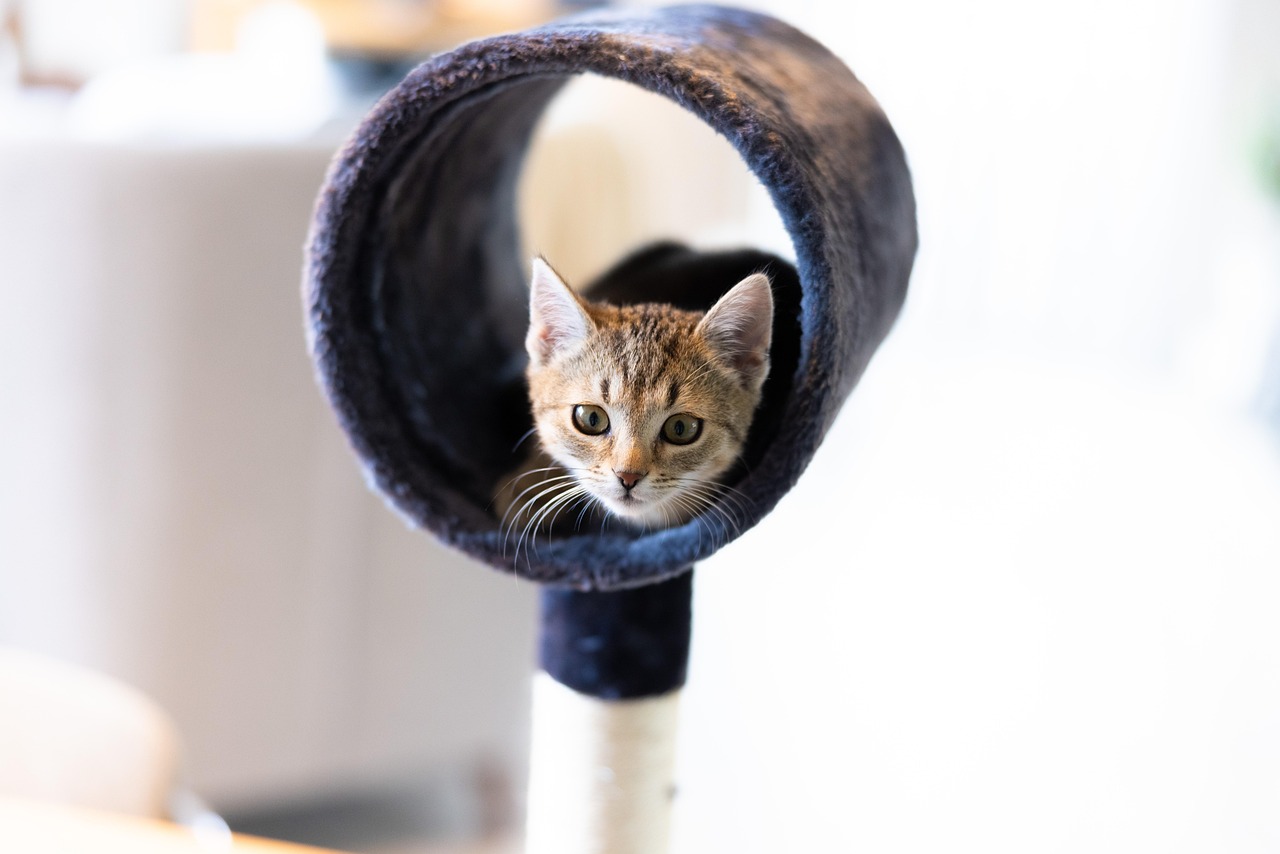

The Best Interactive Toys for Reinforcing Cat Commands
Interactive toys play a vital role in reinforcing commands for cats, providing both entertainment and mental stimulation. These toys help develop a cat’s cognitive skills while encouraging positive behaviors. Some popular types include puzzle toys, treat-dispensing balls, and laser pointers. Puzzle toys can be especially beneficial, as they challenge your cat to solve problems for rewards, ultimately reinforcing commands. Treat-dispensing toys not only motivate cats to respond to commands but also offer rewards quickly. Laser pointers engage cats in a dynamic way, prompting them to follow commands when you give a cue to chase the light. More importantly, incorporating these toys into play sessions will create a routine that helps in establishing important commands in a fun manner. Cats learn as they play and find success in following your lead, allowing for effective communication. Be sure to monitor your cat during playtime with any interactive toys. Supervision is essential to ensure safe interactions and to maximize the benefits of these toys. You can also rotate through different toys to keep your cat engaged and eager to learn.
In addition to engagement, using interactive toys can significantly enhance your cat’s behavioral learning process. For successful command reinforcement, associating toys with verbal commands or gestures is essential. Start by introducing a specific toy when teaching commands. For instance, use a puzzle toy when teaching “sit” or “stay,” ensuring the toy is highly appealing. With consistency, your cat will connect the act of performing the command with receiving the toy as a reward. This method strengthens the bond between you and your pet while promoting obedience. Furthermore, establishing a schedule for training sessions is critical. Kittens, for example, benefit greatly from daily play sessions that include interactive toys. Short, focused playtimes prevent frustration and enhance learning opportunities. Aim for sessions of around 10 to 15 minutes, allowing for breaks as needed. Incorporating various toys into these sessions helps maintain interest and motivation. Using positive reinforcement techniques, such as treats or praise, will further ensure that your cat understands the desired behaviors. Remember that patience is key, as no two cats learn at the same pace. Regular practice will increase skills and lead to more effective command reinforcement.
Choosing the Right Interactive Toys
With numerous interactive toys available today, selecting the right one for your cat is crucial in reinforcing commands effectively. When choosing toys, consider your cat’s personality and activity level. For highly energetic cats, a combination of chase toys, like feather wands and laser pointers, can provide significant stimulation. On the other hand, less active cats may find puzzle toys more appealing. Puzzle options engage their minds without overwhelming them physically. Look for toys that are adjustable or have varying difficulty levels to match your cat’s growth and adaptability. This approach will help keep them interested in learning new commands over time. Beyond functionality, safety should also be prioritized. Always inspect toys for choking hazards or small parts that could pose risks. Consider materials as well; non-toxic and durable materials are essential to withstand daily use. Furthermore, doesn’t forget to evaluate the maintenance required. Some interactive toys may require frequent cleaning or battery replacement, so consider how easy they are to care for. Investing time in selecting the appropriate toys is a rewarding step in enhancing your cat’s learning experience while ensuring their safety and happiness.
As your cat learns new commands through play, it’s essential to recognize that each cat has individual learning styles. Some may respond more effectively to verbal commands, while others may require visual cues or physical gestures. Tailoring your approach based on your cat’s preferences can enhance the training process. For instance, if your cat prefers visual stimulation, blend your commands with clear hand signals, thus reinforcing learning through visual engagement. Additionally, it’s beneficial to reward your cat immediately after they successfully complete a command. This not only reinforces positive behavior but also helps them associate the command with the reward. Consistency in commands and rewards is crucial for effective training. Ensure every member of the household uses the same commands to prevent confusion. Establishing a clear communication channel fosters greater understanding and quicker learning. Keep sessions upbeat and positive to maintain your cat’s interest and enthusiasm during training. Avoid forceful corrections or punitive measures, as these can lead to anxiety and mistrust. Instead, focus on positive reinforcement, which promotes a harmonious relationship. By respecting their intelligence and individual personality, you create an environment where effective command reinforcement occurs naturally.
Incorporating Technology in Training
In the modern age, technology offers innovative ways to enhance cat training and learning commands. Various apps and smart toys are designed specifically to engage cats by using their natural instincts. For example, some toys can imitate the movements of prey, encouraging cats to use their hunting skills. This can be an exhilarating way to reinforce commands like “come” or “play.” Additionally, technology-driven toys can be programmed to dispense treats, further establishing positive associations when executing commands. By integrating technology, you can ensure that training remains engaging and fun, appealing to your cat’s curiosity. Furthermore, many interactive toys come with apps that track your cat’s activity levels or learning progress. This valuable information can help you adjust training methods accordingly based on your cat’s responses. Remember to embrace the era of tech-savvy training while keeping screen time limits in mind. Safety is paramount; ensure the toys and apps you use are reliable and safe for your cat. Many of these innovative tools provide not just interaction but valuable bonding time, thus making command reinforcement intuitive and natural.
Setting the right environment for training can significantly influence a cat’s ability to learn commands. Ensure that the play area is safe, quiet, and free from distractions where your cat can focus entirely on tasks. Creating a positive training ambiance is essential for effective communication. Consider utilizing low-light settings with soft music to create a calming environment. This approach will minimize stress and help your cat feel more relaxed during training. Over time, consider introducing varied environments for training sessions. Challenging your cat in different settings aids in solidifying commands as they learn to focus amid distractions. It is also important to remain observant of any subtle signs of frustration or boredom from your cat. Recognizing these signals can help you adjust the intensity and type of toys you use. Continuous interaction fosters a sense of stability and familiarity for your cat, encouraging consistent command responses. Utilize breaks during training sessions to maintain your cat’s enthusiasm and motivation to learn. Offering praise or a small treat boosts their confidence, reinforcing the bond shared between you and your feline companion. Keep it fun and varied for optimal results!
Conclusion: The Power of Play in Learning
In conclusion, interactive toys are invaluable in enriching your cat’s life and reinforcing commands effectively. They facilitate enjoyable learning experiences and promote healthy activity levels. As you explore various toys, pay attention to your cat’s interests and adapt your training style accordingly. By introducing innovative toys alongside traditional methods, you create a well-rounded learning process. Leverage technology to your advantage, integrating advanced toys and apps that provide insights into your cat’s behavior. Remember that consistency is key; adhere to clear commands and positive reinforcement techniques. This approach will cultivate an understanding between you and your cat, paving the way for effective command learning. Keep in mind that patience, observation, and adaptation are vital elements as your cat grows and learns. Engage with them in short, regular training sessions to maintain enthusiasm. Rotating through different toys and experiences will ensure long-lasting interest in learning new commands. Furthermore, create a safe and stimulating environment that invites exploration and fun. Fostering a well-trained and happy cat is a rewarding journey that strengthens your bond, making both playtime and training special for both of you.
This is another paragraph with exactly 190 words…