
The Importance of Play in Developing a Healthy Kitten
Play is an essential facet of a kitten’s early life, promoting both mental and physical health. Engaging in play allows kittens to develop crucial social skills, enhancing their instincts and behaviors. This vital activity helps kittens learn about their surroundings while honing their motor skills. Through play, they also discover boundaries, learning how to interact with other cats and humans effectively. Additionally, play can prevent behavioral issues in the future, such as excessive aggression or anxiety. By providing a safe and stimulating environment, owners help their kittens thrive. Toys, cardboard boxes, and climbing structures offer diverse play experiences, adding excitement to their routine. Interactive toys, like wand toys or laser pointers, engage kittens fully, ensuring they receive adequate exercise. Especially during their formative months, play shapes the personality and confidence of kittens, making happy and well-adjusted adult cats. Regular play sessions foster a strong bond between kittens and their caregivers, creating a secure atmosphere. Moreover, these playful interactions are not only enjoyable but critical for a kitten’s social development. Owners should prioritize providing diverse play options to keep their kittens mentally stimulated and emotionally balanced.
Physical activity through play significantly contributes to a kitten’s overall health and development. Regular exercise helps to maintain a healthy weight, which is vital in preventing obesity and related health issues later in life. Kittens are naturally energetic and need an outlet for their excess energy; active play fulfills this need while developing their strength and coordination. Engaging in various activities can help improve cardiovascular fitness and muscle tone. Additionally, kittens learn to judge distance and coordination as they leap, climb, and chase their toys, which is essential for their physical growth. Furthermore, mental stimulation from play aids cognitive development, allowing kittens to explore problem-solving skills. Innovative toys can encourage creativity, inviting kittens to think critically while learning the concept of cause and effect. A well-rounded approach to kitten play that involves physical and mental challenges ensures they grow up healthy, happy, and well-balanced. Ultimately, incorporating a variety of playtime activities promotes a healthy lifestyle and well-being in your feline companion, creating a joyful atmosphere for both kittens and their human families.
Socialization plays a crucial role in the development of a kitten’s behavior and personality. Playtime interactions with siblings and humans can teach essential social cues, equipping them with skills to navigate complex social situations. Kittens learn to recognize and interpret body language, vocalizations, and other important signals through engaging play. This process ensures that as they grow, they are less likely to exhibit fear or aggression toward other animals and people. Socialized kittens are often more adaptable and easier to train due to their exposed experiences during play. Moreover, regular interaction with their caregivers enhances the human-animal bond, fostering trust and emotional security. Play is not only for entertainment; it serves as a vital tool in building relationships. Incorporating diverse toys and engaging in interactive playtime can help cats learn effective communication and develop confidence in their environment. Kittens who are socially competent are generally more comfortable in various situations as adults, leading to a harmonious household. Ultimately, prioritizing socialization through play is instrumental in developing well-adjusted adult cats who engage positively with humans and other pets.
Types of Play that Benefit Kittens
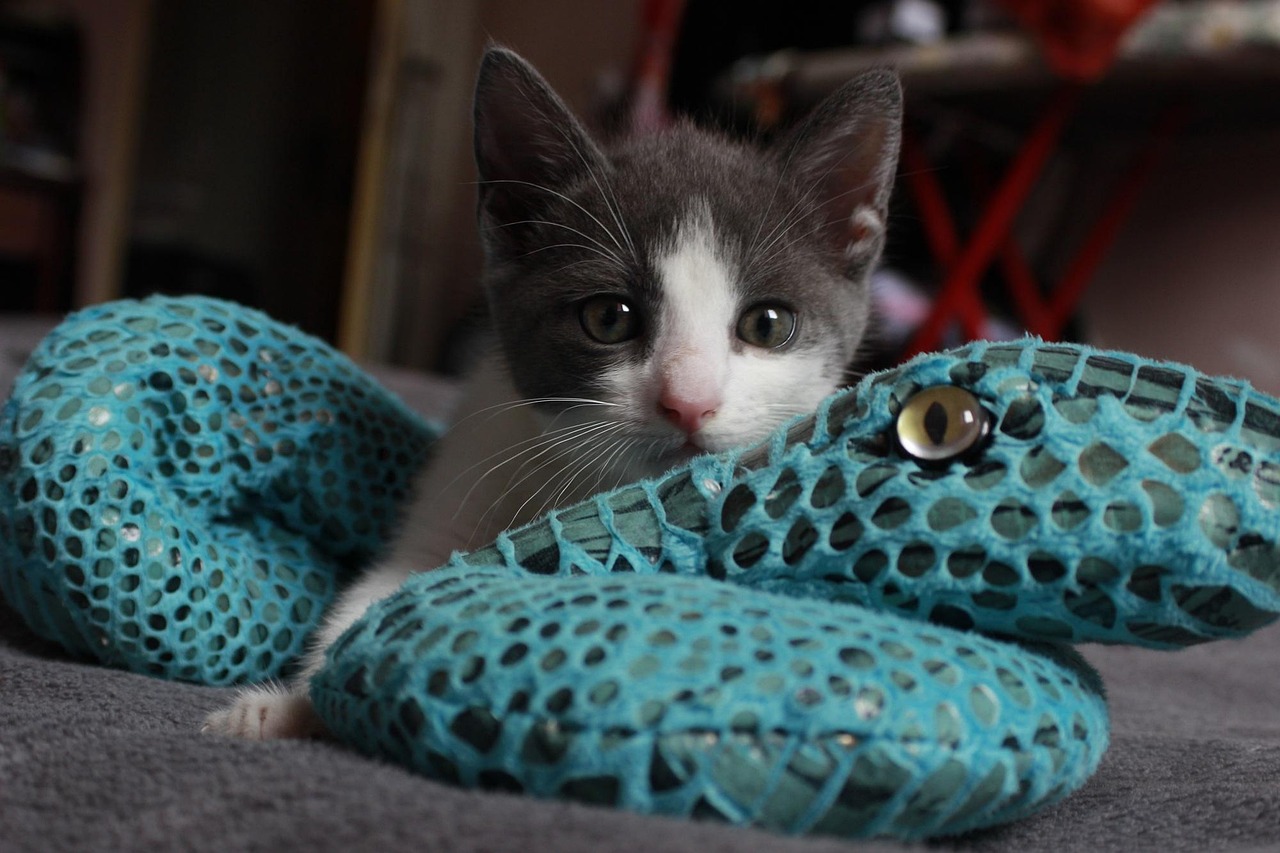
Different types of play offer unique advantages for developing kittens. Solo play, where kittens engage with toys independently, fosters creativity and stimulates problem-solving skills. This form of play encourages self-discovery and exploration, while also allowing kittens to develop a sense of independence. On the other hand, interactive play between kittens and their caregivers reinforces social bonds and is essential for promoting trust. Engaging activities, such as throwing a ball or using feathered wand toys, can excite a kitten and inspire them to be active and playful. Additionally, providing both structured and free-form play opportunities can cater to different personalities, ensuring every kitten’s needs are met. Group playtime with feline siblings allows for important lessons in social hierarchy and shared play experiences. Finally, offering puzzles or treat-dispensing toys introduces cognitive challenges, making playtime mentally stimulating. Mixing different play types ensures a balanced approach, engaging kittens in diverse ways, and encouraging a rounded development. Overall, embracing various play avenues will lead to happier, healthier kittens and ultimately enrich their quality of life.
Incorporating training into playtime can significantly enhance a kitten’s learning experience. Positive reinforcement methods, such as using treats or praise, during play can help reinforce desired behaviors and commands. When kittens associate play with rewards, they are more likely to engage enthusiastically in both training and play. This approach creates an environment where learning becomes a fun and enjoyable activity. Additionally, establishing routines that combine play and training time fosters structure in a kitten’s daily life, promoting reliability. Teaching basic commands through playful methods, such as ‘sit’ or ‘come,’ encourages responsiveness while developing a strong bond. Regular training sessions can also introduce new skills and tricks, providing mental challenges for kittens. The better documented the progress, the more rewarding the experience can become, both for the pet and the owner. Through a combination of play and positive learning experiences, kittens grow into more obedient and well-behaved adult cats. Therefore, making training an enjoyable part of kitten play can greatly enhance their development, ensuring they become loving and capable companions.
Supervising a kitten’s play is crucial for ensuring their safety during activity. Occasionally, kittens might engage in rough play that could lead to injury or accidents. Owners should always be observant and step in if play becomes too intense or aggressive. Less desirable behaviors should be redirected toward appropriate toys to encourage safe play habits. Safety measures, such as regularly inspecting toys for wear and tear, are necessary to avoid choking hazards. Furthermore, avoiding small items that could be swallowed ensures a safer environment for exploration. It’s also essential to consider the environment where play occurs; areas should be clear of breakable objects and hazards. Setting boundaries, such as initiating play with specific toys and discouraging biting or scratching, can mold kittens into well-mannered adults. By implementing these safety precautions, caregivers help create an enjoyable experience that promotes healthy play, while minimizing risks. Consistent supervision and guidance during playtime ensure kittens can enjoy their activities while remaining safe. Ultimately, safe play enables kittens to develop confidence without fear of injury, leading to a happier and healthier feline.
Conclusion: Prioritizing Play in Kitten Care
Playtime is a fundamental component of kitten care that significantly influences their overall health and happiness. By engaging in various forms of play, owners can promote physical health, encourage mental stimulation, and foster social skills within their kittens. The importance of play extends beyond just fun; it supports proper development, making it an essential priority. Caregivers should provide a variety of toys, engage regularly with their kittens, and supervise their play to ensure a safe and enriching environment. Offering consistent playtime nurtures a secure bond with kittens, ultimately leading to them becoming well-adjusted adult cats. The key lies in understanding that play should be integrated into daily routines as a means to enhance the well-being of the kitten at every stage of their life. Whether through solo activities, interactive sessions, or training during play, each interaction contributes to a kitten’s growth. Ultimately, by prioritizing play, owners can promote longevity, happiness, and health in their feline companions, resulting in fulfilling relationships that last a lifetime.