
Tips for Feeding Orphaned Puppies
Feeding orphaned puppies can be an overwhelming task, especially for those unfamiliar with puppy nutrition. First and foremost, it is essential to choose a high-quality puppy milk replacer. Regular cow’s milk is not suitable; it lacks essential nutrients and can cause digestive issues. Look for milk replacers specifically designed for canines. Always follow the instructions provided on the packaging for mixing or preparing the formula. Keep in mind that orphaned puppies typically need to be fed every two hours, as they cannot regulate their body temperature and require more frequent feedings. When bottle-feeding, ensure the nipple size allows for a steady flow of milk, as both underfeeding and overfeeding can harm the puppy. Use a feeding bottle or syringe, keeping the puppy upright to mimic the natural nursing position. Monitor weight daily to ensure proper growth: puppies should gain about 10-15% of their body weight each day. If any concerns arise, do not hesitate to consult your veterinarian for advice or potential troubleshooting. Proper feeding practices lead to healthier puppies with stronger immune systems, setting the stage for a bright, energetic future.
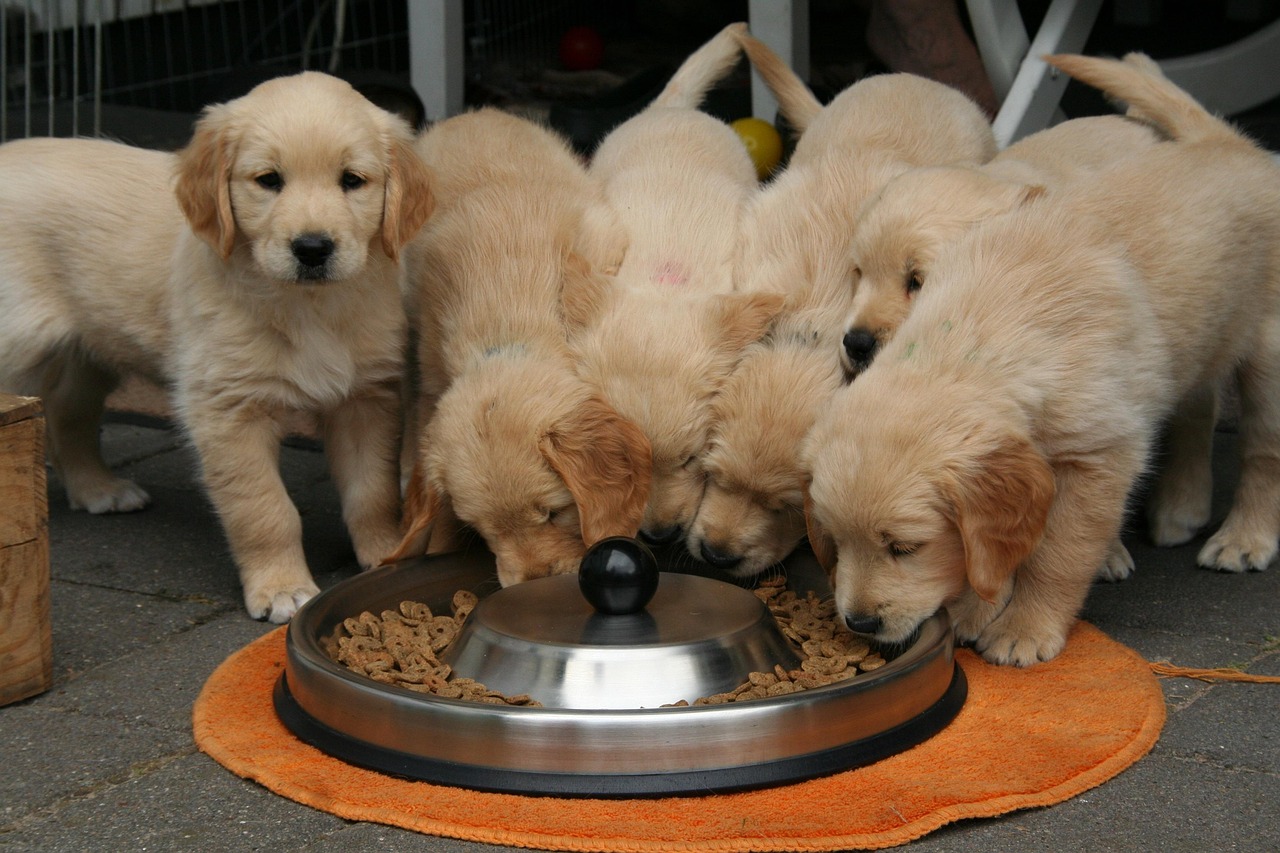
Once orphaned puppies start growing, introducing solid foods is a crucial milestone. Begin weaning between three to four weeks of age. Gradually mix puppy formula into a high-quality dry puppy food, creating a mushy consistency. Ensure water is also available to them at all times to promote hydration. The transition should take one to two weeks, allowing the puppies to adapt to the new food gradually. Once they can eat solid food without difficulty, switch to a high-protein, nutrient-rich puppy diet, tailored specifically for growth and development. Ingredients should include meat-based proteins, healthy fats, carbohydrates, and essential vitamins or minerals. Look for brands with meat as the first ingredient, avoiding fillers or artificial components. Feeding schedules should remain consistent; aim for three to four meals per day during the early stages. As the puppies grow, you can reduce feeding to twice a day. Keeping portions appropriate will prevent obesity while ensuring they absorb all needed nutrients. A well-balanced diet is fundamental to building strong, healthy puppies ready for adoption and further growth in their new homes.
Understanding Puppy Hydration Needs
Hydration is another essential aspect of puppy nutrition, particularly for orphaned puppies. Puppies can quickly become dehydrated, especially during their transition from milk to solid foods. Ensure that clean, fresh water is always accessible. Monitor their water intake, making sure puppies drink enough to stay hydrated. Stools should be firm and moist; diarrhea may occur with either dehydration or improper nutrition. If puppies refuse to drink, try offering water from a shallow dish or a syringe to encourage them. Additionally, you can soak their kibble in water or milk replacer to increase their fluid intake during weaning. Always observe for signs of dehydration, such as dry gums, sunken eyes, or a lethargic demeanor; these symptoms require immediate attention. If you have any concerns regarding nutrition or hydration, reach out to your veterinarian; they can provide guidance or further recommendations tailored to your puppy’s needs. Remember that proper hydration plays a vital role in their overall health, energy, and development, allowing them to thrive and grow both physically and emotionally.
Social interactions and weaning practices significantly influence orphaned puppies’ growth. Gentle handling helps puppies develop social skills needed for future canine relationships. From three weeks of age, introduce them to various textures and shapes of toys to stimulate learning. Enhancing mental stimulation during this phase is vital; consider using puzzles or chew toys. Puppies will benefit from engaging with their littermates, helping them learn discipline and appropriate behavior, even if they’re not in the same environment. Role-playing with kind humans can further enhance their social skills. It’s important to provide affection and comfort to these puppies, as they may feel insecure without their mothers. Regular playtime and exposure to different sounds, sights, and surfaces will build their confidence. Training sessions should start early, focusing on simple commands. Positive reinforcement will build a strong bond and establish trust between you and the puppy. Conclude these puppy discussions with the importance of patience: healthy socialization takes time, commitment, and love. By nurturing these orphaned pups, they will flourish, transitioning into well-adjusted adult dogs ready for their forever homes.
Seeking Veterinary Assistance
When caring for orphaned puppies, always be prepared to seek veterinary assistance whenever necessary. Regular veterinary check-ups should be a priority, even if the puppies appear healthy. Professional evaluations enable early detection of potential health issues. Vaccination schedules are critical; puppies typically begin vaccinations between six to eight weeks of age. Always consult your veterinarian for personalized recommendations based on your puppies’ needs and conditions. Implement deworming protocols, as most puppies are born with parasites that can affect their health and control growth. Your veterinarian may suggest specific formulas or timelines for deworming, ensuring successful outcomes. Keeping a solid line of communication with your vet supports optimal health, allowing for focused nutrition plans tailored to the puppies’ development phases. Be prepared to address any behavioral or physical concerns, including abnormal eating habits or signs of distress. Staying informed about potential puppy ailments is crucial. Knowledge and prompt communication can save lives and promote healthy growth. Together, you and your veterinarian will work on nurturing orphaned puppies, setting them on their path to becoming healthy, happy, and well-adjusted dogs.
As orphaned puppies grow, understanding their specific nutritional needs becomes essential. Puppies require a robust diet to support their rapid growth. Unlike adult dogs, puppies need higher protein levels and calories to fuel their active lifestyle and assist muscle development. Ensure you select foods designed explicitly for puppies; these formulas focus on growth requirements essential for their unique stage in life. Quality ingredients should be prioritized, including animal-based proteins and digestible carbohydrates to enhance absorption. Avoid feeding grain-free or low-quality diets, as they can lead to malnutrition and improper growth. Familiarize yourself with puppy food labels, taking the time to read ingredient lists, and avoid ingredients known to be harmful, such as by-products or fillers. Additionally, be cautious about the presence of allergens or intolerances in ingredients; observe how puppies respond to different foods. Transitioning between brands should be gradual, helping them avoid gastrointestinal distress. Balance is key: a well-rounded diet is vital for immune support, cognitive health, and energy levels. Nurturing orphaned puppies with the best nutrition sets them up for a happy, healthy life, paving their way toward becoming strong companions.
Conclusion on Orphaned Puppy Care
In conclusion, caring for orphaned puppies requires commitment, knowledge, and compassion. By understanding their nutritional and social needs, you can contribute positively to their early development. Pairing frequent feedings with proper hydration forms a solid foundation for their health journey. Always rely on your veterinarian for tailored advice and support throughout their growth phases. The transition process is critical; carefully introducing solid foods while monitoring their behaviors ensures that they adapt well to a new diet. Focus on creating a nurturing environment that fosters trust and affection, so these puppies grow up confident and well-adjusted. Training plays a significant role in their behavior development, using positive reinforcement methods to educate them encourages a healthy bond. Remember that each puppy is unique, requiring individualized attention and care to thrive successfully. As you embrace the journey of nurturing these vulnerable beings, the rewards of companionship and love will be fulfilling. Never underestimate the impact that you can have by providing care, guidance, and support to orphaned puppies, transforming their lives and creating a brighter future for them.