
Training Your Scottish Fold Cat: Best Practices
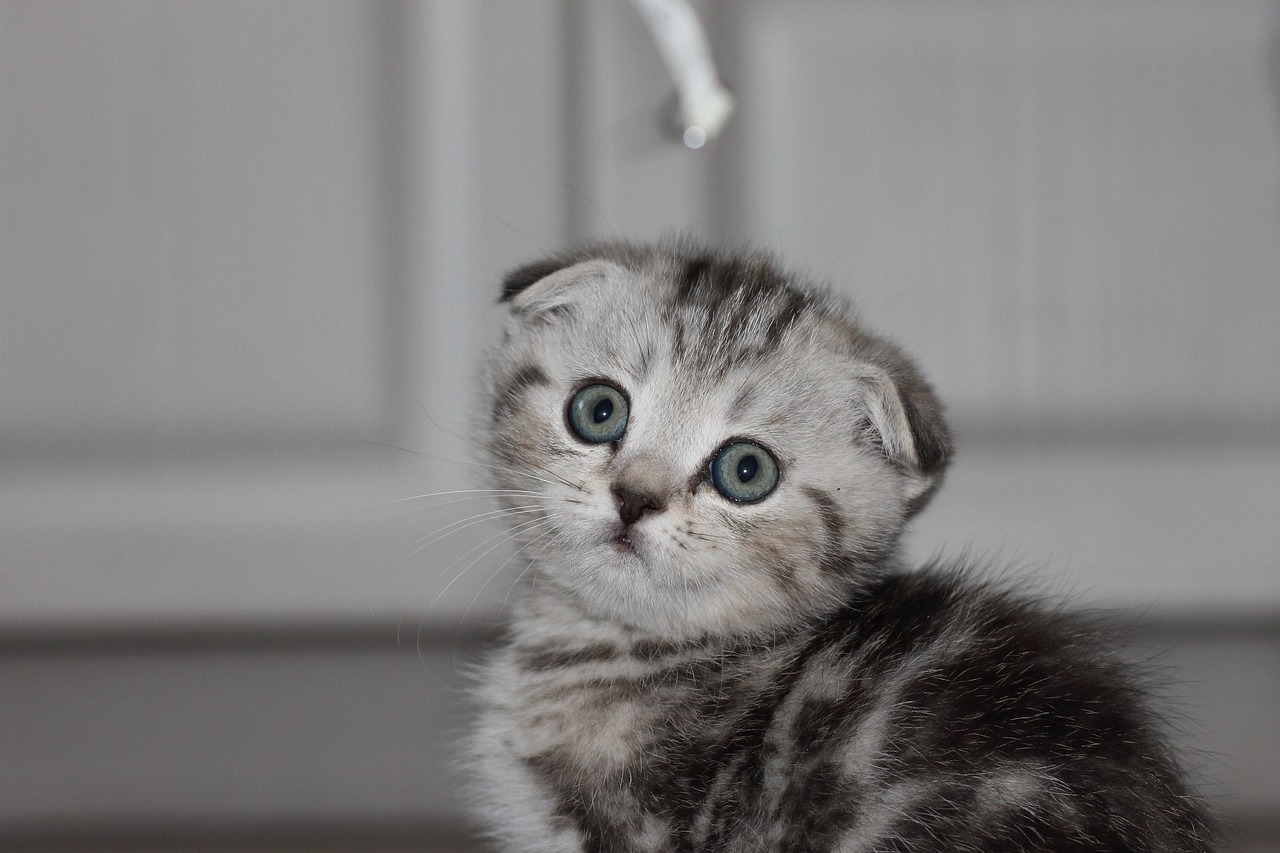
Scottish Fold cats are known for their rounded faces and distinctive folded ears, which give them an adorable appearance. However, owning a Scottish Fold requires dedication, especially when it comes to training. Proper training is essential to help your cat develop good behavior and social skills. One effective technique is positive reinforcement, which involves rewarding desired behaviors with treats or praise. This approach encourages your cat to repeat those behaviors more frequently. Remember, Scottish Folds are intelligent, so they thrive in environments that challenge them mentally. You can start with basic commands, like “sit” and “come,” using simple hand signals along with verbal commands. Establishing a routine is critical, as cats often respond best to consistency. It’s advisable to schedule training sessions for the same time each day to create a habit. Make sure the training area is free from distractions. Always keep training sessions fun and engaging to prevent your cat from losing interest. Patience is key—each cat learns at its own pace, so avoid becoming frustrated during the process. Training your Scottish Fold enhances your bond and fosters a harmonious home environment.
Another essential training aspect for your Scottish Fold is establishing boundaries. Cats can be naturally curious, and it’s important to teach them which areas they can access safely. Use a combination of verbal cues and physical barriers to reinforce this learning. You may want to place cat trees or designated play areas to redirect their energy positively. This way, they won’t feel the need to wander into restricted spaces. Additionally, scratching is a natural cat behavior. Provide scratching posts and teach your Scottish Fold to use them instead of household furniture. When your cat scratches the post, rewarding them with a treat or affection further reinforces the behavior. Gradual exposure to various environments and people will help them become more sociable. Consider introducing your Scottish Fold to different sounds, people, or even other pets, as socialization is key to a well-rounded cat. Always do this positively, allowing your cat to retreat if feeling overwhelmed. The goal is to foster confidence in your cat. Regular positive experiences will help your Scottish Fold adapt better, leading to a less stressed and more enjoyable companionship.
Socialization Techniques for Scottish Folds
Socialization plays a crucial role in training your Scottish Fold, ensuring they grow into well-adjusted adults. To start, provide various opportunities for interaction with different kinds of people and environments. Exposing your cat to new experiences while they are young can prevent future behavioral issues. As they meet more individuals, praise and reward calm behavior to encourage positive experiences. You can also utilize interactive toys that stimulate the cat’s natural hunting instincts. These toys offer mental challenges while allowing for playtime, which strengthens your relationship. Regular playtime can significantly aid in developing a bond between you and your Scottish Fold. Incorporate at least 15 to 30 minutes of interactive play into your daily routine to keep them engaged. Furthermore, consider involving your cat in market scenarios. This could include gentle walks with a harness or even traveling in a pet carrier to introduce them to different settings. Each new experience builds their confidence and adaptability. Remember that patience is essential; never force your Scottish Fold into situations they seem uncomfortable with, as this can lead to lasting fear or anxiety of new experiences.
Another effective approach to training your Scottish Fold is utilizing clicker training methods. Clicker training is a popular technique among cat owners and trainers. It involves using a clicker device to mark the exact moment a desired behavior occurs, followed by a reward. This process helps your cat associate the sound of the click with positive reinforcement, fostering quicker learning. Start by introducing the clicker with a treat when your cat engages in specific actions you want to encourage. Consistent practice is necessary; continue to click and reward to solidify positive behaviors. Gradually build up to more complex tasks, allowing your Scottish Fold time to grasp each concept. Clicker training can help reduce unwanted behaviors as well. If your cat exhibits undesirable actions, redirect them and reward the desirable behavior using the clicker. This teaches them how to behave appropriately over time. It’s a method based on understanding how cats learn and their natural behaviors. The more engaging your training sessions are, the better your Scottish Fold will respond. Clicker training can turn the training process into a rewarding experience for both you and your cat.
Common Challenges in Training
Training a Scottish Fold can present unique challenges, primarily due to their personality traits. These cats can be independent and stubborn at times, making it essential to anticipate any potential issues during training. One common challenge is a short attention span; Scottish Folds may lose interest quickly if tasks become monotonous. To combat this, keep each training session brief but engaging. Aim for 5-10 minutes per session, incorporating a variety of activities to maintain their curiosity. If your cat seems disinterested, switch to another training task or activity. Another challenge is their tendency to become overly comfortable with routines. While consistency is essential in training, introducing change gradually can help keep their minds stimulated. Also, recognize that some cats may not respond promptly to training methods as others do. It’s vital to remain patient and adaptable in your approach. If your Scottish Fold struggles with a particular command, review your techniques and try different strategies. Ultimately, building a solid foundation of trust with your cat and providing ample love and affection will enhance the training process.
Consistency is another crucial factor when training your Scottish Fold, influencing the overall success of your training efforts. Establishing clear rules and guidelines ensures that your cat understands what is expected of them. Make sure all family members are on board with these rules to avoid confusion for the cat. A lack of consistency can lead to unwanted misunderstandings, resulting in stress or frustration for both you and your Scottish Fold. Equally important is maintaining a positive attitude throughout the training process. Scottish Folds are sensitive creatures, and your mood can greatly impact their receptiveness to training. If you approach each session with enthusiasm and warmth, your cat will be more likely to engage and participate. As you train, provide plenty of breaks for your Scottish Fold. Just like humans, cats can become fatigued by repetitive tasks. Allowing for short breaks helps refresh their minds, maintaining enthusiasm toward learning. Create a rewarding environment where training transcends beyond mere commands. By emphasizing fun and companionship, training will become a joyful journey of discovery for both you and your Scottish Fold.
Maintaining Training Progress
Lastly, maintain your Scottish Fold’s training progress by regularly reinforcing and practicing learned behaviors. Consistent practice helps solidify their understanding of commands, ensuring they don’t regress. Revisit essential skills and commands frequently, as this boosts their memory retention. Regularly challenging your Scottish Fold with new tricks or tasks keeps the training process interesting. Cats thrive on variety; introducing fresh tasks will not only stimulate their minds but also strengthen your bond. Incorporate a mix of tricks alongside basic commands to keep them motivated. Utilize treats as rewards during practice, and vary the types of rewards to see what motivates your cat the most. Alongside this, observe your cat’s reactions for signs of stress or boredom, ensuring training sessions remain enjoyable. If you notice your Scottish Fold is growing weary or distracted, allow them to engage in play or allow a break. Lastly, consider scheduling periodic evaluations to track their progress. This will help you identify areas that need reinforcement and areas where your cat excels. Overall, patience, consistency, and love will create a joyful learning atmosphere for your Scottish Fold, making training a fulfilling experience for you both.
A successful training regimen for your Scottish Fold will yield rewarding results, nurturing a loving and respectful relationship between you and your feline friend. Remember the importance of patience, consistency, and positive reinforcement. With dedication and love, you will coexist harmoniously, ensuring your Scottish Fold feels secure and confident in their environment.