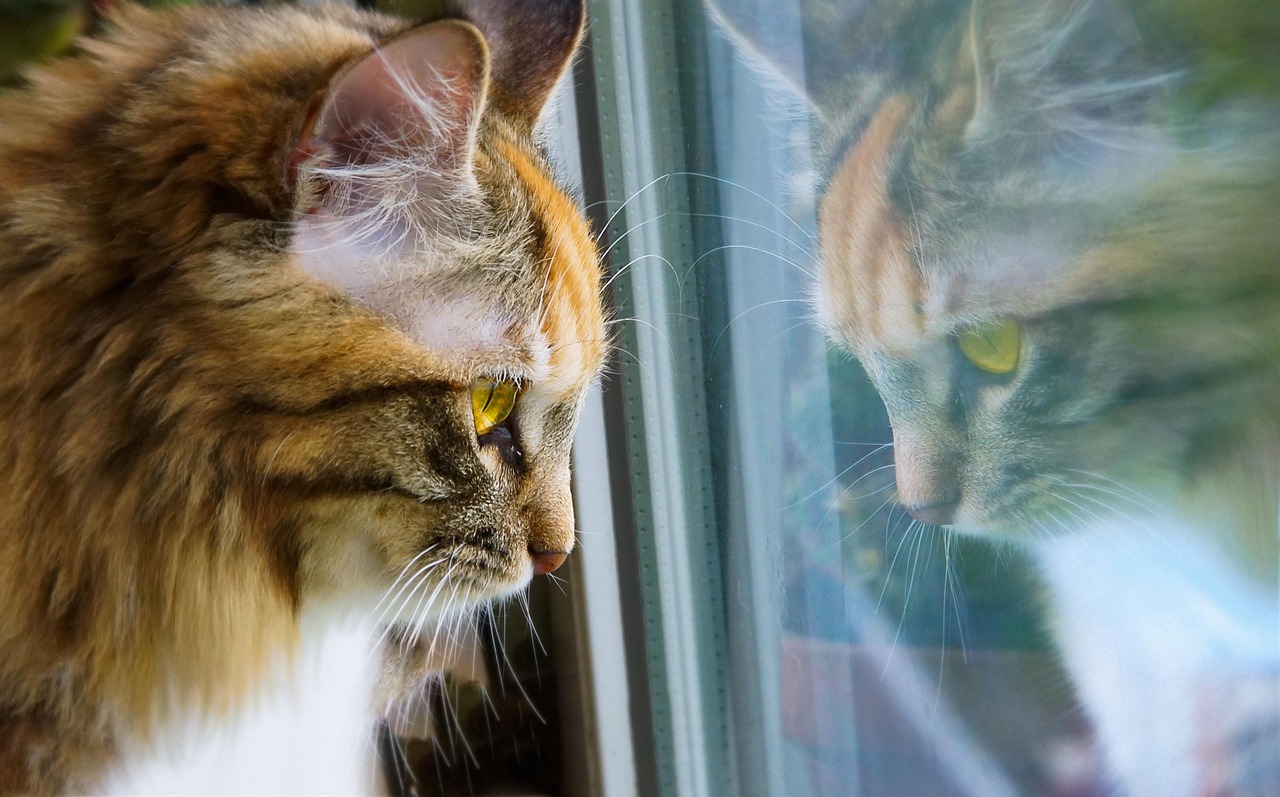

Understanding Your Cat’s Behavior During ‘Stay’ Training
Training your cat to respond to the “stay” command can be both rewarding and challenging. Understanding your cat’s behavior during this training is crucial for success. Unlike dogs, cats have a reputation for being more independent, which means that typical commands often don’t yield the expected responses. To train effectively, it’s important to keep the sessions short and engaging. Attention spans in cats are typically shorter than dogs, and long training sessions can lead to frustration for both the cat and the owner. Focus on positive reinforcement, as this is essential to creating a rewarding experience for your feline friend. Use treats or their favorite toy to encourage them to stay in place. Patience is key here! Start in a quiet environment to minimize distractions, helping your cat focus on your commands. Gradually introduce additional challenges as they become more confident with the command. Consider using visual cues alongside verbal ones, as many cats can respond to gestures better than words. Through consistent practice, your cat will learn to associate the command with positive outcomes, fostering a deeper bond between you both.
The “stay” command is essential for ensuring your cat’s safety in various situations. It gives you control over their movement, helping to prevent accidents or escapes. When introducing this command, remember that cats may take time to grasp the concept. Start with short sessions, rewarding your cat immediately when they obey. You can use positive reinforcement, such as praising them or offering treats when they remain where you want them. As they get comfortable with the idea, gradually increase the duration they have to stay. Consistency in your training routine will aid in reinforcing the desired behavior. Each time they succeed, they learn that staying still is rewarding. Should they break the command, calmly and gently redirect them without punishment. Instead, try to keep their experience positive to maintain their engagement. Pay attention to their body language; if they seem restless or disinterested, it’s time to take a break. Use clicker training if your cat responds well to it, as this method can effectively mark their achievements. When mastered, the “stay” command can be beneficial in many everyday scenarios, enhancing your cat’s safety and your relationship with them.
Key Insights into Your Cat’s Learning Process
Cats learn differently than dogs, which is something every owner should recognize. Their independent nature means they might not always respond as quickly as expected during training. Instead of relying on constant repetition of commands, finding what motivates your cat can significantly improve outcomes. Experiment with various rewards, such as scratch posts, playtime, or tasty treats. Your cat needs to see the value in staying put rather than wandering off. Each cat has unique preferences, ranging from food to attention. Try to adapt your training approach based on those preferences to maintain their focus. Interruptions or distractions can lead to confusion, which is why training in a familiar setting is beneficial. Gradual exposure to different environments can help them generalize the command at home and beyond. If they become distracted, it’s a sign you may need to simplify the task. Consistent cues combined with the right motivation go a long way; they register these efforts over time, increasingly recognizing commands. Ultimately, understanding their learning style will yield better results, making training not just effective but also more enjoyable for both of you.
Practice makes perfect, and establishing a training routine is essential for mastering the “stay” command. Training should be frequent but brief. Aim for sessions that last around 5-10 minutes to hold your cat’s interest. Consider setting a regular time during the day to practice when they are most alert. Cats thrive on consistency and may even start to anticipate training times. You’ll notice that they typically respond better after a small play session or in the moments they are naturally calm. Always end a training session on a positive note, rewarding them for any success, no matter how small. This will keep their spirits high, encouraging them to look forward to future sessions. Additionally, be aware of your tone; cats can often pick up on feelings from their owners. If you appear frustrated, this feeling can transcend to them, causing reluctance to engage. Keep the atmosphere light and supportive, as it promotes a trusting environment conducive to learning. Tailoring your training to fit their unique rhythms can turn what some may view as a chore into a fun game.
Addressing Common Challenges
As with any form of training, challenges are inevitable. One major hurdle involves your cat’s natural instincts to explore their surroundings. Cats are curious creatures by nature and may struggle with the notion of staying still. When training, you may find your cat easily distracted by sights or sounds. In such instances, consider simplifying your environment during practice. Utilize closed doors and various distractions, gradually reintroducing them once they’re comfortable. Another common issue is their short attention span; it might not always be possible to hold their focus for long periods. Therefore, frequent breaks and a relaxed atmosphere are your allies. If your cat fails to respond, it’s vital not to react negatively; instead, re-evaluate your approach and be patient. Using a clear, consistent command can mitigate misunderstandings as well. Also, avoid using the command in contexts that could lead to confusing associations. For example, don’t use “stay” if you’re getting ready to leave as it may create anxiety. With each challenge, remember that open communication and understanding will lead to breakthroughs in your cat’s behavior and training effectiveness.
As you train, progress tracking is useful in identifying improvements. Keeping a journal can be an excellent way to note when your cat responds well and pinpoint particular methods that yield success. You can evaluate their reactions, preferred rewards, and any environmental factors that influence their behavior. Over time, this will contribute to a clearer understanding of their preferences and responses. Noting your cat’s mood or state during training helps in scheduling future sessions. Recognize that some days may yield better outcomes than others; consistency is still vital. If you see them struggling, it might be an opportune moment to switch up your methods or take a break. Always focus on the positive reinforcement aspect. Corrections should come from a place of understanding and patience, not punishment. Use your notes as a foundation for refining your approach, facilitating a tailored training routine that works specifically for them. With diligent observation and gradual adjustments, you’ll witness improvements in your featured training sessions. Over time, this method enhances their comprehension of commands, contributing to sharing a stronger connection with your cat.
Celebrating Milestones in Training
Every small success can be a cause for celebration in training your feline companion. Cats may not exhibit their achievements in the same way as dogs, but every instance of compliance deserves recognition. Celebrating milestones also boosts your cat’s enthusiasm for training, reinforcing their behavior positively. Acknowledge every attempt, ensuring to communicate your happiness. These moments do not need to be grand; even subtle progress is noteworthy. You might choose to implement a special routine or treat, creating an association of joy with successful responses to commands. Perhaps a little extra playtime or a favorite snack can serve as a reward. Encouraging them makes the “stay” command seem like an adventure rather than a chore for them. Take pleasure in these small achievements, and remember that the process is just as crucial as the end goal. Practicing patience along this journey creates lasting trust between you. As they advance, continually adjusting your expectations will ensure they remain engaged. Ultimately, the bond between owner and pet will flourish alongside the training, leading to satisfying interactions over time.
Training should incorporate play to maintain your cat’s interest. Utilizing toys or engaging activities can bring excitement to the learning process. Interactive toys can promote mental stimulation, enhancing your cat’s overall experience. For close interaction, consider clicker training for immediate feedback. Using a clicker, you can provide instant recognition when they successfully execute the command. Eventually, this will reinforce their ability to respond reliably over time. If you establish a schedule that integrates play, training can feel less like a chore, making each session enjoyable. Every cat has its unique personality, and respect for that individuality is vital throughout this journey. Allowing them to explore and express themselves will lead to a stronger bond and a more fulfilling training experience. Make sure to adapt your training methods as you get to know what works best. Additionally, consider your cat’s mood; some days may just be for fun! Incorporating periods of play or relaxation keeps enthusiasm high. By blending training with playful elements, you create an environment that fosters cooperation and trust. Encouraging this will only deepen your relationship and make every training session a rewarding practice.