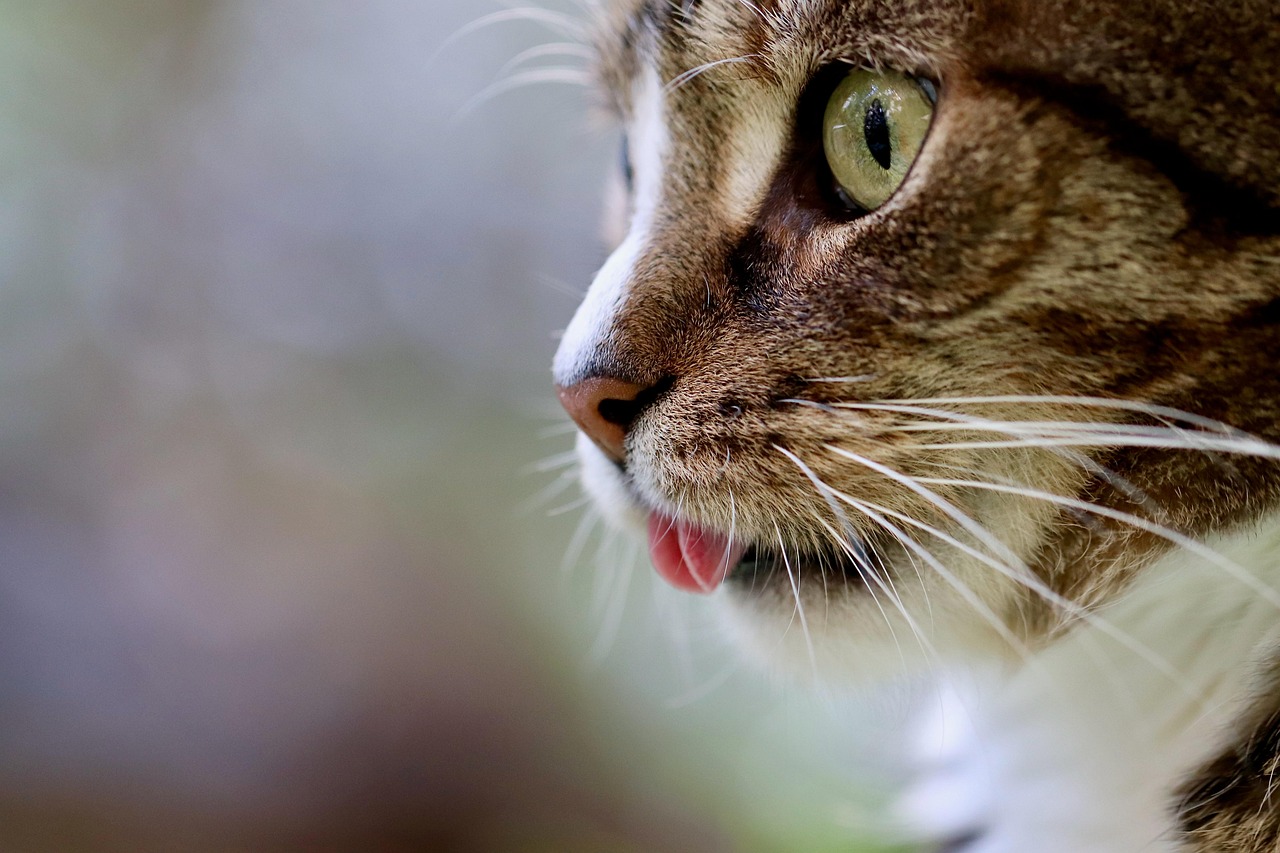

Vitamin Supplements for Cats in the Spring Season
The arrival of spring brings changes not only in our environment but also in the health needs of our feline friends. As the weather warms and days grow longer, it is essential to consider how these changes might affect your cat’s nutritional requirements. Cats can experience variations in energy levels, metabolism, and even behavioral patterns in spring. For instance, increased physical activity and outdoor exploration raise their nutrient needs. Providing the right vitamin supplements can help keep your cat healthy and energetic during this vibrant season. Ensure you pay attention to specific vitamins that support springtime activities, such as Vitamin D for bone health and Vitamin E for immune function. Consult with your veterinarian to create an informative, personalized plan that aligns with your cat’s unique health profile. For instance, older cats may benefit from different vitamins compared to younger ones. Selecting high-quality, veterinarian-recommended supplements can make a profound impact on your pet’s overall vitality. Remember to monitor their response closely when introducing new vitamins, ensuring they adapt well and thrive in the upcoming warmer weather.
Essential Vitamins for Spring
During the spring season, certain vitamins play a crucial role in maintaining a cat’s health. At the top of the list is Vitamin A, which is essential for vision and skin health. As your cat ventures outside more often, this vitamin can help safeguard their eyes from bright lights or allergens. Another important supplement is Vitamin D, vital for calcium absorption and bone health, ensuring that your cat remains active and agile. Moreover, Vitamin E supports the immune system, combating the numerous allergens that spring often brings. In addition to these, B vitamins can enhance energy levels, making your feline friend ready for outdoor activities. Omega-3 fatty acids, though not vitamins, are also significant as they contribute to healthy skin and a shiny coat. To provide these vitamins, look for high-quality cat foods or supplements that list them in their ingredients. Always verify the purity and dosage recommended on the label. Do not hesitate to consult your vet to determine the ideal supplementation for your cat’s specific age and health status.
Springtime is often synonymous with allergies, and your cat might be no exception. Pollen and other seasonal allergens can lead to various health challenges, primarily if your cat has a sensitive immune system. Here, vitamins play a preventive role. Particularly, antioxidants like Vitamins C and E help combat oxidative stress, which might alleviate some allergy symptoms. Furthermore, preparations rich in Omega-3 fatty acids can also lessen inflammation. These fatty acids support overall skin health and boost the immune response, making it much easier for your cat to handle springtime allergens. Using natural supplements that contain fish oil can significantly help in this regard. First, always ensure you’re not overwhelming your cat with a sudden increase in supplements. It’s best to gradually introduce any new product to avoid gastrointestinal issues. Additionally, observing your cat’s reaction to any new formula is important. For young cats that tend to be more active in spring, adequate antioxidant support can also promote vitality and a healthy lifestyle. Ensure you tailor your approach according to your cat’s individual health needs as the season progresses.
Impact of Diet on Health
As you transition into spring, it’s equally important to pay attention to your cat’s diet. The quality of their food directly influences vitamin absorption and overall health. Opting for a balanced diet that provides essential nutrients is vital, especially with the higher activity levels expected in spring. Cats thrive on a protein-rich diet; thus, ensuring that their food contains high-quality animal proteins can set a solid foundation for optimal energy levels. In addition, looking for cat food enriched with vital vitamins will foster health during warmer months. When considering supplements, inquire if they will complement their food, rather than replace it. It is advisable to consult your veterinarian about the balance of a cat’s nutritional intake, especially during seasonal transitions. Monitoring their performance and mood can help you gauge if they’re thriving on their diet. Creative feeding strategies, like introducing new flavors, can also keep your kitty engaged in their meals. Further, hydration is an ongoing concern, as dry food can lead to dehydration. Always ensure fresh water is available at all times.
The transition into spring can also bring mood changes as the weather improves. Some cats may display increased anxiety or changed behaviors, including aggression or avoidance. It’s essential to be attentive to these shifts and adjust their vitamin supplementation accordingly. Vitamins B1 (Thiamine) and B2 (Riboflavin) can significantly impact your cat’s mental health by supporting nerve function and reducing stress. Moreover, the inclusion of a calming supplement might also be beneficial if you notice any behavioral changes due to environmental shifts. Alongside proper supplementation, consider creating a stimulating environment with engaging toys and interactive playtime to maintain your cat’s mental well-being. This approach promotes positive behavioral patterns and allows your cat to enjoy the perks of spring without undue stress. Always give your feline friend exit opportunities and safe spaces where they feel comfortable. Understanding these emotional behaviors enhances your ability to nurture a balanced environment in which they can flourish. Always adjust your strategies while maintaining close communication with your veterinarian, who can provide tailored advice suited to your unique situation.
Pet Care Tips for Spring
As spring unfolds, pet care extends beyond just vitamins and diet; it includes preventive care against seasonal hazards. Keep a lookout for signs of fleas or ticks, as warmer weather often leads to an increase in these pests. Incorporating flea and tick prevention methods into your regular health regime is vital. Intersecting with this, regular grooming becomes imperative to help manage any seasonal shedding. This process allows for easier inspection for any pests lurking in your cat’s fur. Additionally, consider arranging routine veterinary check-ups to discuss the best spring care practices for cats. Professional recommendations on vaccinations and preventive care are essential during this transitional period. Ensure your cat is protected from various diseases with timely vaccinations. Preventive treatments can significantly enhance your cat’s chances of enjoying the vibrant season without health risks. Don’t forget to monitor your cat’s behavior and weight during this time. Any fluctuations, especially around the spring, can indicate underlying health concerns that need addressing promptly with your vet. Keeping a sharp eye on your cat’s behavioral patterns can provide valuable insights into their overall health.
Finally, maintain regular exercise routines for your cat in the spring to promote physical health and well-being. Cats that tend to be more active should have structured playtime to keep their energy levels balanced and prevent boredom. Engaging your feline friend in play not only provides physical exertion but also enriches their environment and strengthens your bond. Incorporating toys that stimulate hunting instincts can alleviate any behavioral issues that arise with increased activity levels. Variety is critical when it comes to keeping your cats engaged, so consider rotating toys frequently to maintain their interest. Moreover, outdoor supervision can encourage exploration while allowing safety from potential dangers. Create a positive outdoor experience by cat-proofing your garden and considering an enclosed space for outdoor play. Lastly, always be observant—watch how your cat interacts with their environment. Offering safe exploration during this lively season is essential for their emotional and physical health. Your vigilance and adapted pet care on all fronts will enhance your cat’s experience and contribute to a healthy lifestyle, especially as spring unfolds.