
Why Spaying and Neutering Help Prevent Diseases in Cats
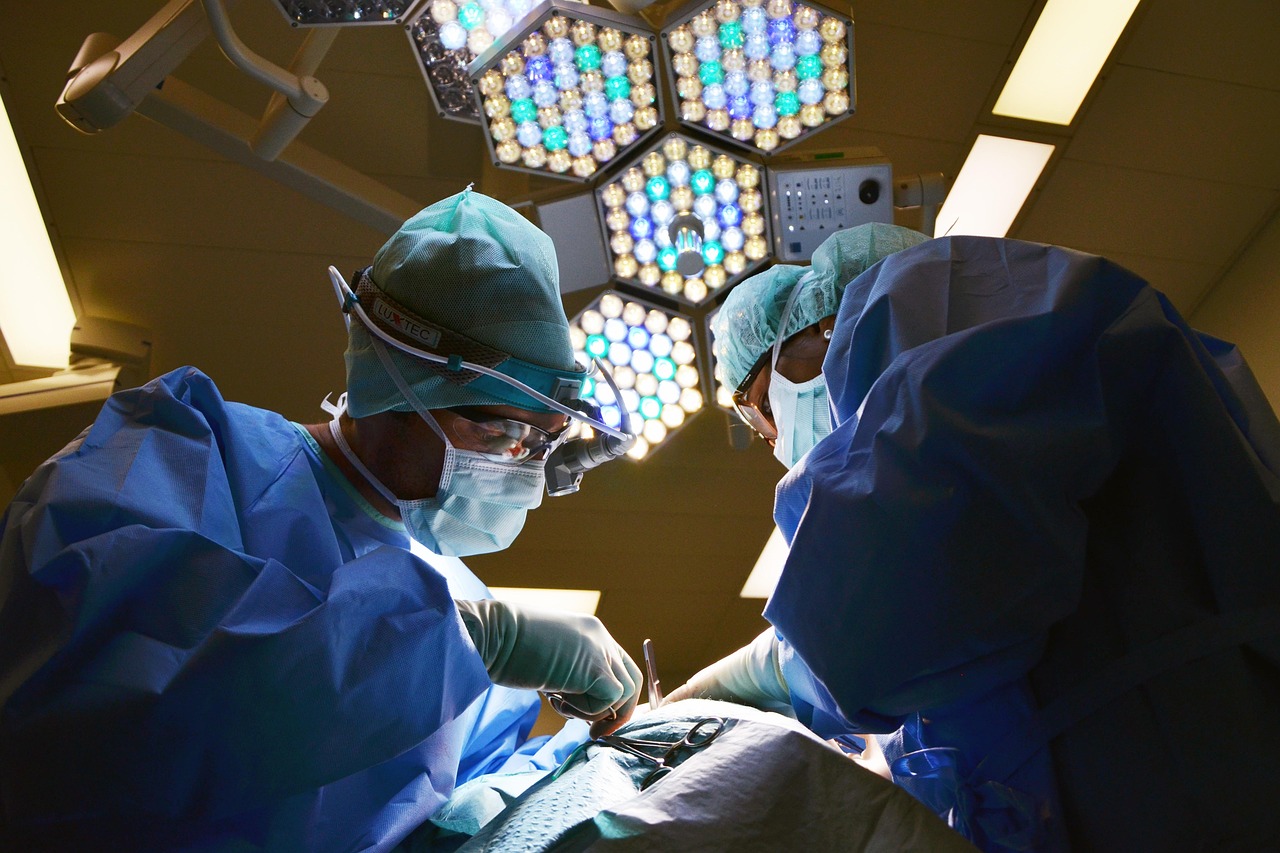
Spaying and neutering are essential procedures for adopted cats, contributing significantly to their overall health. These surgeries not only help control the pet population but also mitigate the risks of certain diseases that can affect cats. By spaying female cats, the risk of uterine infections and breast tumors is reduced. For male cats, neutering helps prevent testicular cancer and decreases the likelihood of prostate issues. Such health benefits emphasize the importance of these procedures for newly adopted cats. Moreover, spaying and neutering contribute to behavioral improvements, which can further enhance the relationship between the pet and the owner.
In addition to health benefits, spaying and neutering also influence behavioral traits in adopted cats. This often leads to fewer behavioral problems that can arise from hormonal influences, such as aggression and marking territory. By reducing such behaviors, pet owners can enjoy a more harmonious home environment. Furthermore, sterilized cats are less likely to roam outdoors, which reduces their chances of encountering dangerous situations, such as car accidents or attacks by other animals. Overall, these procedures not only improve the cats’ health but also lead to a better quality of life for both the pet and owner.
Understanding Common Cat Diseases
Understanding common diseases that affect cats is crucial for every pet owner. Some prevalent ailments include feline leukemia virus (FeLV), feline immunodeficiency virus (FIV), and various types of cancers. These conditions can significantly affect a cat’s longevity and quality of life. Regular vet check-ups and vaccinations can help prevent some of these diseases, and spaying or neutering can further reduce the risk. For instance, both FeLV and FIV are less common in sterilized cats due to decreased outdoor activities. Understanding and addressing these health risks is a key part of responsible ownership.
In addition to reducing disease risk, spaying and neutering help pet owners manage their cats better. For instance, sterilized cats tend to be more docile and affectionate, making them more enjoyable companions. This change in behavior encourages stronger bonds between the pet and owner, leading to a more fulfilling relationship. Moreover, reducing aggressive tendencies helps integrate adopted cats into multi-pet households, ensuring a peaceful coexistence. Therefore, the decision to spay or neuter is not just a health choice; it also affects the overall dynamic of your living space and the quality of your pet’s life.
Long-term Benefits of Sterilization
The long-term benefits of spaying and neutering cats transcend their immediate health implications. By preventing overpopulation, these procedures contribute to reducing the number of homeless animals. This aspect is particularly crucial in urban areas where shelters often struggle to accommodate stray and abandoned cats. Through these surgeries, you not only safeguard your pet’s health but also play a vital role in contributing to animal welfare in your community. Additionally, spaying or neutering can reduce the number of unwanted litters, lessening the burden on animal rescue and adoption organizations.
Cat owners should also consider the financial advantages of spaying and neutering their pets. Not only do these procedures minimize health-related expenses in the long run, but they also reduce the costs associated with caring for unwanted kittens or cats, such as food, shelter, and medical care. Investing in spaying or neutering your cat today can save considerable amounts of money as your pet ages. It also helps shed light on the importance of responsible pet ownership, which includes making informed decisions about reproductive health.
Supporting Your Adopted Cat’s Health
Supporting your adopted cat’s health goes beyond spaying and neutering. Ensuring that your cat receives proper nutrition, regular exercise, and access to veterinary care is vital. Cats are prone to obesity, diabetes, and dental diseases, all of which can be managed through a healthy lifestyle. Providing nutritional food, stimulating toys, and a safe environment helps maintain optimal health. Awareness and education about pet care contribute to a well-rounded approach in protecting your adopted cat from common diseases. Understanding how to support your cat mentally and physically is just as crucial as surgeries.
Lastly, building a strong support system through cat owner communities and platforms is vital. Whether online or in-person gatherings, sharing experiences and advice helps in enhancing your knowledge about cat care and disease prevention. Participating in veterinary programs or local initiatives that promote spaying and neutering can further aid your understanding in ensuring your pet’s well-being. Such connections not only provide vital information but also foster feelings of community, leading to happier pets and responsible owners. Ultimately, the journey of cat ownership should reflect love, care, and education to enhance your bond with your new furry friend.