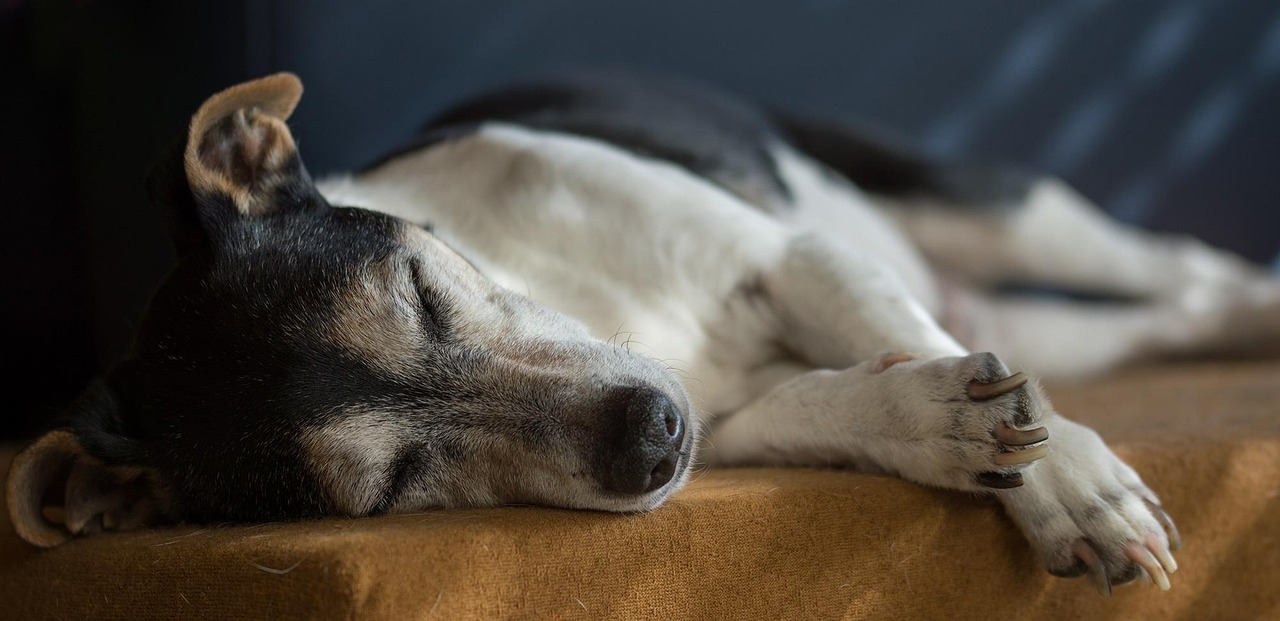

Diet and Hydration Tips for Senior Dogs During Travel
Traveling with a senior dog requires careful planning, especially concerning their diet and hydration needs. Older dogs often have specific health issues, making it essential to maintain a proper nutrition plan while on the road. Always pack their regular food to ensure they continue to receive the nutrients they require. Portable, collapsible bowls can help with feeding and drinking during stops. Additionally, keep extra food and treats in an easily accessible spot. When traveling, it’s important to follow a consistent feeding schedule that matches your dog’s usual routine. Changes in routine can lead to digestive problems, so sticking to familiar mealtimes is beneficial. Be cautious of sudden changes in food that might upset their stomach, as older dogs can be more sensitive to dietary changes. Pay attention to the signs indicating if your dog is thirsty or hungry, and provide frequent breaks. Monitor your dog’s behavior closely, as fatigue can manifest differently in senior pets compared to younger ones.
Hydration is key during travel, particularly in senior dogs who may have decreased thirst drive. Always have fresh water available, and encourage your dog to drink regularly. Consider using a travel-friendly water bottle designed for dogs to make it more convenient. When stopping for breaks, offer water even if your dog seems disinterested. Dogs can become dehydrated more quickly than we realize, and dehydration can exacerbate existing health issues. To elevate their hydration, consider adding water to your dog’s food or providing wet food while traveling. Check for symptoms of dehydration, such as dry gums or decreased energy, and address any concerns immediately. Additionally, avoid feeding your dog a large meal right before a long trip to prevent motion sickness. Instead, give small portions, keeping their energy up while minimizing the risk of upsetting their stomach. Planning stops along the journey where your dog can stretch, eat, and drink will create a more pleasant travel experience.
It is beneficial to know the local regulations regarding pet travel in your destination area. Certain regions might have specific rules about bringing pets, and being unprepared can lead to frustrations. Researching places that offer pet-friendly accommodations can make your travel experience much smoother. Look for hotels or rental properties that welcome senior dogs. Ensure that these locations provide necessary amenities such as pet beds, easy access to outdoor areas, and nearby green spaces for walking. It’s also wise to appropriately label your senior dog’s travel carrier or crate with your contact details, including your dog’s name. This helps in case they wander off or get lost. Many senior dogs are accustomed to a familiar crate or bed, so bringing their favorite items can help them feel secure during the trip. A travel plan that incorporates ample time for breaks ensures that you can address your dog’s needs while allowing them to enjoy the journey with you.
Feeding Tips While Traveling
When you’re on the road, maintaining your dog’s feeding routine can be challenging yet essential. Consider packing pre-measured portions of your dog’s regular meals into resealable bags for easy access. Having their favorite food available during travel helps mitigate potential digestive issues. Additionally, packing high-value treats can be an excellent way to keep your dog motivated and engaged during breaks or long waits. Avoid letting your dog indulge in unfamiliar foods while traveling, as this can cause digestion to become a problem. Stick to their regular diet and pair it with occasional small treats. Treats can be excellent for rewarding good behavior but moderation is important. Consider the timing of meals as well; large meals before long stretches of driving should be avoided to prevent sickness. Instead, focus on small meal portions, which will allow their digestive systems to remain relaxed while reducing the risk of discomfort. Regular stops provide opportunities for your dog to relieve themselves and refresh, which is vital for older pets’ wellbeing.
Special dietary considerations for senior dogs traveling include managing any specific health concerns, such as diabetes or heart conditions. If your dog requires a special diet, consult with your veterinarian about travel-friendly options. Plan ahead to ensure that these needs are met during travel. For instance, find pet-friendly restaurants or places to eat where you can prepare or buy suitable food for your dog. Keep in mind that older dogs may have chewing issues, so soft food options may be preferred. Bring any necessary medication with you, making sure to have enough for the entire trip plus extra in case of delays. Encourage your dog to eat little and often. This might require bringing a travel bowl for feeding breaks along your route. Be mindful of how your dog reacts to their food; some dogs may require more time to adjust to new environments while others might have more anxiety. Offering familiar meals in a low-stress environment can alleviate some discomfort.
Maintaining Comfort During Trips
While proper nutrition and hydration are essential for your senior dog, comfort is equally important during travel. An uncomfortable dog can become anxious and distressed. A travel-friendly crate or harness can provide a secured space for your dog, giving them confidence while you are on the move. Consider using soft blankets or cushions to comfort your dog in their space. Familiar scents from home can have a calming effect. It can also support their need for rest, particularly on longer journeys. Plan your route to include frequent breaks so that your dog can stretch and relieve themselves. Even elderly dogs need physical activity to stay healthy, and short walks at these breaks can help enhance their mood. Showing patience during travel is crucial; some senior dogs might require extra time to adjust or relieve themselves, and that’s perfectly normal. A well-rested dog is a happy dog, and ensuring that they experience comfort while traveling will help make the trip enjoyable for everyone.
In conclusion, traveling with a senior dog requires extra planning and attention to ensure their comfort and health remain a priority during your journey. Maintain a stable diet and hydration schedule by packing familiar food and ensuring drinking water is readily available. Always be vigilant about your dog’s health, especially if they have pre-existing medical conditions that require special care. Make sure to prepare your travel itinerary with pet-friendly accommodations and check the regulations on pet travel in your area. Regular stops and breaks are vital; these allow for hydration, meals, and bathroom breaks, which are all fundamental for your dog’s well-being. Ensure they remain comfortable in their travel space, using familiar items to reduce anxiety. As you travel together, monitor for any signs of discomfort and adjust as necessary. Ultimately, sharing journeys with your senior dog can be rewarding and fun, as long as their needs are closely attended to. A well-prepared trip leads to happy memories and strengthens the bond between you and your beloved pet.