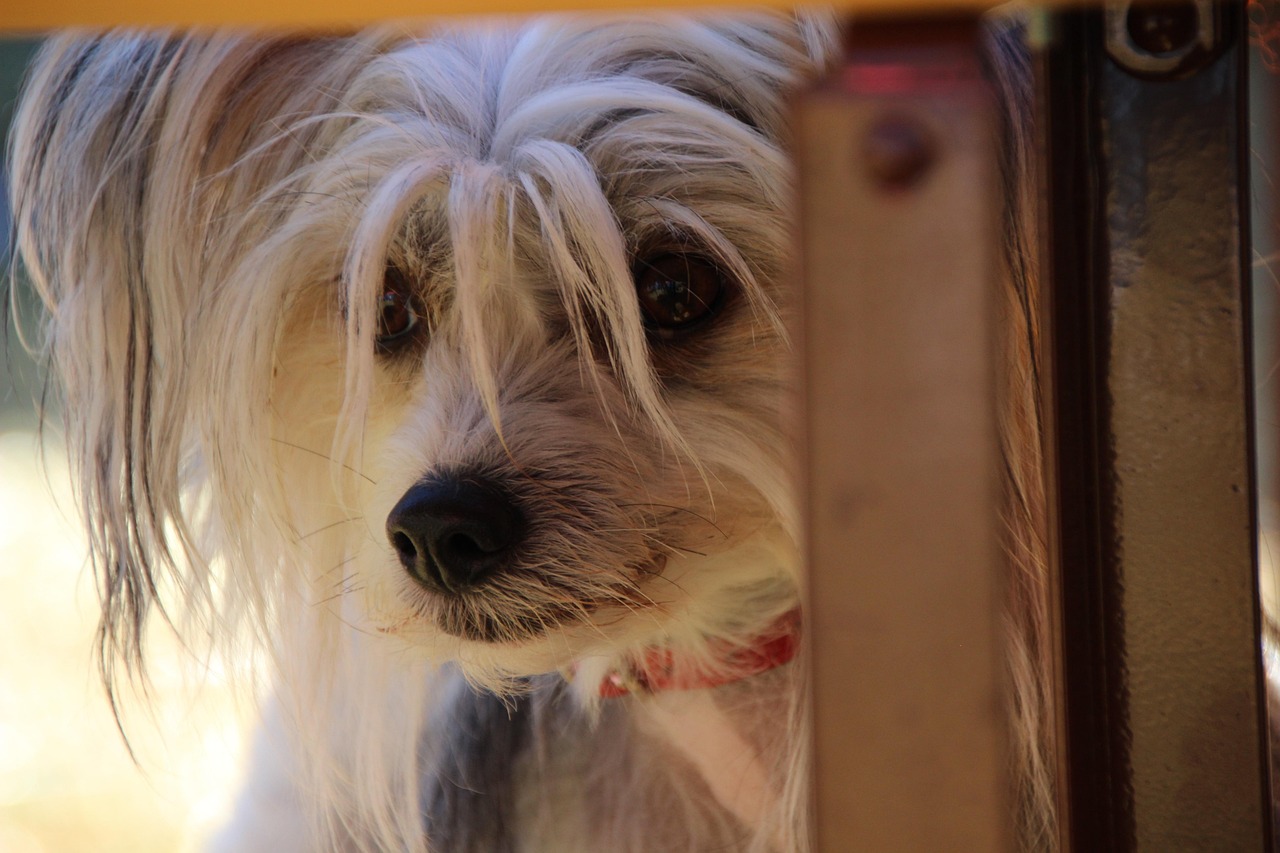

How to Build Confidence in a Fearful Dog
Building confidence in a fearful dog requires patience, understanding, and a strategic approach. It’s essential to recognize the signs of fear, which can include cowering, hiding, or even aggressive behaviors. Creating a safe and nurturing environment will allow your dog to feel secure. Start by establishing a routine where the dog feels comfortable with daily activities. Use positive reinforcement techniques, like treats and praise, to reward brave behaviors. Short, positive training sessions can build skills and trust. Ensure socialization experiences are positive by gradually introducing your dog to new people and environments. Timing is important; try to avoid overwhelming your dog, which can reinforce fearful behavior. Instead, let them take the lead. If they show reluctance, allow them space and time. Remember, confidence-building is a marathon, not a sprint. Tools like calming aids, including anxiety wraps or pheromone diffusers, can also help. Consulting a professional dog trainer experienced with fearful dogs can provide tailored strategies. Each dog is unique and may respond differently, so be prepared to adapt your methods as necessary. Patience and consistency are fundamental for helping your dog thrive in their world.
Socialization is critical in building a fearful dog’s confidence. Gradual exposure to various environments, people, and other animals can help ease anxiety. Start with low-stress situations where your dog can observe from a safe distance. Gradually decrease the distance as they become more comfortable. Always allow your dog to engage at their own pace, as forcing interaction can reinforce anxiety. Providing a safe space at home where they can retreat will help. Encourage exploration by creating a positive association with new experiences. Use play, treats, and affection to motivate your dog. Training classes designed for fearful dogs can offer a controlled environment for socialization. Joining classes with positive reinforcement training methods can also be beneficial. These classes not only expose your dog to new situations but also facilitate the development of social skills. Inform the trainer about your dog’s fears for tailored approaches. Once your dog shows improvement in dealing with specific fears, you may want to introduce more complex situations. It’s important to monitor your dog’s body language during these events and take a step back if they become overwhelmed.
Positive reinforcement training is transformative for fearful dogs. This method focuses on rewarding desirable behaviors rather than punishing undesirable ones. For instance, if a dog shows curiosity towards a new object, rewarding them with treats reinforces that behavior, helping them understand that new experiences can be safe. Start by teaching basic commands such as ‘sit,’ ‘stay,’ or ‘come’ in a peaceful environment. Gradually introduce these commands in different environments. Consistency is key; use the same commands and cues each time. Additionally, keep training sessions brief to maintain focus. Over time, incorporate distractions to help your dog learn to focus amidst chaos. Treats should be high-value to encourage participation; try using special treats only reserved for training. Be observant; if your dog shows signs of distress, it’s crucial to pause and assess the situation. You can also incorporate games that require your dog to think and problem-solve, which boosts confidence. These games can include hide-and-seek or puzzle toys. Building a bond through these shared activities can create a trust foundation, enabling your fearful dog to relax and feel more secure in various situations.
Developing a Calm Environment
A calm environment is vital for both the owner and the dog. Reduce stressors in your household, such as loud noises or chaotic movements, which can make a fearful dog anxious. Utilize calming products like soft music or white noise to mask sudden sounds that might evoke fear. Creating a designated, cozy space for your dog can promote relaxation. Use their favorite blankets and toys to make this safe zone inviting. When they retreat there, respect their need for space; avoid overwhelming them. Encourage tranquility by practicing relaxation techniques, such as gentle petting or massage. Over time, routine walks and quiet time in this space can foster peace. Avoid scolding or expressing frustration; this can exacerbate fears. Instead, celebrate small victories when your dog shows confidence. Using calming scents, like lavender, can also help create a relaxing atmosphere. Additionally, incorporating regular exercise helps reduce anxiety by channeling energy positively. Engaging in short walks or interactive play sessions can lower stress levels, promoting confidence in everyday situations. Building a calm home fosters a supportive environment, assisting your dog in overcoming their fears.
Understanding canine body language is crucial in this process. Dogs communicate their fear through various signals, such as widening eyes, a tucked tail, or excessive yawning. By learning to recognize these signs, you can address your dog’s needs more effectively. If you see these signs, it may be time to provide comfort and space to your fearful dog. Trying to comfort a dog in distress is essential but must be done correctly. Avoid reinforcing fear-based behaviors with too much affection, as this can inadvertently encourage them. Instead, celebrate moments of bravery with praise and treats after slight risks. Familiarize yourself with dog training resources focusing on fearful behaviors. Numerous books and online courses offer insights into fear management techniques. Consider scheduling trips to behaviorists or trainers for personalized support. Many dogs may benefit from professional help, offering tailored methods to improve confidence. Consistent exposure to positive experiences will gently push boundaries without forcing change. It’s also vital to understand that progress may not always be linear; some setbacks may occur, and that’s okay. The aim is to cultivate a trusting relationship that lasts a lifetime.
Building a connection with your fearful dog encompasses showing them unwavering support and patience. Your attitude during interactions greatly influences your dog’s response to new experiences and challenges. A calm, reassuring demeanor from you signals safety to your dog. Engage in daily activities that foster togetherness; playing games, practicing training, or even relaxing together can solidify this bond. When exploring the world outside, ensure to check in frequently, reinforcing positive behavior. This shows them that their reactions are noticed, encouraging further confidence. Involve family members in daily routines to promote uniform handling. Consistent approaches help minimize confusion for your dog, fostering trust in their surroundings. Furthermore, building a network of understanding friends and community members can expose your dog to varied social settings gradually. Always aim for environments that will help or assist rather than exacerbate fear. Sharing experiences with other dog owners can uncover innovative ideas and solutions. If it feels overwhelming, consider joining online communities focused on fostering fearful dog support. Remind yourself that every small step your dog takes towards overcoming fear is a victory. Celebrate these growth moments to strengthen the bond you share.
Conclusion and Future Steps
In summary, bolstering confidence in a fearful dog is a process that demands time, effort, and compassion. Each dog’s journey is unique, but employing the strategies outlined can significantly enhance their self-assurance. Reinforce their achievements, no matter how minor, and remain observant of their responses. As you progress, maintain a consistent routine, which provides a sense of security. Introduce new experiences gradually, following your dog’s lead to prevent overwhelming them. Continuing to educate yourself on canine behaviors and training is also beneficial. Numerous resources, including books and online forums, detail successful experiences and techniques. Networking with other dog owners can offer valuable insights and what has worked for others. Remember, setbacks can occur and are entirely normal during this touchy journey. Work toward patience and understanding, always keeping your dog’s welfare at the forefront. A confident dog is a happy one, creating a more rewarding partnership. As trust burgeons between you and your dog, your bond grows deeper. Following these guidelines, you are setting the stage for a healthier, more balanced life for your fearful dog.
Patience and empathy are your best allies in this transformative journey.