
How to Encourage Healthy Exercise Habits in Your Cat
Just like humans, cats also require regular physical activity to maintain health and vitality. Keeping a cat active can significantly contribute to its overall well-being. A healthy cat displays various physical signs, including a shiny coat, an eagerness to play, and a healthy weight. As a pet owner, it’s your responsibility to ensure that your feline friend stays active through engaging activities. Observe your cat’s behavior closely. Signs of a healthy cat include a playful attitude and regular napping after playtime. Providing stimulating toys or interactive play sessions can help reinforce these healthy habits. For instance, using feather toys, laser pointers, or even simple cardboard boxes increases engagement and exercise. Evaluating playtime can also help you to gauge your cat’s health; if it becomes lethargic or disinterested, it may be time to consult your vet. Always remember that each cat has its unique personality and preferences, so exploring different toys and activities will lead to more enjoyment for both you and your pet. Add variety to playtime to keep your cat stimulated and active on a daily basis.
Identifying Signs of Active Cats
An active cat often shows lively behavior, displaying a keen interest in its environment and interacting dynamically. Such cats will frequently chase after toys, jump around, and explore their surroundings. Keeping a watchful eye on these activities provides insight into your cat’s fitness level. Cats exhibit signs of health through their appearance as well. A healthy cat does not have a sagging belly or an unusually thin frame; it has a well-defined waist. Regular playtime fosters a bond between you and your feline companion. Remember that your involvement in their workouts stimulates more than just physical health; it nurtures emotional wellness. Engaging in play offers an excellent opportunity to observe other vital signs like their breathing and heart rates. During exercise, a healthy cat breathes evenly and maintains a steady heartbeat, indicating good cardiovascular health. If your cat seems lethargic or exhibits any unusual behavior or signs of discomfort while playing, consult with a veterinarian promptly. Investing time in understanding cat behavior paves the way for more effective exercise routines and better overall health.
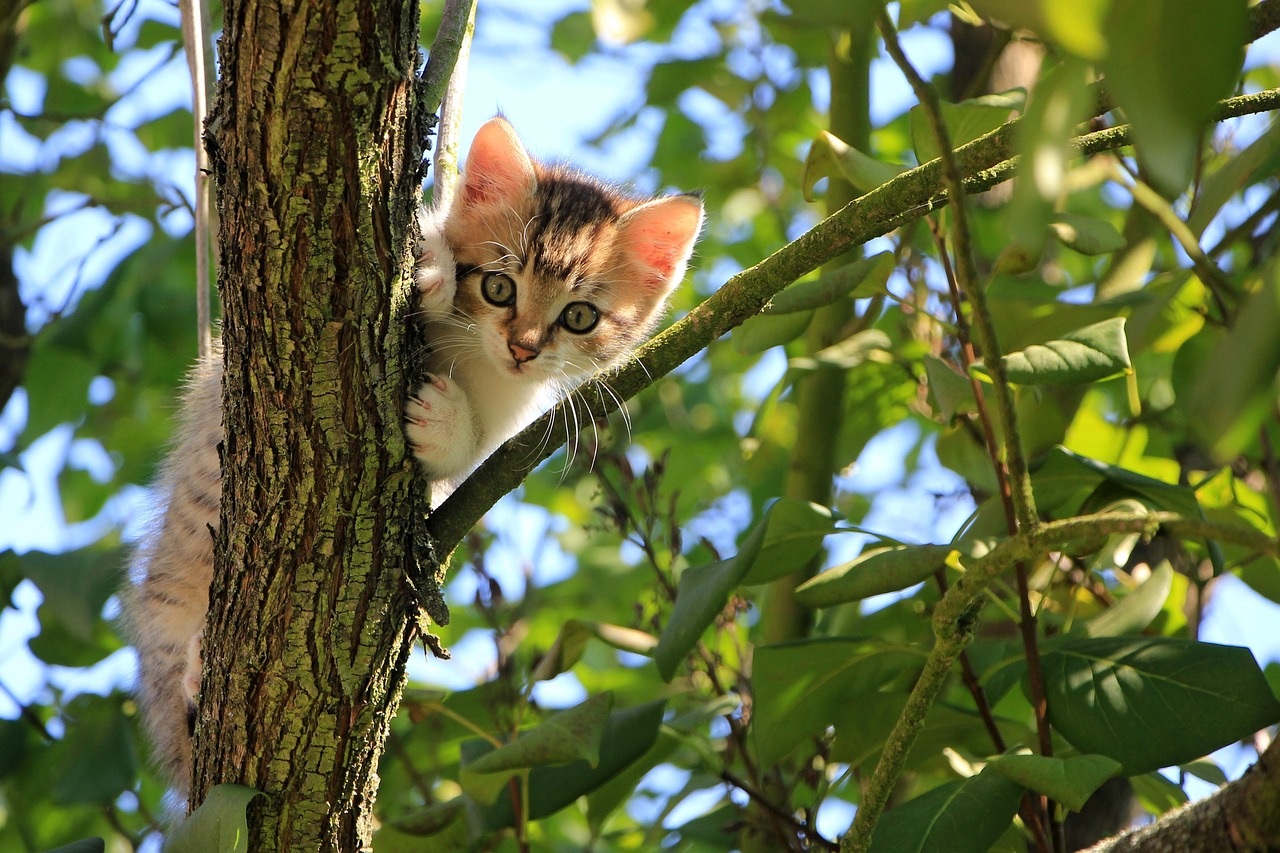
Setting up an invigorating environment for your cat can greatly enhance its exercise habits. An ideal play area is easily accessible, free of hazards, and full of stimulating objects. Incorporating climbing trees, scratching posts, and interactive toys encourages exploration and keeps your cat engaged. Consider rotating toys regularly to maintain novelty. This way, your cat remains mentally stimulated and excited to play each day. Furthermore, create spaces where your cat can jump and hide; cats thrive in varying heights and cozy nooks. Establish a routine around playtime. Scheduled interaction each day develops patterns that your cat will naturally anticipate. Use this time to introduce new challenges and enrich their learning and exploration. Participate actively so that your cat associates fun with exercise. Gradually, your cat will learn to be more active during independent play as well. Ensure to invest in quality toys designed for cat play that stimulates their natural instincts. Lastly, remember that patience and consistency are key; fostering a conducive environment promotes lifelong exercise habits that lead to a happier and healthier cat.
Incorporating Interactive Toys
Interactive toys are a fundamental aspect of encouraging your cat’s healthy exercise routines. These toys come in various designs, from those that mimic prey to more sophisticated electronic variations. Choosing toys that engage your cat’s hunting instincts can turn playtime into an exciting activity. For instance, toys that dispense treats or move unpredictably stimulate a cat’s mental and physical abilities. Implementing such toys encourages healthy exercise while entertaining your feline companion. Invest in an assortment of interactive toys to cater to different preferences and moods. It’s worth noting that not all cats react the same way; some may prefer chasing lightweight balls, while others might enjoy pouncing on soft stuffed animals. Introducing new toys gradually will pique your cat’s interest and entice them to engage more. In addition to toys, consider activities like cat puzzles that promote physical movement and cognitive engagement. Devoting time to play with your cat, ideally thirty minutes daily, can significantly boost their health and happiness while reinforcing your bond.
In addition to interactive toys, utilizing household items creatively can also promote exercise in your cat. Everyday objects such as boxes, paper bags, and string can serve as exciting playthings. Cats are naturally curious creatures, and allowing them to explore these items taps into that curiosity. Simple cardboard boxes offer an excellent environment for hide-and-seek games while stimulating their instinctive hunting behavior. Moreover, engaging your cat with tunnels or climbing structures simulates an adventure. These structures not only offer opportunities for climbing and jumping but also serve as new territories to explore. Incorporate training into playtime by teaching commands or tricks using treats for motivation. Such activities keep cats not just physically active but mentally sharp as well. Try varying your routines every week to keep your cat interested in exercise. This variation not only encourages participation but also keeps their environment dynamic and lively. Always supervise playtime to ensure safety; remove any hazardous objects your cat might encounter while exploring.
The Importance of Regular Vet Check-Ups
Regular veterinary check-ups are vital for maintaining your cat’s overall health, ensuring they stay active and healthy. During these appointments, vets can provide insights into your cat’s weight and general health. With these insights, adjustments can be made to their diet and exercise patterns if necessary. Vets often recommend a tailored exercise plan based on age, breed, and health status. It’s crucial to follow their guidance to avoid overexertion or injury. Keeping vaccinations current also plays a role in your cat’s overall health and activity level. Healthy cats are happier cats and tend to be more active; therefore, staying updated with vaccinations will protect against various illnesses that could hinder exercise. It’s worth noting that a well-functioning diet and a consistent exercise routine can prevent obesity and associated health problems, such as arthritis, diabetes, and heart disease. Regular vet check-ups paired with a proactive approach to exercise create an ideal environment for your cat’s happiness and longevity. Successful, active cats reflect attentive care and routine monitoring that supports an optimal quality of life for your beloved companion.
Participate in physical activities together, such as outdoor adventures or a leash walk, to further encourage a healthy exercise routine. Training your cat to accept a harness and leash can open up new horizons. Cats that are confident outdoors may enjoy strolling through a quiet yard or park while exploring the sights and sounds of nature. Outdoor exposure not only provides mental stimulation but also exposes them to new experiences. However, always prioritize safety by keeping the environment secure and ensuring that your cat is supervised; this will prevent incidents with other animals or hazards. Gradually introduce your cat to the use of a leash by allowing them to explore indoors first before venturing outside. Reward them with treats for positive behaviors, creating a positive association with exercise. Eventually, they will begin to look forward to these outings. It is an enriching experience, boosting their physical activity and providing enrichment. Encouraging healthy exercise habits entails finding the right activities that suit your cat’s personality and preferences while simultaneously fostering your emotional bond.
Healthy exercise routines are essential for maintaining strong muscles, flexibility, and overall wellness in your cat. A consistent workout not only keeps your cat fit, but it also helps prevent anxiety and boredom. Engaging mentally and physically fosters positive behavior towards their environment. Combining playtime with exercise sets the stage for a balanced life. Always monitor their weight to ensure they’re in good shape; a consistent feeding routine supports this goal. Measuring portions and selecting quality food suitable for your cat’s life stage is crucial. Enrichment activities, paired with physical exercise, prevent destructive behaviors often seen in under-stimulated cats. Promote a workspace where your cat can climb, scratch, and explore to maintain optimal health. Create challenges tailored to your cat’s unique needs; for example, scattering kibble leads to an enjoyable scavenger hunt. Include your cat in everyday activities, such as grocery bag unpacking; those little interactions keep their brain active. Engaging your pet this way cultivates a dynamic, stimulating atmosphere that encourages exercise and promotes creativity. Positive reinforcement tactics enrich this experience, creating opportunities for healthy growth.