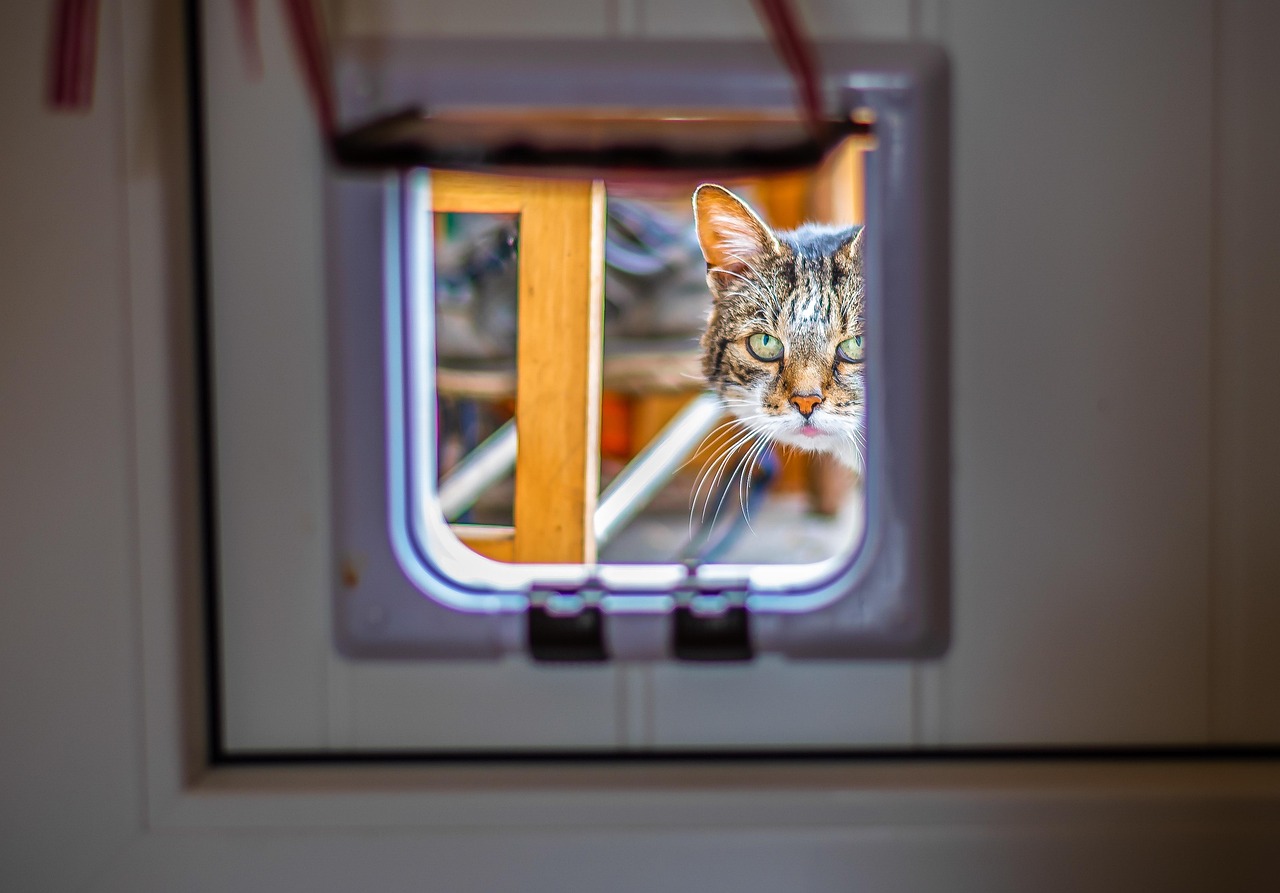

How to Use Gradual Exposure to Habituate Shy Cats
Many cat owners face the challenge of helping shy cats become more comfortable in their environment. Using gradual exposure techniques, we can facilitate this process effectively. It’s essential to introduce the cat to various stimuli slowly over time, ensuring that they never feel overwhelmed. Start by identifying the specific situations or objects that trigger anxiety in your cat. These may include unfamiliar sounds, other pets, or even household objects. Remember, the goal is to help your cat learn to associate these stimuli with positive experiences. Gradual exposure means that you can spend some time in the same room, allowing them to observe at their own pace. You can also engage in positive reinforcement strategies by rewarding them with treats and praise when they exhibit calm behavior. Over time, this will help reduce their fear responses and will lead them to tolerate and eventually enjoy those previously frightening experiences. Patience is key, as progress may be slow, depending on your cat’s personality and past experiences. Every small step toward comfort counts in building their confidence.
To implement gradual exposure techniques effectively, create a calming environment where your cat feels safe. Focus on establishing a space, such as a designated room or area, where they can retreat to if they feel anxious or threatened. Fill this space with cozy bedding, familiar toys, and possibly an escape route should they require some privacy. Additionally, keep the environment quiet and peaceful to minimize abrupt stimuli. Make sure that this room is free from loud noises like vacuum cleaners or other animals. As your cat starts to feel more relaxed in this controlled environment, you can begin to introduce them to the new stimuli slowly. For instance, if they show fear of other pets, you can start by placing a barrier, like a baby gate, between them. Doing so lets them see each other without direct contact, allowing for a gradual desensitization process. Provide treats and encouragement throughout these interactions. Over time, as your cat grows more comfortable with the presence of the other pet, you can gradually decrease the barriers, enhancing their confidence further without causing stress.
In addition to environmental adjustments, it’s crucial to schedule regular play sessions with your shy cat as part of the habituation process. Engaging in play allows you to create positive associations in a safe and controlled manner. Choose a variety of toys that suit their preferences, such as feather wands, laser pointers, or playful balls. These play sessions promote bonding and help reinforce trust between you and your cat. Start by engaging in short sessions using the chosen toys, gradually increasing the duration as your cat becomes more comfortable. Use a calm and encouraging voice and ensure playful interactions remain enjoyable. Whenever your cat successfully engages with a toy or shows curiosity, be sure to offer treats or praise. This approach will help them connect pleasurable experiences during playtime with their surroundings. Taking small steps during these sessions matters, as confidence can develop gradually over time. If your cat feels overwhelmed, reduce the intensity of the play and allow them to take breaks. Consistency in positive interactions will help transform their perception of potentially fear-inducing stimuli.
Understanding the Triggers of Fear
Recognizing your cat’s fear triggers is essential for effectively applying gradual exposure techniques. Some cats may be afraid of loud noises, certain people, or unexpected movements. Observe your cat’s behavior closely to identify these triggers. When you see signs of fear, such as hiding, trembling, or hissing, note the circumstances surrounding them. Understanding their unique responses will help you tailor your exposure approach to their specific needs. You can utilize deterring stimuli, like a loud sound or sudden appearance of an object, as opportunities to perform gradual exposure exercises. Introduce these items or situations from a distance that you know won’t overwhelm your cat. Gradually decrease the distance over time as your cat becomes accustomed to the stimuli. This process helps create desensitization and retrains their association with fear. It may take several attempts to achieve results, but consistently exposing your cat and rewarding calm behavior will promote relaxation. The most effective strategies are often those that align closely with the cat’s comfort level, helping them build resilience against environmental stressors.
Another significant aspect of habituation is the use of scent and familiar objects to create a sense of security. Cats rely heavily on their sense of smell, and surrounding them with familiar scents can help to comfort them. Consider using their favorite blanket, bed, or items that carry their scent during gradual exposure exercises. Introducing these familiar objects can provide an anchor for their comfort. Additionally, utilize pheromone diffusers or sprays designed specifically for cats. These products can help to promote a calming environment. Place pheromones in areas where your cat spends time to create a tranquil atmosphere that reduces stress. In addition to scents, consider using treats with flavorful, enticing aromas to foster a deeper connection during exposure sessions. Offering these treats during gradual exposure experiences will encourage positive associations with the activity. The use of familiar scents along with your presence will gradually enhance your cat’s feeling of safety in various situations. These strategies work harmoniously to help reduce anxiety and prepare your cat for more challenging experiences.
Socialization plays an essential role in desensitization and habituation techniques for shy cats. The more positive interactions your cat has with various people and environments, the more comfortable they will become over time. Introducing your cat to new people can be achieved through slow and controlled introductions. When a friend or family member visits, have them remain calm and patient, allowing your cat to approach them at their own pace. They can offer treats or toys to create positive interactions, ensuring that your cat associates visitors with fun experiences. If your cat shows signs of distress, combine gradual exposure with safe spaces where they can observe without pressure. Over time, this builds their tolerance to new people, reducing anxiety when faced with unfamiliar situations. If necessary, schedule short scheduled visits to minimize overwhelming your cat. Consistency and patience are key as your cat adjusts to the increased socialization. Be mindful of their comfort level, providing encouragement as they progress. With time, your shy cat will learn to navigate social situations more confidently.
Monitoring Progress and Adjustments
Monitoring your cat’s progress as they adapt to gradual exposure techniques is crucial for evaluating success and making needed adjustments. Regularly assess your cat’s behavior in response to various stimuli and note any changes. Is your cat becoming more relaxed? Are they engaging more with the environment around them? Create a journal to document each exposure exercise, tracking reactions and successes will show positive improvements over time. If your cat struggles during encounters or regressions appear, don’t hesitate to revisit earlier steps of the process. Sometimes, it may be necessary to allow more time between exposure sessions or to lessen the intensity of the stimuli introduced. Rely on your judgment to set a pace that feels comfortable for your cat. Celebrate small victories, and reward your cat’s calm responses. As they progress, gradually introduce more challenging stimuli to continue fostering growth and resilience. By providing adjustments based on individual comfort levels and consistent support, your shy cat will thrive during this gradual exposure journey, paving the way towards a more confident and happy companion.
In conclusion, using gradual exposure to habituate shy cats is a gentle and effective technique that promotes their confidence without overwhelming them. By taking the time to identify triggers, creating a safe space, and using familiar scents and social exposures, cat owners can successfully guide their pets through the habituation process. The journey may require patience, understanding, and a flexible approach to ensure your cat feels secure and calm during each exercise. Remember to celebrate the progress, no matter how small, and always approach your cat with empathy. Positive reinforcement rewards will make each experience pleasant, further encouraging your cat to embrace these new environments and situations. If struggles arise, don’t hesitate to adjust your techniques and progress at a pace that suits your cat’s needs. The key to success lies in understanding your cat’s individual personality and adjusting methods accordingly. With persistence and love, your shy cat will learn to navigate the world confidently, ultimately fostering a stronger bond between you and your feline companion.