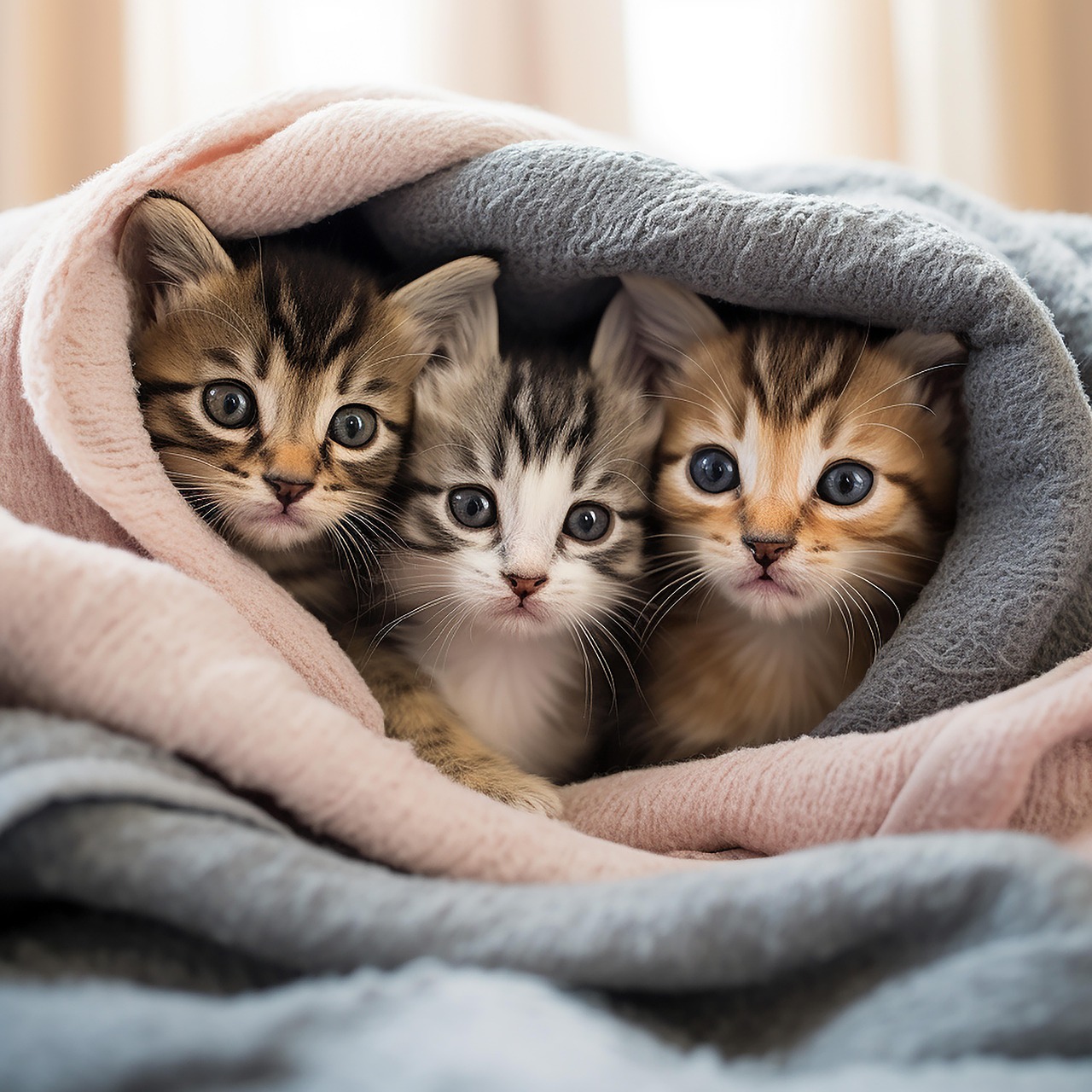

How to Use Play to Enhance Socialization in Cats
Socialization problems in cats can lead to various behavioral issues and reduce their quality of life. One effective method to improve a cat’s social skills is through play. Engaging your cat in play stimulates not just their physical abilities, but also their mental faculties, preparing them for social interactions. Not only does playing help your cat become more comfortable with their environment, but it also encourages them to feel more confident around other pets and people. This can be particularly useful for kittens, who have a critical window for socialization. Early playtime experiences can determine how well they adapt to new situations later in life. Moreover, play fosters positive associations, making cats more likely to approach situations they may otherwise avoid. By incorporating play routines that involve various toys, you can create an enriching environment for your feline. Interactive toys, such as feather wands and laser pointers, can encourage them to engage and learn. The connection formed during these play sessions enhances their bond with you, solidifying your role as their leader. Ultimately, play is a powerful tool for transforming your cat’s behavioral challenges into social victories.
To develop effective play routines, it is vital to understand your cat’s individual preferences and energy levels. Some cats prefer chasing, while others may enjoy pouncing. Tailoring your activities to their specific tastes will ensure that playtime is both enjoyable and beneficial. Experiment with different types of toys to see what resonates most with your cat. Incorporating variety into their play can also keep them engaged and motivated. Toys like stuffed mice, balls, or even materials like cardboard boxes can stimulate natural hunting instincts. It is important to allow cats to dictate the pace of play, giving them moments to rest and observe. This ensures they don’t become overwhelmed or stressed. Gradually introducing your cat to other animals within a playful context can help ease socialization tensions. You might even consider supervised sessions where they can interact without the pressure of forced closeness. As a result, they can familiarize themselves at their own terms. Remember, the goal is to create a safe and enjoyable space where cats can learn and thrive socially, ultimately enhancing their overall well-being.
Benefits of Play for Cat Socialization
Play is not just about entertainment; it provides numerous benefits for a cat’s mental and emotional health. It has been shown that regular play can alleviate stress, anxiety, and even prevent behavioral problems that stem from a lack of socialization. By engaging your cat in playful interactions, they learn to read social cues either from their human or other pets. This understanding is essential for building confidence when navigating social situations. Moreover, play encourages healthy territorial behavior, allying fears stemming from perceived threats in their environment. Through shared play experiences, your cat becomes more adept at understanding relationships, promoting harmonious coexistence. Engaging in play also fosters a deeper bond between the cat and owner. This trust can make them more inclined to approach unfamiliar scenarios, people, or animals, improving their adaptability. Additionally, cats enrich their environments and keep boredom at bay, which is crucial for mental stimulation and overall happiness. Remember to praise and reward your cat during play, reinforcing positive behaviors and making them feel accomplished. In short, stimulating play interactions pave the way for a more socially resilient feline.
Consistency is key when using play to enhance socialization. Set aside dedicated periods each day for interactive play sessions. Creating a routine helps your cat anticipate and look forward to these positive interactions, fostering a sense of security and attachment. This habit can also encourage them to express themselves more confidently, as they will recognize you as an ally in their social journey. It’s essential to be patient. Not all cats will warm up to social interactions right away. Each cat has its own pace for socializing, and helping them through play can facilitate this. Focus primarily on making these sessions enjoyable, breaking away from expectations regarding duration and intensity. If a cat becomes disinterested or overwhelmed, it’s crucial to respect their feelings and allow for a break. By observing their body language, you can ascertain their comfort levels. Playtime should invoke joy, so try changing the activity if your cat loses interest. The better the play routine aligns with their unique personality, the more successful the socialization process will ultimately be.
Types of Play for Improved Social Skills
The type of play you engage your cat with can significantly affect their socialization development. Interactive play, where you actively participate using toys, is ideal for enhancing engagement. Using a fishing pole-style toy can mimic the motions of prey, fostering a cat’s natural hunting instincts and prompting essential problem-solving skills. Furthermore, collaborative games with your cat, like hide-and-seek or chasing each other, can help strengthen the bond, making social interactions feel less intimidating. Puzzle toys are another excellent option; they stimulate mental activity while encouraging independent play. This promotes confidence as they learn to explore and manipulate their environment. There are also a variety of group games you can adapt for multi-cat households. Introducing toys that encourage teamwork, like rolling balls or cooperative puzzles, can help establish a peaceful and friendly atmosphere. When all cats participate in play, social hierarchies can be more fluid, significantly reducing feelings of competition or aggression. Incorporating varying play styles keeps every session new and exciting for your cats, keeping their socialization progress on track.
Additionally, it’s crucial to incorporate soft, calming play to help anxious or shy cats flourish socially. Techniques like gentle, slow movements with toys can set a relaxed tone, allowing timid cats to engage when they feel comfortable. Avoid fast-paced, chaotic activities that might frighten them. Gradually introduce a variety of textures, sounds, and movements, fostering familiarity in a low-stress environment. Building trust through these interactions is fundamental. Once a shy cat feels secure, they will be more likely to engage in friendships, whether with humans or other pets. Options like feather toys or gentle yarn can entice them to explore while their self-confidence grows. Over time, your patience and efforts will yield positive results, opening the channels for improved social skills. Recognizing your cat’s comfort zones and expanding them slowly will make all the difference. Avoid forcing interactions, as this could create long-lasting negative impressions. Establishing a fun environment where play is not pressured will encourage your cats to socialize more freely and positively.
Conclusion
In conclusion, utilizing play as a tool for enhancing cat socialization is an effective method for fostering healthy behaviors and relationships. The connection between socialization and play is profound, as playful interactions lay the foundation for confidence and adaptability in young and adult cats alike. By catering to your cat’s preferences and energy levels, you can create tailored sessions that are not only enjoyable but also promote essential developmental skills. Remember to maintain patience throughout this journey. As social creatures, cats thrive on routine and engagement, making it essential to provide them with opportunities for fun companionship. Not only will this boost their behavioral prowess, but it will also enrich your bond with them. Play fosters a safer, more stimulating environment where cats can explore their surroundings and learn vital social skills. Embrace the fun of play and watch your cat blossom into a well-adjusted and socially capable companion. With consistency, creativity, and understanding of individual temperaments, you’ll guide your feline friend on a rewarding voyage of socialization, ensuring the highest quality of life possible for them.
So, make time for play! Not only does it benefit your cat’s socialization, but it also enhances the human-animal bond. As you engage in shared activities, remember the immense value such moments hold in nurturing emotional connections between you and your feline friend. Together, you can create a warm, loving home where your cats flourish socially and emotionally, enjoying a happy, healthier life. To embark on this journey, gather some fun toys and set a routine. Transforming your approach can start today, leading to new pathways of understanding and friendship. Cats are playful by nature; tap into that instinct and watch it unfold in your home. Playing is not just fun; it fortifies your bond with them and introduces them to meaningful social interactions. You will both discover the joys that come along with social playtime, so start this exploration now and give your cat the happy life they deserve!