
Rescue and Protection Dog Training: Are They Different?
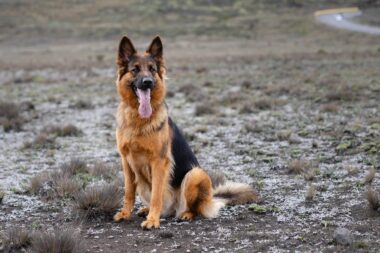
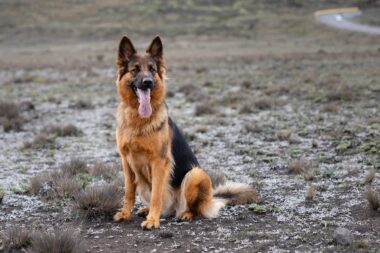
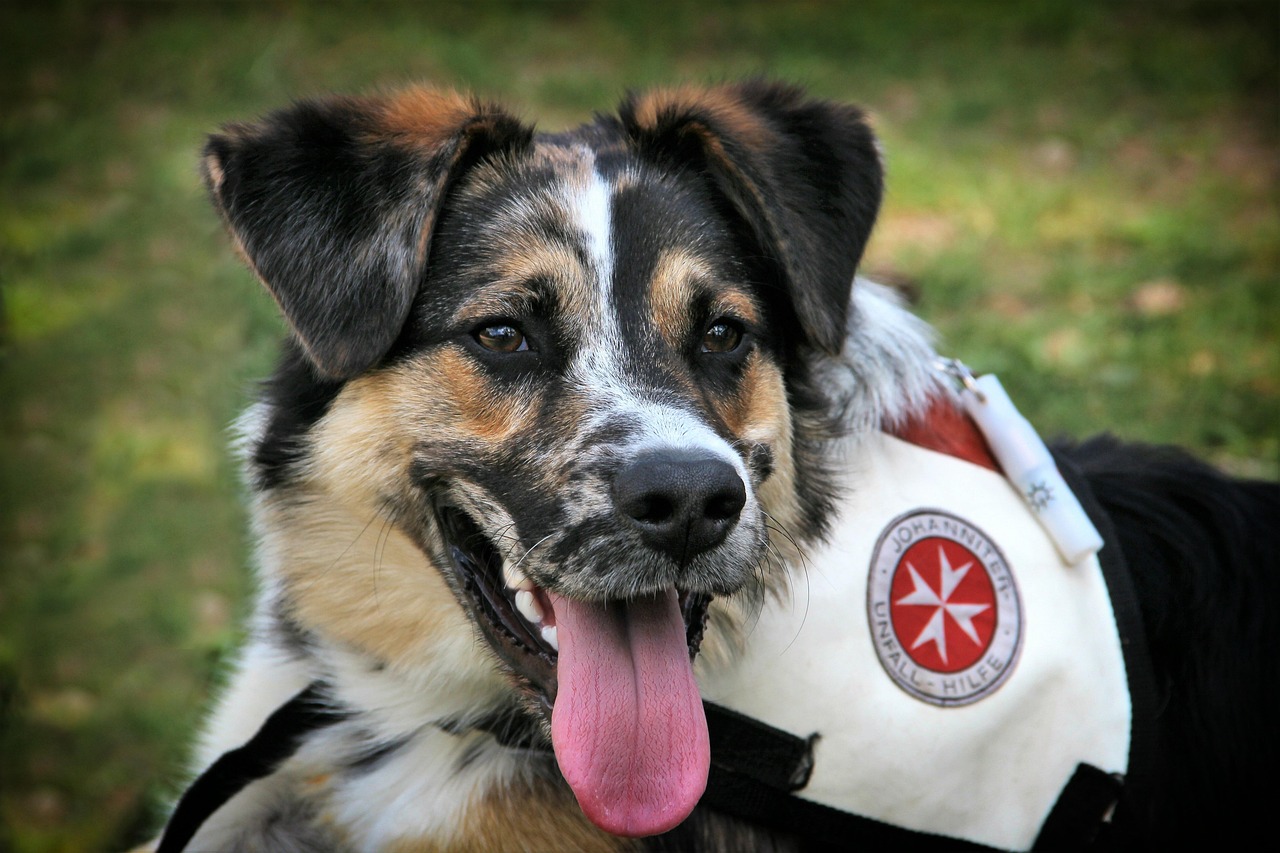
When comparing rescue and protection dog training, it is essential to understand the overarching goals of each technique. Rescue dogs are typically trained to assist in locating missing persons, often in disaster situations or challenging environments. Their training emphasizes search techniques and the ability to navigate diverse landscapes, including urban, forest, or mountainous areas. These dogs must be capable of following scent trails, often for long durations. Protection dogs, on the other hand, are specifically trained to safeguard their owners and property. This involves a distinctive set of skills, including obedience, confrontation techniques, and assessment of threats. Unlike rescue dogs, protection dogs are often trained to react swiftly and decisively in threatening situations. Training for protection involves socialization to ensure they can distinguish between normal and suspicious behavior. As such, specialized equipment, such as bite sleeves and training aids, is frequently employed during training sessions. While both types utilize obedience training, their core functions diverge significantly, with rescue focusing on assistance and protection emphasizing security. Understanding these distinctions allows dog owners to select the training that aligns best with their needs.
Core Training Techniques
The training techniques for rescue and protection dogs differ significantly due to the unique roles they serve. Rescue dogs are usually trained through a combination of scent detection and retrieval tasks, which enable them to perform searches effectively. These dogs undergo rigorous training exercises that simulate real-life scenarios, pushing their physical endurance and mental acuity. Regular exposure to varied environments is crucial for developing a dog’s ability to adapt quickly. Positive reinforcement is central to this training approach, enhancing the dog’s confidence and capability. For protection dogs, the focus shifts to deterrent behaviors and protective instincts. This type of training includes controlled aggression and bite work, allowing the dog to respond appropriately to threats while remaining obedient to commands. Training often takes place in multiple settings to mimic real-life situations where a threat may occur. Key aspects, such as socialization with both people and other dogs, are crucial for a balanced temperament. Owners should engage professional trainers experienced in protection work to ensure that the dog is both safe and effective. Training should also prioritize the bond between the dog and handler to ensure optimal performance.
The importance of handler involvement cannot be overstated in both types of training. In rescue training, the bond between the handler and dog empowers the team to function effectively under pressure. Handlers must learn to read their dogs’ behavior and to respond appreciatively to their instincts. This connection fosters trust, which is vital in a high-stress environment. Similarly, for protection dogs, the handler plays a crucial role in reinforcing behavior. The relationship between the dog and its handler profoundly impacts the dog’s performance in protective situations. This bond is strengthened through compliance and affirmation, ensuring that the dog acts primarily based on its handler’s cues. Joint training exercises can help facilitate this relationship by allowing handlers to engage actively with their pets. Moreover, a successful protection dog must be socialized correctly to avoid becoming overly aggressive. This training demands a delicate balance of assertiveness and encouragement. As handlers practice various commands and scenarios, dogs learn what’s expected of them, increasing their confidence and effectiveness. Such partnerships often become powerful tools in their respective fields, highlighting the importance of thorough training and mutual respect.
Health and Wellness Considerations
Health and wellness are critical aspects of both rescue and protection dog training that should not be overlooked. Dogs engaged in rescue missions often encounter physically demanding situations, which can lead to stress or fatigue. Ensuring proper nutrition is paramount since it helps maintain their energy levels and overall performance. Regular health check-ups are vital to monitor and maintain the dog’s physical condition, allowing for an extended career in their respective fields. Likewise, protection dogs must also receive appropriate health care; an unhealthy dog is ineffective at its job. These dogs require specific dietary plans that account for their energy output and physical exertion. Owners or trainers must be vigilant about monitoring signs of stress or injury, as any physical discrepancy can hinder the dog’s training and function. Additionally, mental well-being is just as important. Engaging in activities that stimulate the dog’s cognitive abilities can improve focus and reduce anxiety during stress-inducing scenarios. Implementing a structured routine enhances the dog’s overall well-being while fostering a reliable team dynamic. Balanced attention to both mental and physical health is essential for a successful training experience.
Furthermore, environmental factors can also significantly affect the training and performance of rescue and protection dogs. Working in a variety of settings, from urban to rural landscapes, proves essential for both types of dogs. Exposure to different environments helps develop a dog’s adaptability and problem-solving skills. Rescue dogs may encounter unique challenges, such as navigating rough terrains or dealing with loud noises from crowds. Protection dogs, conversely, may be trained to assess threats in busy streets or crowded areas. Both types of training must account for distractions that may arise in these environments. Additionally, factors such as weather conditions can impact both training procedures and performance outcomes. Ensuring that dogs are acclimatized to different conditions can help prepare them for real-life scenarios. Customized training plans often include progressive exposure to varying elements, enabling dogs to maintain focus regardless of external stimuli. It’s also imperative for trainers to remain aware of any changes in the dog’s behavior, as these can indicate underlying stressors that need addressing. Performing in different environments strengthens a dog’s skills and bolsters their confidence as they prepare for their specific roles.
Certification and Professionalism
For individuals considering training dogs in rescue or protection roles, certifications and professionalism play important roles in the process. Most reputable training programs offer certification, providing validation that a dog has demonstrated specific skills and behaviors. This certification is often crucial for rescue dogs, as it ensures that handlers and organizations can trust their capabilities during emergencies. Furthermore, while many trainers operate independently, selecting a facility with recognized credentials can make a significant difference. These facilities often follow established protocols and best practices in training. The benefit of professional training extends beyond just certification; it fosters a structured environment where dogs receive consistent instruction and socialization. Certification programs for protection dogs also exist, focusing on assessing the dog’s temperament and behavior in different training scenarios. Handlers should seek trainers who emphasize humane methods compliant with animal welfare standards. Consistency in training methods and ethical practices ultimately leads to the development of reliable dogs. Engaging reputable trainers ensures a successful outcome, allowing the dog and handler to work harmoniously. Investing time and effort into seeking proper training can yield long-lasting benefits for both dog and handler.
In summary, while there may be considerable overlap in obedience training between rescue and protection dog modalities, numerous distinctions set them apart. Learning these variations is essential for dog owners to select the appropriate training paths. The understanding of each dog’s purpose will shape the training requirements and goals. Consequently, adopting realistic expectations for each type of dog ensures that their potential is maximized. Rescue dogs rely heavily on instinct and are trained in environments aimed at honing their search capabilities, while protection dogs focus on security and defense. Each requires specific training methods designed for their respective roles, emphasizing distinct skills. The commitment of handlers significantly influences the dog’s readiness and performance in their designated areas. Health and environmental conditions must also be considered when training dogs. Professional trainers can lead both handlers and dogs to success through certification and consistent methodologies. Committing to ongoing education for both owners and their dogs can strengthen these partnerships while maximizing overall effectiveness. Ultimately, understanding the nuances of rescue and protection dog training fosters a deeper appreciation of their vital roles in society.
Therefore, as people evaluate the paths of rescue and protection dog training, recognizing their distinct objectives is crucial. These dogs serve significant roles, often saving lives or ensuring safety. The reward of assisting in training these canines is well worth the investment for both handlers and dogs alike.