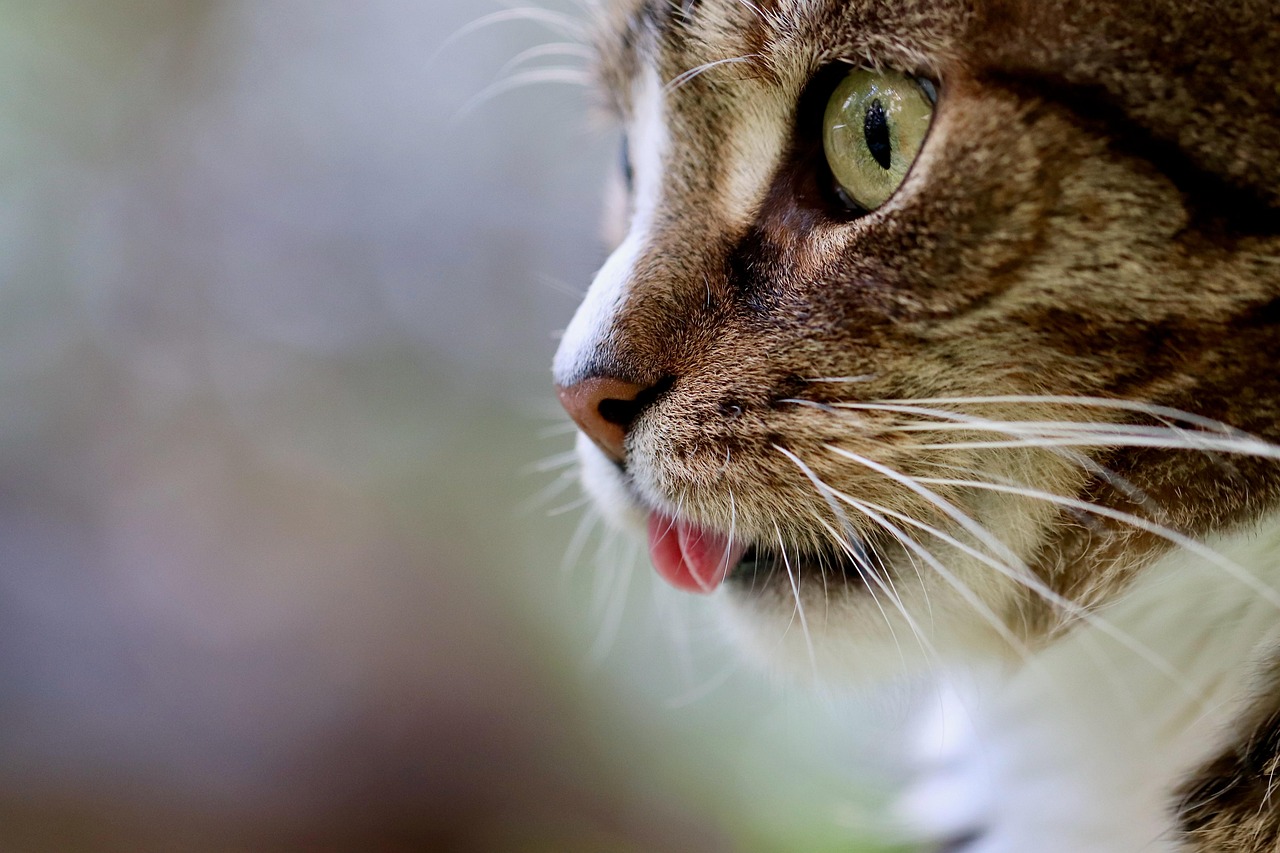

The Psychology Behind Cats Following Their Owners Everywhere
Cats are known for their mysterious behaviors, one of which includes following their owners around the house. This behavior can often perplex cat owners wondering why their feline companions are so attached. One major reason cats follow their owners might be rooted in a social attachment much like those seen in dogs. Unlike the independent stereotype often associated with cats, many felines exhibit strong attachment behaviors towards their human companions. They may see their owners as a source of comfort, security, and companionship. The cat’s following behavior often reflects its deep sense of trust and establishes a strong bond between the cat and its owner. Additionally, following can be an expression of curiosity about their owners’ activities. Cats are intrinsically curious creatures, and part of their exploration involves monitoring their owner’s actions. They want to be part of their environment and often desire participation in daily routines or activities that humans undertake. This attachment showcases their affectionate nature, revealing that domesticated cats are not only solitary hunters but also affectionate companions seeking human interaction.
Another reason why cats may follow their owners closely involves their instinctual behaviors stemming from natural predation and social structures. In the wild, cats may rely on their family units for hunting, learning, and survival. This leads to the development of strong social bonds among feline families, which can be mirrored in domestic life, especially when cats live harmoniously with their owners. By following their humans around, cats are replicating this social behavior, establishing themselves as part of a unit or family. Furthermore, many domestic cats depend on their owners for nourishment and care, leading them to feel a need to stay close. They recognize their owners as the primary source of food, comfort, and safety. This relationship fosters an instinctual need for closeness that can reinforce the bond between a cat and its owner. A cat’s decision to follow may also stem from its desire for play and stimulation. By staying close to their humans, they hope to engage in play and interactive behaviors that can enhance their overall well-being and physical exercise.
Following as a Sign of Affection
A commonly accepted notion is that when a cat follows you, it signals affection and loyalty. This behavior can be likened to how dogs express their feelings towards their humans. While certain breeds might show affection more overtly, many cats enjoy expressing affection in their unique ways. For instance, following can serve as a signal that your cat values your company and wants to spend time together. Cats have their own language, and this behavior is one of their means of communication. They might be subtly indicating that they trust you, highlighting a strong emotional bond. Moreover, following can signify that they are seeking reassurance and comfort from their human companions. Just like humans need emotional securities, cats also seek out those feelings of safety that come from being near their trusted humans. The act of being followed is not merely a habitual behavior; it is an essential affirmation of the emotional connection that exists between humans and their feline friends. Understanding these signals can enhance your relationship, making it clear your cat appreciates your presence.
Inscribing affection extends beyond mere following; it envelops various forms of body language as well. The way a cat interacts with their owner is crucial in understanding their emotional landscape. Common indicators of affection include purring, kneading, and head-butting. When a cat purrs while following you, it signifies comfort and a sense of well-being. Kneading, or making biscuits, usually occurs when a cat feels safe and happy. Cats also communicate affection through physical touch, seeking closeness and interaction with their owners. A cat nudging or rubbing its head against you is their way of marking you with their scent, indicating ownership and emotional attachment. Furthermore, some cats may vocalize, meowing or chirping, to engage their owners, underscoring their need for attention or interaction. The way they follow you can vary according to their comfort level, age, and even personality. Remember, as a cat owner, your response to these behaviors influences the depth of your relationship. Showing affection in return builds trust, encouraging more open expressions of love in your cat.
The Role of Environment
The surroundings in which your cat resides can significantly influence how much they follow you. Cats are creatures of habit; their environment often plays a large role in shaping their behavior. If they feel secure and comfortable in their surroundings, it is more likely that they will venture out and follow their owner. In contrast, if an environment is stressful, filled with loud noises, strangers, or unfamiliar pets, cats may choose to remain in hiding rather than follow. Their instinct encourages them to protect themselves first, leading to less follow behavior. Furthermore, the layout of your home plays into their tendency to roam close by – cats thrive in spaces designed for climbing or exploring, enabling them to keep an eye on things from a safe distance. Enriching their environment with cat trees, cozy spots, and hiding places can motivate your feline friend to feel secure enough to engage with you more closely. Environments that promote exploration are essential in fostering a relationship where following becomes a natural and affectionate behavior.
Age and health also considerably impact how and whether cats follow their owners. Kittens, full of energy and curiosity, tend to follow quite diligently, often mimicking their mother’s behavior and wanting to learn everything about their world. As cats mature into adulthood, their following behavior may reduce slightly; however, many still exhibit attachment. In older cats, health concerns can greatly affect their willingness or ability to follow. For instance, if a cat experiences pain from arthritis, it may limit their movements and desire to pursue their owner throughout the home. Likewise, if a cat is unwell, they may seek out their caregiver for comfort but do so from a distance, staying in a favorite cozy spot. Understanding the nuances of a cat’s lifespan can help owners know when to adjust their interactions and environment to cater to their pet’s evolving needs. Being attentive to the changes in their following behavior can help identify health issues, ensuring that a cat maintains a loving and supportive relationship with their owner throughout their life.
Conclusion: Understanding Your Cat
Ultimately, understanding why cats follow their owners involves a combination of instinctual behavior, social bonding, and individual personality traits. Each cat possesses a unique personality shaped by their breed, upbringing, and experiences. Recognizing the signs of affection and understanding the reasons behind their following behavior can foster a more enriching relationship. By taking the time to interact with your cat, you nurture the bond and ensure they feel secure and loved. Additionally, attentive observation of their behaviors can provide insights into their well-being and indicate any changes in their health or emotional state. Every cat has its own quirks and ways of showing love, and learning to see these nuances leads to a better pet owner experience. Ultimately, when your cat follows you, cherish this behavior as an invaluable affirmation of their affection. Cats follow us not merely out of necessity but also out of their deep-seated love and connection developed over time. By appreciating this bond, we enrich our lives as much as they enrich theirs.