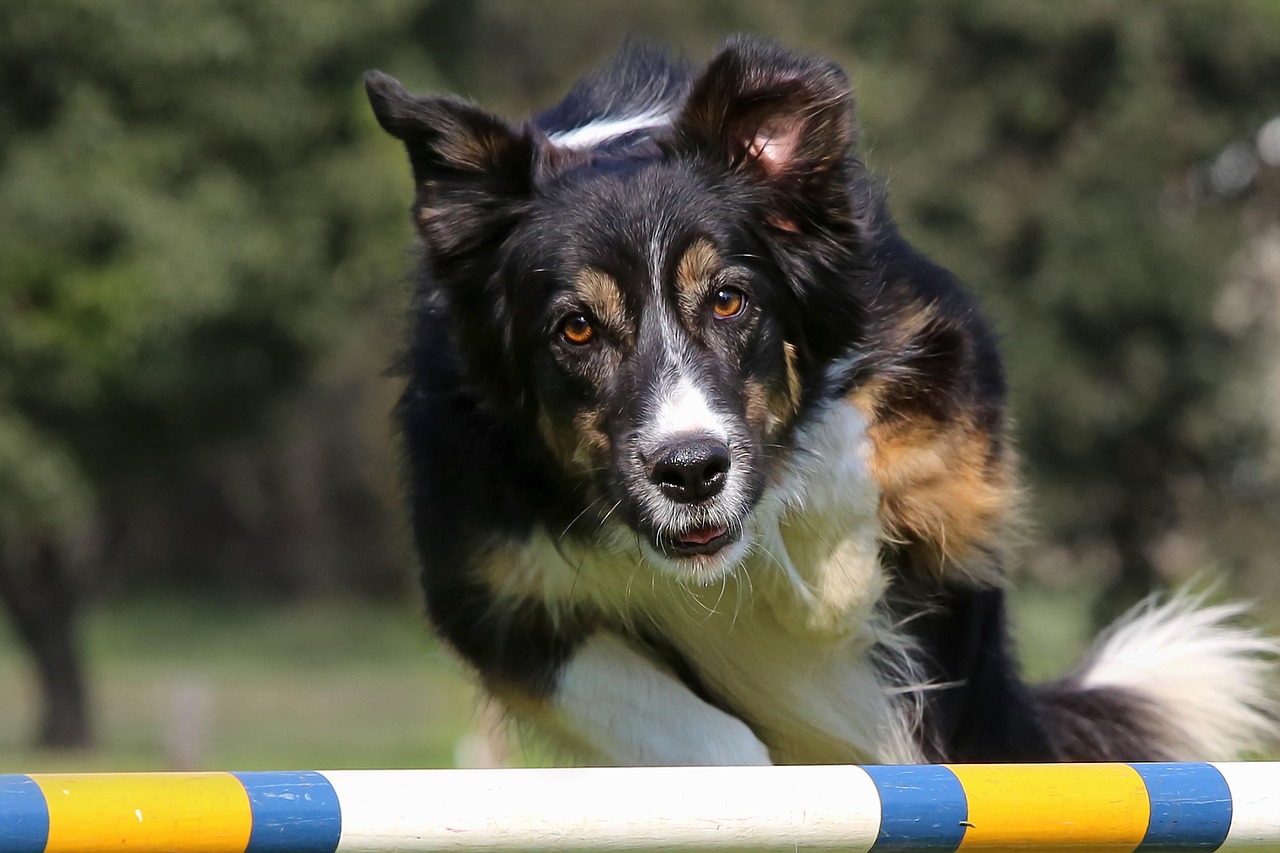

Training Techniques for Stubborn Dogs That Love to Jump
Jumping can be a frustrating behavior exhibited by many dogs, particularly those that are stubborn in nature. Understanding why your dog jumps is essential for addressing this issue effectively. Dogs often jump due to excitement, anxiety, or even seeking attention from their owners. When they jump, they may find that it elicits a reaction, positive or negative, from their human companions. Hence, training becomes an important aspect of managing this behavior. Several techniques can be applied to train your stubborn dog to minimize or eliminate jumping. Employing consistent commands, reward systems, and patience will prove crucial in your training regimen. Furthermore, it is vital to determine the particular triggers that prompt your dog’s jumping behavior. These triggers can vary among individual dogs, and addressing them will provide a tailored approach to training. Remember that patience is key; both you and your dog benefit from a calm and encouraging environment. Throughout the training process, always remember to keep it positive, reinforcing your dog’s good behaviors rather than solely focusing on negative actions. With time and dedication, your dog can learn to jump less and behave more appropriately.
Once you have a deeper understanding of the reasons behind your dog’s jumping behavior, it’s time to implement effective training techniques. One of the most successful approaches involves limiting your dog’s jumping opportunity by establishing clear boundaries. For instance, when your dog attempts to jump on people, consistent commands such as “off” or “down” should be used. Additionally, ensure you repeat these commands consistently every time your dog jumps. If your dog jumps when excited, consider redirecting that energy into more appropriate activities. For example, you could engage your dog with fetch or other play activities to redirect their focus. Positive reinforcement plays a major role throughout this training process. Whenever your dog remains calm and does not attempt to jump, provide verbal praise or treats. These rewards can help reinforce good behavior, encouraging your dog to behave this way in the future. Also, consider practicing this behavior in controlled environments, gradually introducing distractions, to ensure your dog learns to respond positively in various situations. Remember that gradual progression is essential for success; always work at your dog’s pace to ensure they retain what they learn.
Implementing Consistent Commands
Utilizing clear and consistent commands is crucial for curbing jumping behavior in dogs. Each command should be simple, specific, and easily recognizable by your dog. Commands such as “stay,” “sit,” or “down” can be effective in redirecting your dog’s jumping urges. When utilizing these commands, ensure that you practice them regularly at home and during outings. Reinforcing these commands in various settings will improve your dog’s situational awareness and response. Consistency is key, so make sure that everyone in your household understands and uses the same commands. This prevents confusion for your dog and assists with their training progress. When your dog jumps up, promptly give the command to stop. Reward them immediately if they obey, reinforcing the message that staying grounded is the desired behavior. If they continue to jump, remain patient and persistent. Training takes time, and dogs often need multiple reminders before they fully understand what is expected of them. As they show improvement with your commands, increase the level of distraction during practice sessions, allowing your dog to learn proper behavior in more challenging environments.
Another productive method focuses on socialization with other dogs and people. Regular exposure to a variety of situations helps your dog learn appropriate behavior cues. You can prioritize controlled meet-and-greet scenarios where your dog meets new individuals or animals. During these introductions, encourage calm behavior by reinforcing positive responses with treats or praise. If your dog jumps, calmly redirect them back to the ground while instructing them to sit or stay. This practice helps limit jumping while encouraging sociable behavior. Moreover, utilizing phases of play and downtime can teach your dog when to be active and when to relax. It’s also beneficial to incorporate practice sessions into your daily routine, where you ask your dog to remain grounded during normal activities such as family time or during mealtime. Establishing these expectations can strengthen your dog’s understanding, leading to more acceptable behavior. Frequent training sessions, combined with positive reinforcement and socialization experiences, will yield impressive results over time. In addition, your dog will become more confident in interacting appropriately with both other pets and people.
Harnessing Energy in a Positive Manner
Channeling your dog’s energy into constructive activities is an excellent way to diminish jumping. Dogs, especially those with higher energy levels, often resort to jumping as a way to expel pent-up energy. Recognizing and accommodating their physical and mental stimulation needs can significantly impact their behavior. Begin by engaging in daily walks, runs, or play sessions that allow for structured activities. Activities that challenge your dog mentally, such as puzzle toys or obedience training, can further divert their attention away from imprudent jumping. Regular exercise not only helps your dog release excess energy but also fortifies their overall physical health, which can lead to more balanced behavior. Additionally, teaching new tricks or commands during these play sessions reinforces your dog’s learning and builds their focus. Incorporate varying exercises and games to keep their interest alive, ensuring your sessions remain fun and rewarding. Keep in mind, boredom can lead to unwanted behaviors, so constantly seek new activities to implement. Dogs thrive on variety and stimulation, making this approach an invaluable tool in your jumping behavior management efforts.
As your training progresses, tracking and monitoring your dog’s jumping behavior can enhance your overall approach. By noting specific instances of jumping, you can identify patterns or triggers related to their jumping. Keeping a simple log can help analyze how they respond to different commands or training methods. This kind of documentation becomes vital in adjusting your techniques if necessary. You can further collaborate with a professional dog trainer if you feel that your methods require refinement. Professional trainers often bring added experience and techniques that can streamline your training process. They can assess your dog’s behavior more keenly and provide insights that might be overlooked. Additionally, involving your dog in group training classes can offer socialization benefits while learning alongside other canines. This experience may improve their focus and behavior in a structured environment. Gaining access to expert feedback can significantly transform your training efforts. Ultimately, tracking and collaborating with professionals can create a stronger training foundation for your dog, enabling them to absorb commands and guidance more effectively while understanding the boundaries of their play.
Maintaining Consistency and Patience
In conclusion, managing a stubborn dog that loves to jump requires a multifaceted approach that emphasizes consistency, patience, and understanding. Always reinforce good behavior with positive praise and treats, focusing on rewarding your dog when they comply. Engage them in consistent training while gradually exposing them to various distractions. Remain transparent with your commands and incorporate regular structured exercise into their lives. Socialization is essential as well. Ensure you create controlled environments that promote interaction without unnecessary jumping. Keep in mind that every dog is different, and what works might take time to implement. Remember to adapt your techniques and strategies according to your dog’s unique needs. Patience is paramount; some days may be more challenging without evident progress. However, every small victory contributes to long-term success. Consistent methodologies and positive reinforcement ensure that stubborn dogs learn what behaviors are appropriate over time. Emphasizing the importance of calm, reassuring interactions in your training sessions creates trust and reinforces your dog. With commitment and dedication, you can teach your dog to minimize jumping, reinforcing positive behavior and enjoying a wonderful bond.
Ultimately, the journey of training a jumping dog can be filled with challenges but also immense rewards. Seeing your once over-excited dog transform into a well-behaved companion is gratifying and enhances your relationship. Familiarize yourself with various training resources, techniques, and advice to enhance your experience. The knowledge gained can help you navigate any obstacles. Engaging in open discussions in dog owner communities or online forums may provide additional insights to refine your approach. Always remember that patience and love go hand-in-hand in training a dog successfully. Positive reinforcement solidifies your dog’s behavioral changes and deepens your connection. Ultimately, your dedication to understanding and managing your dog’s jumping behavior paves the way for a more harmonious and joyful relationship. By taking the time to train effectively, you’re not just improving your dog’s behavior but also enhancing their life. A well-trained dog is often happier and more fulfilled, leading to a positive experience for both ends of the leash. Don’t forget that each dog is unique, so take the time to discover what techniques resonate best with your furry friend.